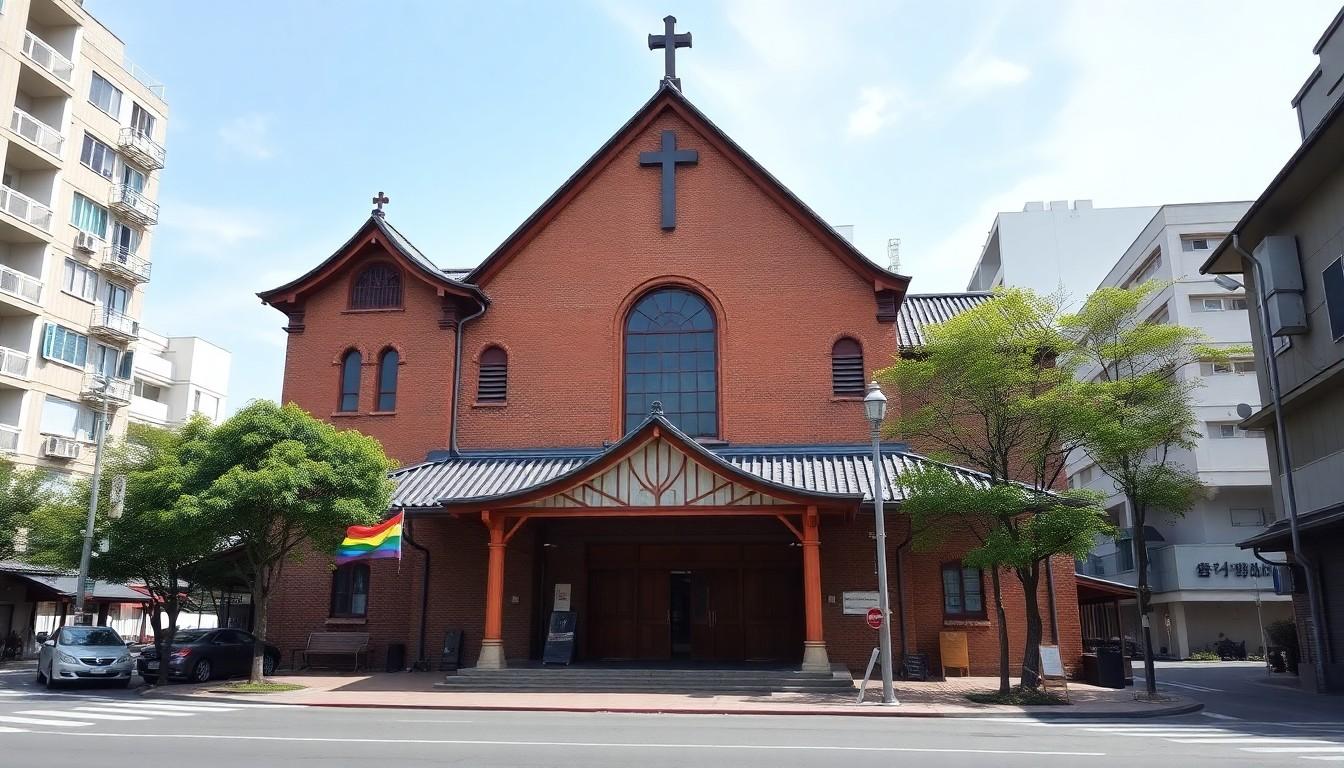
Shoppers and citizens are noticing a fresh push: Japan’s government has unveiled a 2026 plan to promote awareness of LGBT-identifying people, and Tokyo’s newly elevated Cardinal Isao Kikuchi has publicly welcomed the move , a development that matters for schools, workplaces and communities navigating inclusion in a still-conservative legal landscape.
Essential takeaways
- Government action: Japan’s 2026 plan will produce leaflets, training videos and core guidelines for schools, businesses and local governments.
- Schools targeted: Teachers will be trained to prevent bullying and to handle issues around sexual orientation and gender identity sensitively.
- Workplace focus: Guidance aims to curb insults, harassment and non-consensual “outing,” creating more welcoming staff environments.
- Church reaction: Cardinal Isao Kikuchi praised the policy as a step toward deeper understanding, while stopping short of reframing Catholic moral teaching.
- Public mood: Social acceptance in Japan is high despite the lack of same-sex marriage laws; policy changes matter practically even without legal marriage recognition.
What the 2026 plan actually says , and what you’ll see locally
Japan’s new campaign is practical and visual: expect leaflets, training videos and official guidelines that local councils, schools and firms can use. The materials are designed to build baseline knowledge about sexual orientation and gender identity, not to offer theology or legal reform.
This isn’t a sudden flash in the pan; it follows the 2023 LGBT Understanding Promotion Act and represents a move from general principle to actionable public education. For parents and teachers, that means clearer curricular guidance and resources to tackle bullying. For HR teams, it means model policies and training to reduce workplace discrimination.
If you’re a teacher or manager, keep an eye on how the materials define terms and handle consent , they’ll set the tone for training sessions and everyday practice.
Why Cardinal Isao Kikuchi’s reaction matters
Cardinal Kikuchi, the archbishop of Tokyo recently raised to the rank of cardinal, welcomed the government’s stated aim to deepen understanding of sexual minorities. His comments were framed around pastoral concern: an inclusive approach can be a first step toward building the kind of community the Church seeks.
That reaction is significant because the Catholic Church still teaches that homosexual acts are morally problematic; yet a local church leader expressing the value of understanding signals a pastoral tone that can soften social tensions. For Catholics and non-Catholics alike, it’s a reminder that faith leaders can engage with public policy without rewriting doctrine.
Expect more nuance from church statements going forward , they often balance doctrinal continuity with pastoral outreach.
How this fits into Japan’s legal and cultural picture
Japan remains one of the developed countries that hasn’t legalised same-sex marriage, and courts have given mixed signals about the constitutionality of the ban. At the same time, public opinion looks different: surveys suggest a majority of the Japanese public supports same-sex marriage, making legal stasis more a political than a popular phenomenon.
So the new awareness plan is meaningful even without marriage reform. Education and workplace measures affect everyday life , from schoolyard safety to whether an employee can be open about their partner at work.
If you’re following the issue, watch local councils and prefectures for how quickly they adopt and adapt the national materials.
Practical tips for parents, teachers and employers
If you’re a parent: ask your child’s school what training teachers will receive and how the curriculum will address bullying and privacy. A calm conversation now beats confusion later.
If you’re a teacher: look for model lesson plans and privacy protocols in the new materials; small changes in language and classroom rules can reduce incidents of harassment.
If you’re an employer: update anti-harassment policies to explicitly cover insults, outing and privacy breaches, and provide staff training that’s practical and scenario-based.
In short, preparation and clear communication will help institutions turn national guidance into safer, everyday practice.
What’s next , politics, culture and the slow grind of change
This campaign is an incremental step rather than a headline legal reform. Politicians who oppose same-sex marriage remain influential, and courts have limited power to overturn laws. Still, educational campaigns can shape attitudes over time, and attitudes shape politics.
Expect debate: some will welcome the guidance as protective and humane, others will push back on perceived cultural shifts. How local governments implement the plan will show whether this is a symbolic gesture or a spur to real change.
It’s a small, practical move that could have outsized effects on daily life.
It's a small change that can make every school, workplace and neighbourhood safer.
Source Reference Map
Story idea inspired by: [1]
Sources by paragraph: