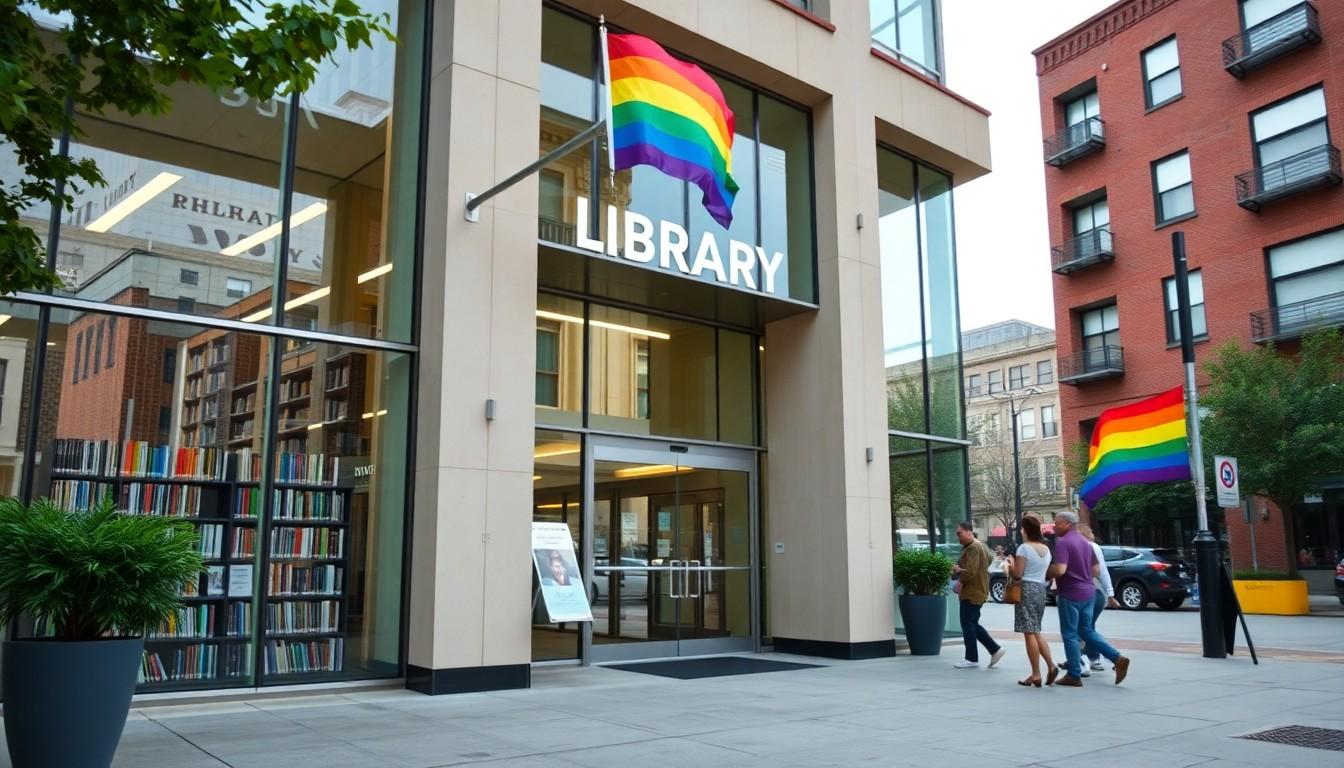
Browse any queer bookshop and you’ll find the same titles resurfacing, readers are rediscovering classics that shaped LGBTQ+ stories, from Gothic sapphic vampires to tender memoirs; here’s a lively, practical guide to ten books people talk about, why they matter, and how to start reading the canon.
Essential Takeaways
- Foundations matter: Many canonical titles introduced queer themes subtly due to censorship, so atmosphere and subtext are often as important as explicit representation.
- Diverse voices: The canon spans Victorian gothic, mid-century realism, Black queer stories, and graphic memoir, offering different perspectives and textures.
- Cultural ripple effects: Film, theatre and music have repeatedly revived these books, making them easier to find and discuss with friends.
- Reading tips: Start with what appeals, horror, memoir, or romance, and treat re-reads as discovery; context adds layers.
- Sensory note: Expect varied tones, moody and atmospheric (soft candlelight vibes), raw and intimate (close, confessional), or witty and barbed.
Why Carmilla still haunts queer readers today
Carmilla predates Dracula and quietly set the template for the sapphic vampire: intimate, eerie and coded. The novella’s languid atmosphere feels cool and shadowy, and you can sense the attraction in every furtive line. According to background material on the story’s origins, Sheridan Le Fanu’s work circulated at a time when same-sex desire had to be suggested rather than declared, which makes reading it today a game of detective work as much as pleasure. If you like queer horror or gothic romance, Carmilla is short, sharp and shockingly modern in its emotional reach. Practical tip: treat it as an evening read, dim the lights, put on a moody playlist, and let the subtext do the heavy lifting.
Oscar Wilde’s Dorian Gray: subtext and decadence
The Picture of Dorian Gray is about beauty, obsession and secrets, all of which have kept it in queer conversation for more than a century. Wilde’s novel doesn’t state same-sex relationships outright, but the longing and sensuality are thick in the prose, think velvet and perfume rather than blunt confession. Context helps here: the book was published into an atmosphere of Victorian repression, and knowing Wilde’s life sharpens the emotional edge. It’s an elegant, unnerving read that rewards attention to subtle gestures and coded desire. Practical insight: if you find Victorian prose heavy, seek a modern annotated edition that explains historical references and contemporary reactions.
The Well of Loneliness: censorship and visibility
Radclyffe Hall’s The Well of Loneliness became famous not just for its subject but for how the state reacted; its legal battles turned it into a touchstone for discussions about censorship and queer visibility. The novel’s tone is earnest and pleading, offering readers a portrait of lesbian identity at a moment when publishing often refused to acknowledge such lives. That fraught publication history is part of the book’s power: it forced public debate and made the case that queer stories deserved space in the public sphere. For readers, it’s a reminder that literature can be both art and activism. Reading tip: approach it with patience, the novel’s emotional sincerity is its strength, even if the prose sometimes reads didactic to modern eyes.
Giovanni’s Room: Baldwin’s devastating intimacy
James Baldwin’s Giovanni’s Room is short, intense and heartbreakingly precise about shame and desire. The novel’s focus surprised some readers when it was published, because Baldwin chose to centre a story that didn’t foreground race in the way many expected. That choice deepened the novel’s examination of identity, loneliness and the cost of hiding love. It’s a book that sits in the chest, quietly painful and impossible to forget. If you want to understand mid-century debates around queer life and literary daring, this is a must-read. How to read it: mark passages that land for you; Baldwin’s lines often sting on a second or third revisit.
The Color Purple: tenderness and survival
Alice Walker’s The Color Purple reaches across family, faith and erotic tenderness, with Celie and Shug’s relationship at its emotional centre. The novel’s voice is immediate and earthy, offering warmth and sorrow in equal measure; that blend is why it resonated so widely and later blossomed into film and stage adaptations. The book broadened what queer stories could portray, especially within Black communities, and its impact extends far beyond the LGBT shelf. If you want fierce humanity with lyrical moments, this is the one to pick up. Reader advice: watch or listen to an interview with Walker after finishing, the context enriches many of the novel’s choices.
The Gilda Stories: reimagining the vampire through Black queer life
Jewelle Gomez reframed the vampire myth as a vehicle for centuries of Black queer experience, travelling from slavery-era America into modernity with a lesbian protagonist at the centre. The result is speculative and elegiac, with a slow-burning political intelligence beneath the supernatural trappings. For readers tired of stereotypical gothic tropes, Gilda feels fresh: it’s intimate, historically aware and quietly fierce. It also demonstrates how genre can carry activism and memory. Practical note: treat it as history-meets-fable, pay attention to the historical touchstones threaded through Gilda’s long life.
Invisible Life and the business of representation
E. Lynn Harris’s Invisible Life changed publishing by proving there was a hungry audience for stories about Black gay men. After self-publishing, Harris became a bestseller and opened doors for other writers, showing that publishers underestimate readers when it comes to queer stories. The novel’s candour and accessible style made it a conversation starter and a comfort read for many who’d felt unseen. If you want a book that helped shift the market as much as told a story, start here. Tip for new readers: expect frank, contemporary dialogue and a pace that keeps you turning pages.
B-Boy Blues: love, rhythm and Black gay romance
James Earl Hardy’s B-Boy Blues offered a Black gay love story that balanced humour, tenderness and realism at a time when many narratives stopped at trauma. It’s romantic without being saccharine, and it treats everyday desires and small victories as worth writing about. Its cultural afterlife, including adaptation, shows how stories that treat queer love as ordinary can feel revolutionary. For readers seeking warmth and authenticity, this series rewards commitment. How to approach it: read as part of a series for fuller character payoff.
Fun Home: memoir, maps and family secrets
Alison Bechdel’s Fun Home pushed the graphic memoir into literary prominence, combining sharp intellect with intimate drawings. The book’s textures, inked panels, clipped details, confessed longings, create a form of reading that’s both visual and intensely personal. Its success on stage and in classrooms shows how memoir can shape public conversation about sexuality and family. If you’re curious about form as much as story, Fun Home demonstrates the power of comics to hold complex adult themes. Practical view: read slowly, and look back at panels, the art often carries subtext the words don’t.
Call Me by Your Name: first love and cultural reach
André Aciman’s novel captured a specific, aching type of first love that translated into a hugely successful film and, unexpectedly, into pop music references too. The book’s languid prose makes longing into a palpable, almost physical sensation, sunlight, peaches, summer heat. Its cultural ubiquity shows how a single story can become shorthand for a particular queer experience, bringing readers to both nostalgia and ache. If you want a book that’s become a cultural touchstone, this is the one most likely to make you speak in quotes. Reader tip: savour it slowly, Aciman’s sentences are designed to be tasted.
It's a small reading list, but each title opens a different door, pick one that matches your mood and let it lead you to the next.
Source Reference Map
Story idea inspired by: [1]
Sources by paragraph: