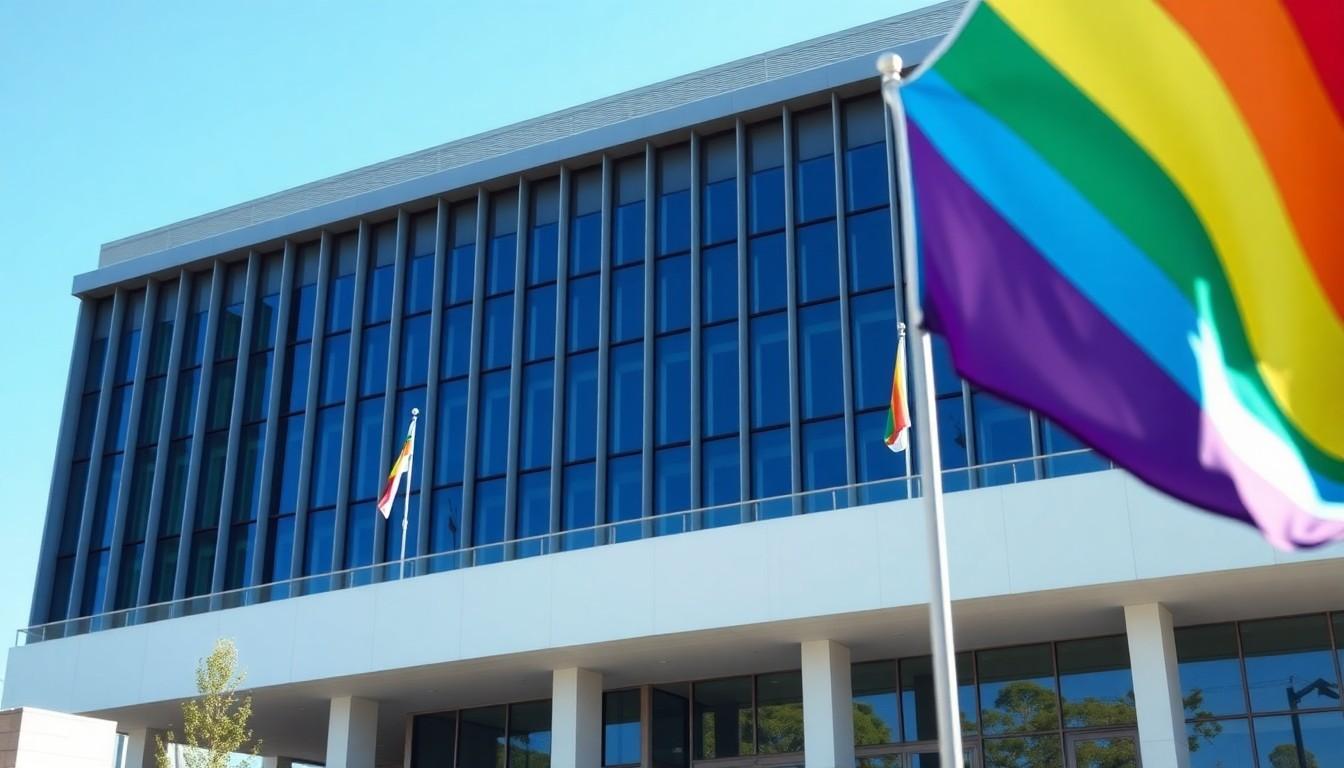
Shoppers of data are taking note: Australians were able to report sexual orientation and whether their gender differs from birth sex in the August 11 national census, a move that could reshape services, policy and visibility for LGBTQ+ communities across the country. Here's what changed, why it matters and how it compares overseas.
Essential Takeaways
- New optional items: Two optional census questions covered sexual orientation and gender identity for people aged 16 and over, with write-in options and “prefer not to answer.”
- Policy U-turn: The centre-left government reversed an earlier decision to omit the items after criticism from advocates and some Labor MPs.
- Practical impact: Better data can improve health, housing and social services planning, especially for marginalised groups.
- How it feels: Questions are designed to be inclusive but remain voluntary, so many will answer and some will not, responses may smell faintly of caution and trust.
- Global context: Britain, New Zealand and Canada recently added similar questions; the US census has been more limited.
What exactly was added to the census and who can answer it
The Australian Bureau of Statistics included two new optional items: one asking about sexual orientation and another about gender identity for anyone aged 16 and above. The sexual orientation question lets people pick straight, gay or lesbian, bisexual, don’t know, prefer not to answer or write a term in themselves. For gender identity, people who identify differently to their sex at birth can choose man, woman, nonbinary, prefer not to answer or supply another term. According to ABC reporting, these options aim for clarity and flexibility while respecting privacy and choice. If you value precise language, the write-in boxes are a practical win.
Why the government changed tack , politics, pressure and promise-keeping
This census is the first under the current Labor government since 2011, and it follows a high-profile reversal. In 2024 officials said they wouldn’t change the prior census questions to avoid “divisive” debate, but that stance shifted after backlash from LGBTQ+ advocates and some within Labor. Prime Minister Anthony Albanese later confirmed inclusion on radio, and the ABS said public consultation showed substantial interest in collecting these data. The episode shows how public pushback and political promise-making can sway policy, and it underlines that census content often becomes a referendum on social values.
What the data will do , from services to visibility
Collecting reliable numbers on sexual orientation and gender identity matters for real-world planning. Health services, mental‑health supports, aged care and homelessness programs can be better targeted when planners understand the size and distribution of LGBTQ+ populations. Researchers and community groups have argued for years that this evidence base is missing; Rainbow Health Australia and others submitted formal recommendations during topic reviews. While the questions are voluntary, even partial data will help spot unmet needs and regional patterns that were previously invisible.
Privacy, uptake and the practicalities of filling it in
The ABS expects around 85 per cent of forms online, a step up from 2021, with paper forms available on request and field staff assisting homeless and remote populations. The questions are optional precisely because some people don’t want to disclose intimate details, and the ABS emphasised that balance in its public messaging. If you’re filling in the form, think about who the data will help and whether you want to answer; the “prefer not to answer” choice is there for those who decide not to. Non-compliance with the census still carries fines, but the optional nature of these items protects personal autonomy.
How Australia compares internationally and what’s still missing
Australia joins a growing group of like-minded countries asking about gender and sexual orientation: Britain added similar items in 2021, New Zealand in 2023 and Canada more recently. Experts at the Australian National University noted that Australia had fallen behind peers on this front, and some advocates urged the census to go further by asking about intersex status. By contrast, the US 2020 census only offered male or female and didn’t explicitly ask about orientation, though same-sex relationships could be inferred from household relationship fields. The trend is clear: more countries are choosing to measure diversity directly, though the exact approach varies.
Closing line It’s a small but meaningful change , better questions bake better answers, and better answers make services and recognition follow.
Source Reference Map
Story idea inspired by: [1]
Sources by paragraph: