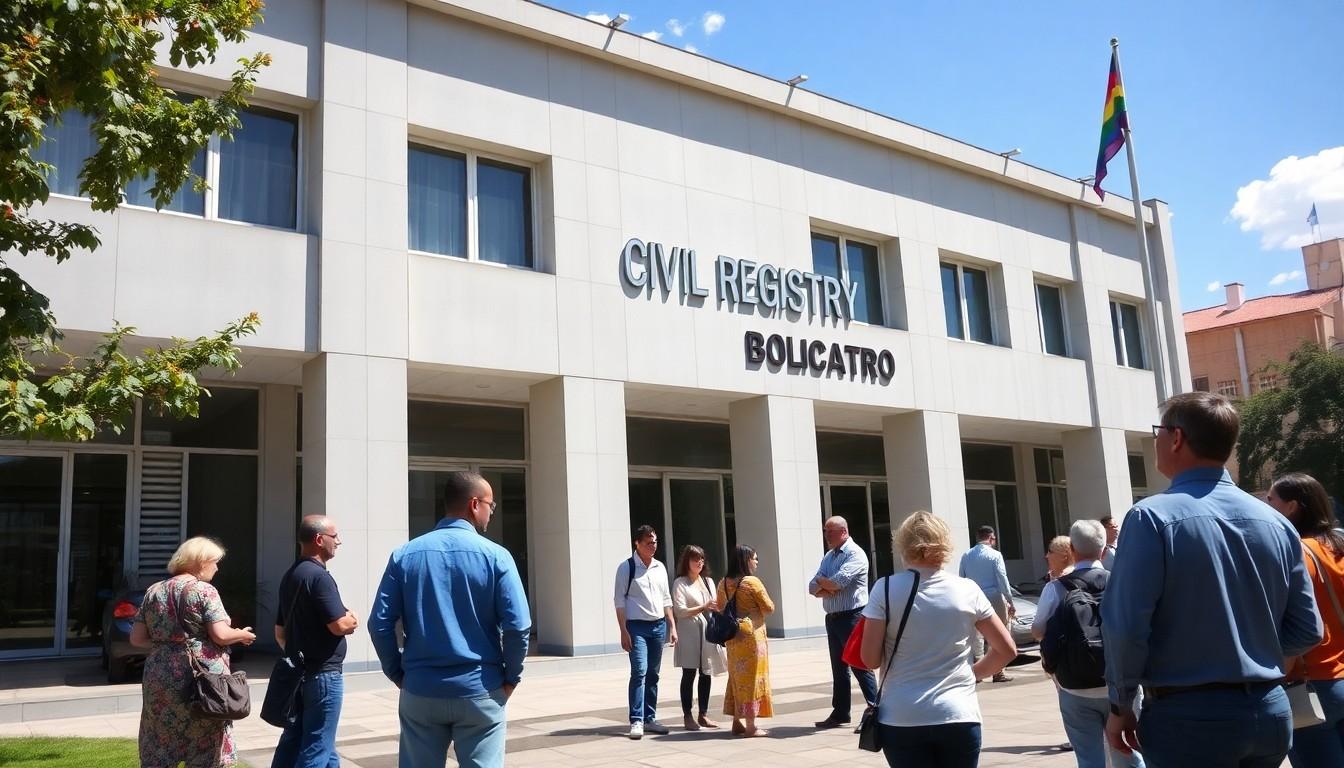
Celebrate: Bolivia has recorded its first civil marriage between two women after a nearly four‑year legal fight, a landmark moment for LGBTQ+ activists and couples who have long sought equal recognition in the country. Here’s what happened, why it matters, and what comes next for same‑sex unions in Bolivia.
Essential Takeaways
- Historic first: Fabiana Banzer and Scarlett Rocha became the first same‑sex couple to have a civil marriage officially recorded after a legal battle lasting three years and ten months.
- Court route, not law change: Their marriage was authorised by judicial injunctions in an individual case rather than through a change to Bolivia’s Constitution or national marriage laws.
- Constitutional limit remains: Article 63 still defines marriage as between a woman and a man, so same‑sex marriage is not yet generally legal nationwide.
- Precedent builds: Earlier rulings that recognised free unions for same‑sex couples have paved the way; dozens of unions have been registered since that decision.
- Practical impact: Marriage gives different social and legal standing compared with free unions, and activists see this as an important step toward broader reform.
A joyful milestone, achieved in court
The image of a couple finally able to register their marriage feels quietly powerful , a small, official stamp that recognises a life together. Fabiana Banzer announced on Facebook that after nearly four years of litigation she and Scarlett Rocha had their civil marriage recorded on 7 August, with legal backing from IGUAL Bolivia. Reports note the process began when they applied to marry in October 2022, and the victory followed a sequence of administrative challenges and constitutional injunctions.
This wasn’t a walk in the park. According to campaigners, the pair faced discrimination and bureaucratic resistance along the way, which is why the court route was necessary. Legal victories like this one have a cumulative effect: each case chips away at barriers and gives lawyers templates to cite in future challenges.
Why this isn’t the same as nationwide legalisation
It’s important to be clear: one couple’s court win isn’t the same as parliament changing the law. Article 63 of Bolivia’s Constitution still defines marriage as a union between a woman and a man, which means that same‑sex marriage hasn’t been legalised across the board. What happened here is an individual judicial authorisation , a recognised marriage for a particular couple, granted through the courts rather than by legislators amending statutes or the Constitution.
That distinction matters practically. Couples in other cities and departments may still need to pursue legal action to obtain the same recognition, which is costly, time‑consuming and emotionally exhausting. Campaigners will likely use this case as leverage in future litigation and public debate.
How this builds on earlier rulings and registrations
This decision sits on the shoulders of previous legal wins. In 2020, the courts recognised a free union for David Aruquipa and Guido Montaño, and Bolivia’s Plurinational Constitutional Court upheld that framework. Since then, dozens of same‑sex free unions have been registered, signalling a slow but meaningful shift in practice even without formal legislative change.
Activists and legal experts describe the progression as continuity rather than a sudden start: first the free unions were recognised, then civil marriage became possible via targeted court rulings. Each successful case reinforces the legal argument that the state must afford equal protection and recognition to same‑sex couples.
What activists and couples say , and what to expect next
Local LGBTQ+ and feminist groups celebrated Banzer and Rocha’s marriage while stressing the ongoing fight for equality. The transfeminist collective La Pesada Subversiva highlighted the discrimination and mistreatment the couple endured, noting that formal marriage carries a deeper social and legal status than a free union.
Expect strategic litigation to continue. Lawyers and rights groups are likely to bring more test cases to create stronger precedents, and public debate may intensify about whether the legislature should catch up with these judicial developments. Meanwhile, ordinary couples will weigh whether to pursue court recognition or wait for broader reform.
Practical takeaways for couples and supporters
If you’re a same‑sex couple in Bolivia considering legal recognition, know that two main paths exist: seek registration of a free union under existing court frameworks, or pursue a court challenge aimed at civil marriage , the second route can produce a landmark result but is tougher and costlier. Support organisations such as IGUAL Bolivia can provide legal help and guidance.
For allies and international observers, the case is a reminder that legal change often comes piecemeal: victories in the courts, shifts in administrative practice, and persistent activism can eventually push governments to reform statutes and constitutions.
It's a small but meaningful crack in the barriers many couples have faced , and one that could widen if momentum keeps building.
Source Reference Map
Story idea inspired by: [1]
Sources by paragraph: