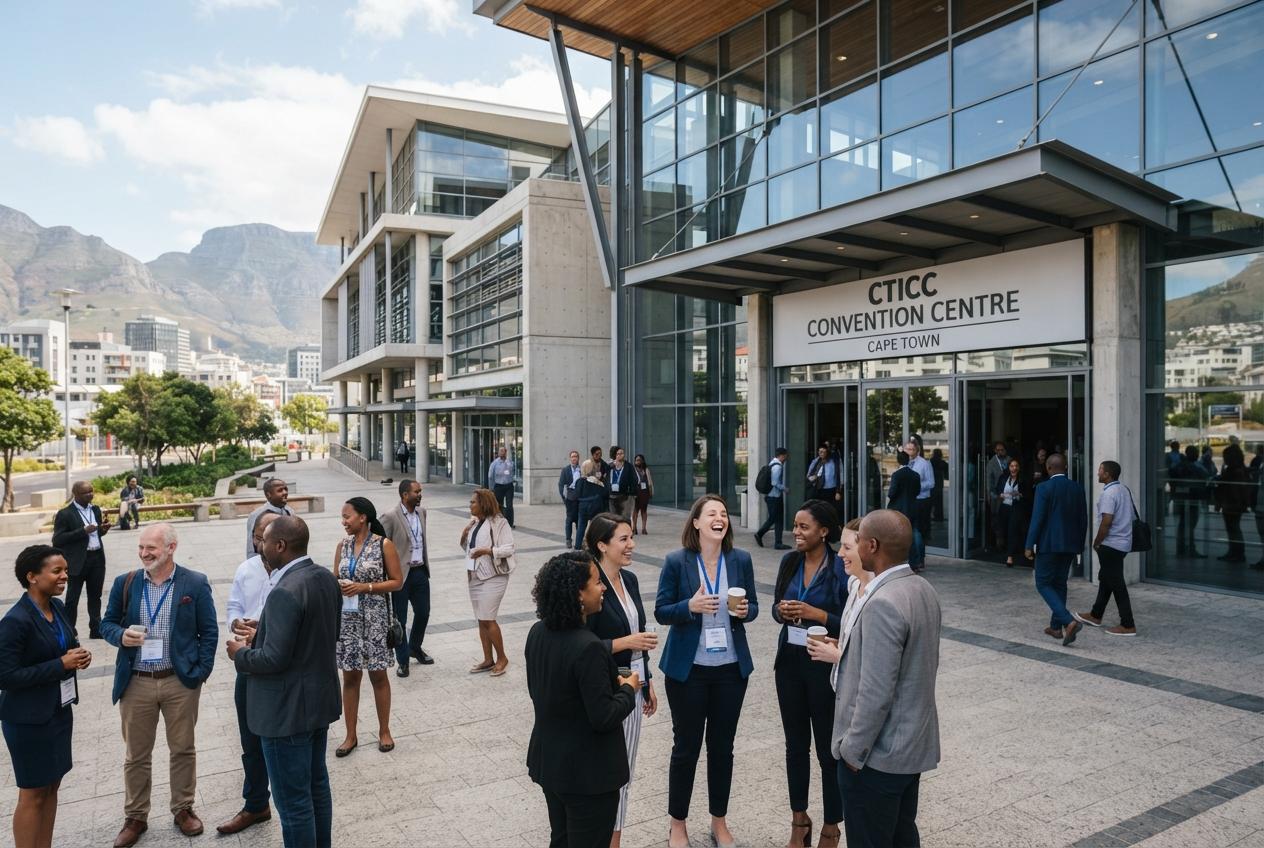
Shoppers are turning their eyes to Cape Town as the city prepares to host WorldPride 2028 , a first for the African continent. The handover in Amsterdam has set plans in motion, and organisers say this won’t be a copy-paste festival but a celebration built on African culture, activism and a chance to amplify queer voices across the continent.
Essential Takeaways
- Historic first: Cape Town will be the first African city to host WorldPride, following a formal handover in Amsterdam.
- Local flavour promised: Organisers plan an event rooted in African culture, arts, sport and carnival traditions , not a straight transplant of European programming.
- Big logistical task: Cape Town’s delegation learned from Amsterdam’s two-week WorldPride experience about scale, safety and operations.
- Rights-focused: The programme will foreground human rights, given the ongoing criminalisation of LGBTQIA+ people across many African countries.
- Community-led events: Plans include a United Prides of Africa Unity Concert and collaboration with national and continental Pride groups.
What happened in Amsterdam and why it felt powerful
More than 25,000 people gathered for WorldPride’s closing concert in Amsterdam, and that crowd set the scene for a symbolic passing of the baton. The Cape Town delegation accepted a ceremonial message stick and a quilt from the Dutch hosts, a warm, visual moment that felt both celebratory and weighty. According to InterPride’s traditions, the handover formalises the next host and begins the clock on planning.
That imagery matters. It’s not just a municipal signing; it’s a public, symbolic transfer that signals global solidarity , and a reminder of what a large-scale Pride can look and feel like when a city leans into both spectacle and serious advocacy.
Why Cape Town matters as a host city
Cape Town isn’t new to big Pride events, but hosting WorldPride places the city on an international stage with added responsibilities. City officials, local activists and cultural figures travelled to Amsterdam to study the programme and the logistics involved in staging parades, conferences and concerts at scale. The aim is to convert those lessons into something distinctively African.
Practically, that means building capacity across multiple South African prides and reaching out to other African countries, so the event truly represents the continent, not just the host city. Expect collaborations that highlight local talent, community leaders and organisers who know the terrain.
What organisers say the festival will focus on
Cape Town Pride and partners are clear: WorldPride 2028 will combine celebration with activism. They want to amplify African queer voices and interrogate how factors like colonialism, apartheid, race, gender and socioeconomic inequality shape LGBTQ+ lives. A human rights conference component is likely to sit alongside arts, sport and music programming.
That balance matters because many African nations still criminalise same-sex relationships. Using a high-profile international event to spotlight those realities could shift global attention and support for regional campaigns, while offering a platform for African activists to tell their stories directly.
How the event will try to feel uniquely African
Organisers have talked about shaping the programme around the continent’s creativity , its music, fashion, carnival and sporting passions , rather than copying models from Europe or North America. One headline idea already mentioned is a United Prides of Africa Unity Concert, which aims to bring communities from across the continent together on one stage.
For visitors and local audiences this should mean a festival that smells of local streets and tastes of local food, that mixes contemporary art with deep-rooted cultural practices. In short, a WorldPride that looks and sounds like Africa.
What to watch for next and how communities can prepare
Expect planning milestones over the next two years: stakeholder consultations, partnerships with governments and civil-society groups, security and accessibility planning, and fundraising. The City of Cape Town and Cape Town Tourism will be visible partners, as will continental organisations.
If you’re an activist, performer or small business in South Africa or beyond, now’s the time to get involved. Reach out to Cape Town Pride or national Pride networks, pitch collaborative projects and think about accessibility and safety for visitors. For international attendees, keep an eye on visa guidance and travel advisories, and plan events that respect local contexts.
It's a small change that can make every celebration louder and safer.
Source Reference Map
Story idea inspired by: [1]
Sources by paragraph: