Shoppers and organisers are pivoting from panic to action: queer communities across North America and Europe are building mutual aid, campaigning against polluters, and centring justice in climate solutions , because who lives and dies in a hotter world is never evenly distributed.
Essential Takeaways
- Disproportionate risk: LGBTQ+ households and communities of colour often live in areas more exposed to climate hazards, increasing vulnerability.
- Mutual aid in practice: Queer-led grassroots groups have delivered urgent relief faster than official channels during floods and wildfires.
- Policy matters: Political choices and corporate projects, like data centres, directly shape local carbon footprints and community resilience.
- Mental-health toll: Climate stress worsens housing insecurity and mental-health disparities already experienced by LGBTQ+ people.
- Actionable steps: Combine individual preparedness with collective organising , emergency kits, local pressure campaigns, and supporting queer-led relief.
Why queer people are on the climate frontline
The numbers are stark and the feeling is immediate: queer households, particularly same-sex couples, often cluster in cities and coastal regions that face sea-level rise, heat islands, and ageing infrastructure. Studies from law and health institutes show that location, income and systemic bias all stack the odds against LGBTQ+ people when disaster hits, and that’s a tangible, frightening fact you can feel in the heat and the hush after an evacuation order. This isn’t random; it’s the result of political decisions and economic forces that shape who gets protected and who’s left to fend for themselves.
Mutual aid is where compassion meets speed
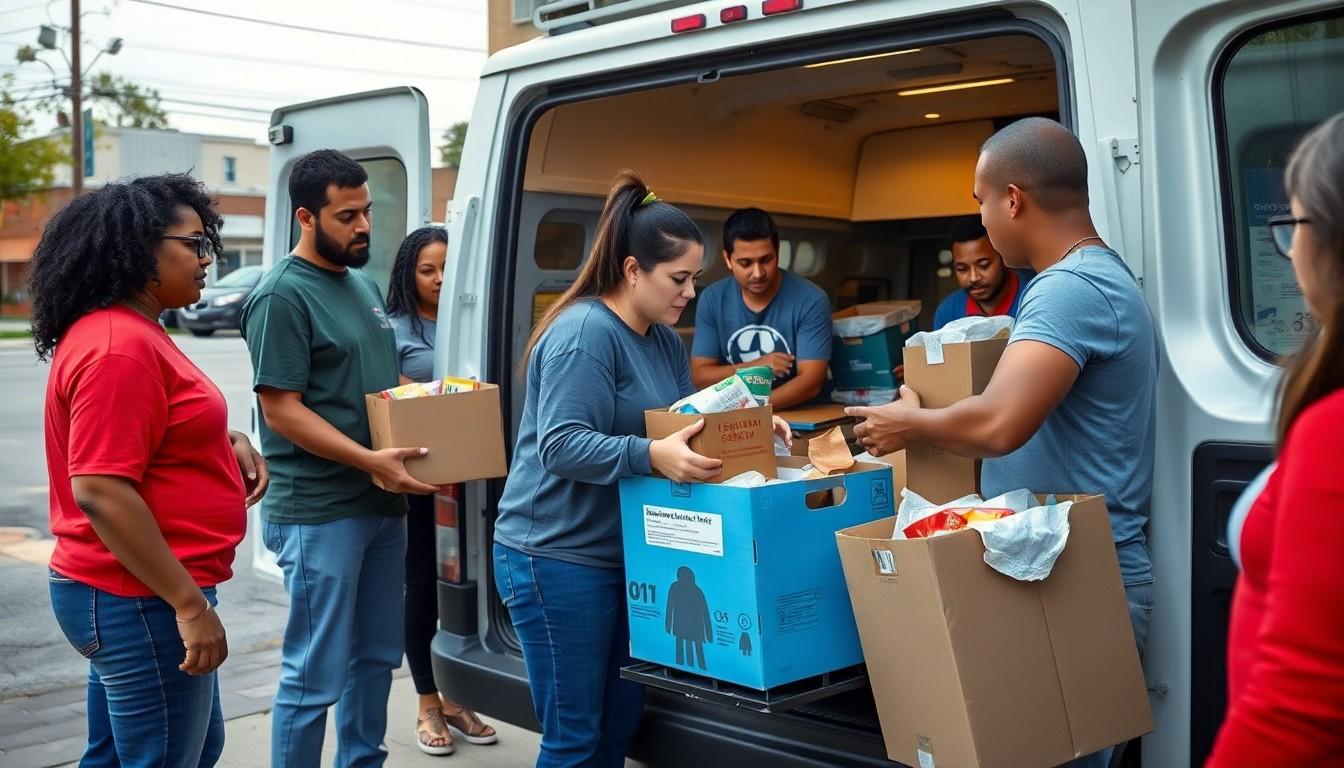
When the Appalachians flooded and wildfires raced across Canada and the Pacific Northwest, it was often queer-led mutual aid groups that mobilised first , DJs turning fundraisers into supply runs, local collectives organising food and shelter. These grassroots responses aren’t romantic gestures, they’re pragmatic systems people rely on because official help is sometimes slow or inequitable. If you want to help, give to local queer-led relief funds, sign up to volunteer lists, or host supply drives that get essentials out the door quickly.
Policy and profit: why systems, not individuals, need changing
The climate crisis compounds existing inequalities: the same policies that fuel housing precarity and anti-trans laws also let polluting infrastructure expand in vulnerable neighbourhoods. Big tech’s thirst for power , literally, in the form of data centres that guzzle electricity and emit carbon , shows how corporate priorities clash with community welfare. Pressuring councils over planning approvals, attending community board meetings, and supporting campaigns that block harmful developments are practical ways to shift power back to residents.
Mental health, housing insecurity and the slow burn of trauma
Climate events don’t just damage property, they erode wellbeing. Research from public-health teams links climate shocks to worsened mental-health outcomes, especially when housing is unstable. For LGBTQ+ people who already face higher rates of anxiety, depression and homelessness, each heatwave or flood is another stressor. Community-based counselling, safe temporary housing options, and funding for queer-friendly mental-health services should be part of any climate resilience plan.
How to act: small decisions that add up to big change
You can’t stop the next heatwave alone, but you can make choices that protect yourself and feed collective resilience. Build an emergency kit that suits your needs, learn your local evacuation routes, and share resources with neighbours. On the civic side, join local environmental or tenant groups, vote for leaders who prioritise climate justice, and amplify queer-led climate campaigns on social media. Supporting intersectional organisations that address race, gender and class alongside climate is the most effective way to ensure help reaches those who need it most.
Looking ahead: building a future worth staying for
There’s a silver lining in the anger and urgency , a new generation of activists is connecting climate action to queer liberation, tech accountability and anti-racism. Protests at planning meetings, viral videos confronting corporate power, and sustained mutual aid show that communities can slow the climate clock when they organise together. It’s messy, often exhausting work, but it’s also hopeful: people who’ve had to look after one another for years are uniquely equipped to lead in a hotter world.
It's a small change that can make every evacuation, heatwave and recovery just a little bit safer.
Source Reference Map
Story idea inspired by: [1]
Sources by paragraph: