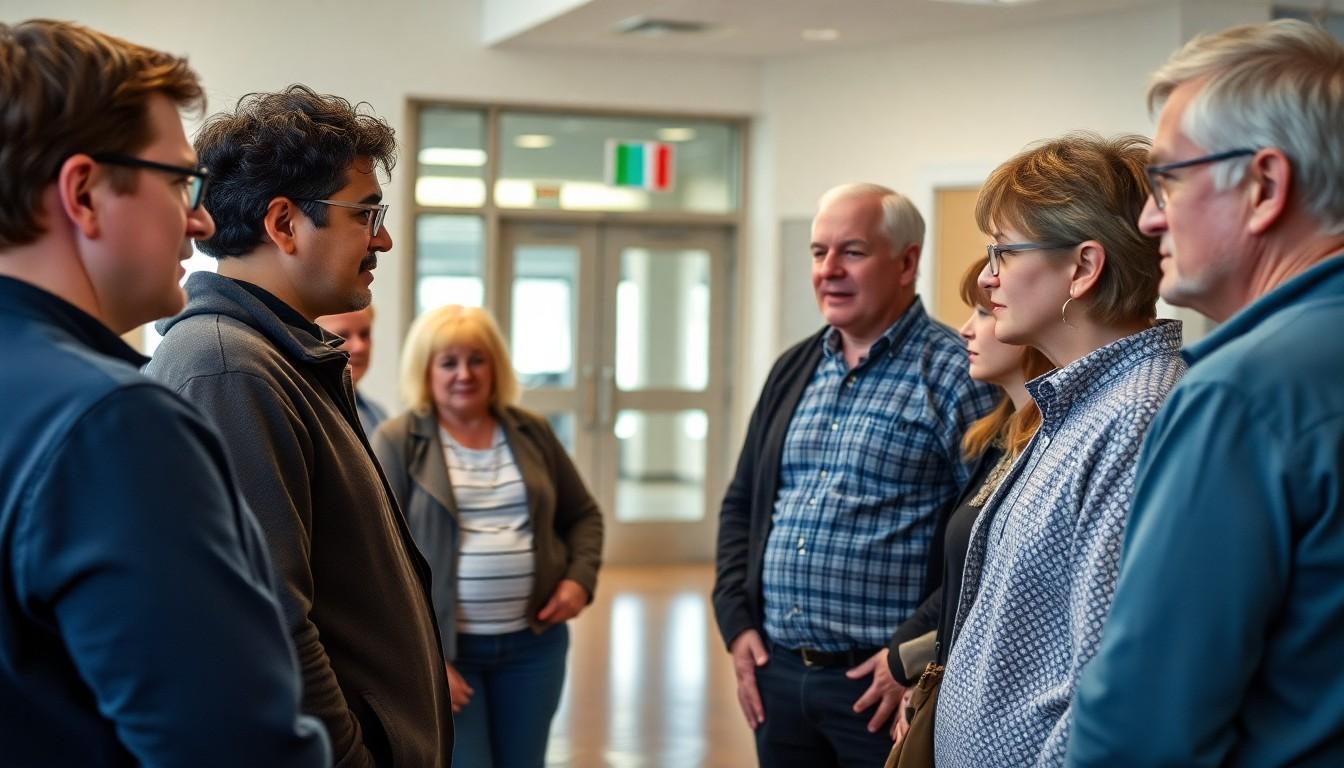
Shoppers and neighbours alike are turning down the scroll and turning up the conversation , Action Canada for Sexual Health & Rights and Egale have relaunched the Get Offline and Talk campaign in Alberta to counter online division and protect young people's rights, education and healthcare.
Essential Takeaways
- Who’s behind it: Action Canada for Sexual Health & Rights, in collaboration with Egale, is leading the relaunch in Alberta.
- What it does: The campaign encourages people to log off social media and have face-to-face conversations to reduce polarisation and protect youth rights.
- Why it matters: Recent provincial laws and policy shifts have put access to education and sexual and reproductive healthcare at risk, affecting young people’s freedoms.
- How it feels: The approach is hopeful and neighbourly , gentle, in-person dialogue rather than online shouting matches.
- Get involved: Visit the campaign hub to find resources, conversation starters and local actions at getofflineandtalk.ca.
Why this campaign matters now: laws, kids and quiet conversations
Alberta has seen a wave of law and policy changes that, advocates say, narrow what young people can learn and who they can be. That creates a sharp online backlash, where arguments tend to harden rather than resolve, and real people get reduced to talking points. So Action Canada and Egale are asking Albertans to swap the comment box for a kitchen table chat. The pitch is simple and human: when you meet someone face to face you notice the small things , a nervous laugh, the way a parent worries , and that softens debate.
From New Brunswick to Alberta: a tried-and-tested approach
This is not a brand-new experiment. The Get Offline and Talk campaign began in New Brunswick and has since been adapted and recognised for impact. Organisers say the New Brunswick rollout showed that empathy-led, in-person conversation can shift narratives and calm heated online spaces. According to campaign materials, the Alberta relaunch keeps that same tone: hopeful, practical and geared to neighbours rather than pundits. If you liked the idea of community-led dialogue in other provinces, this is the same blueprint, now focused on issues Albertans are facing.
What the campaign asks of you: small steps, real effect
You won’t be asked to write policy or lead a protest. Instead, the campaign provides conversation starters, tips on how to listen and information about sexual and reproductive health and education rights. The emphasis is on safety and respect: choose a familiar setting, ask open questions, and be ready to share verifiable facts if asked. For parents and teachers worried about curriculum or healthcare access, the campaign recommends preparing a few calm examples of how policies affect real kids , it's a practical way to make abstract laws feel human.
How this ties into broader rights and health conversations
Protecting access to comprehensive sexuality education and reproductive healthcare isn’t just political language , advocates frame it as a public-health and community-strength issue. When people can make informed choices about healthcare and education, the argument goes, kids are likelier to thrive and communities grow more resilient. The campaign leans into that wider context, connecting individual conversations to systemic outcomes, while keeping the tone accessible rather than legalistic.
Getting involved: where to start and what to expect
If you want to take part, the campaign hub has tools for hosting local conversations, guides for respectful dialogue, and links to resources on sexual and reproductive health and rights. Expect practical advice , how to set ground rules, when to pause a conversation, and how to follow up. It’s a low-barrier way to make your neighbourhood a bit less fractious and a lot more neighbourly.
It's a small change that can make every conversation count.
Source Reference Map
Story idea inspired by: [1]
Sources by paragraph: