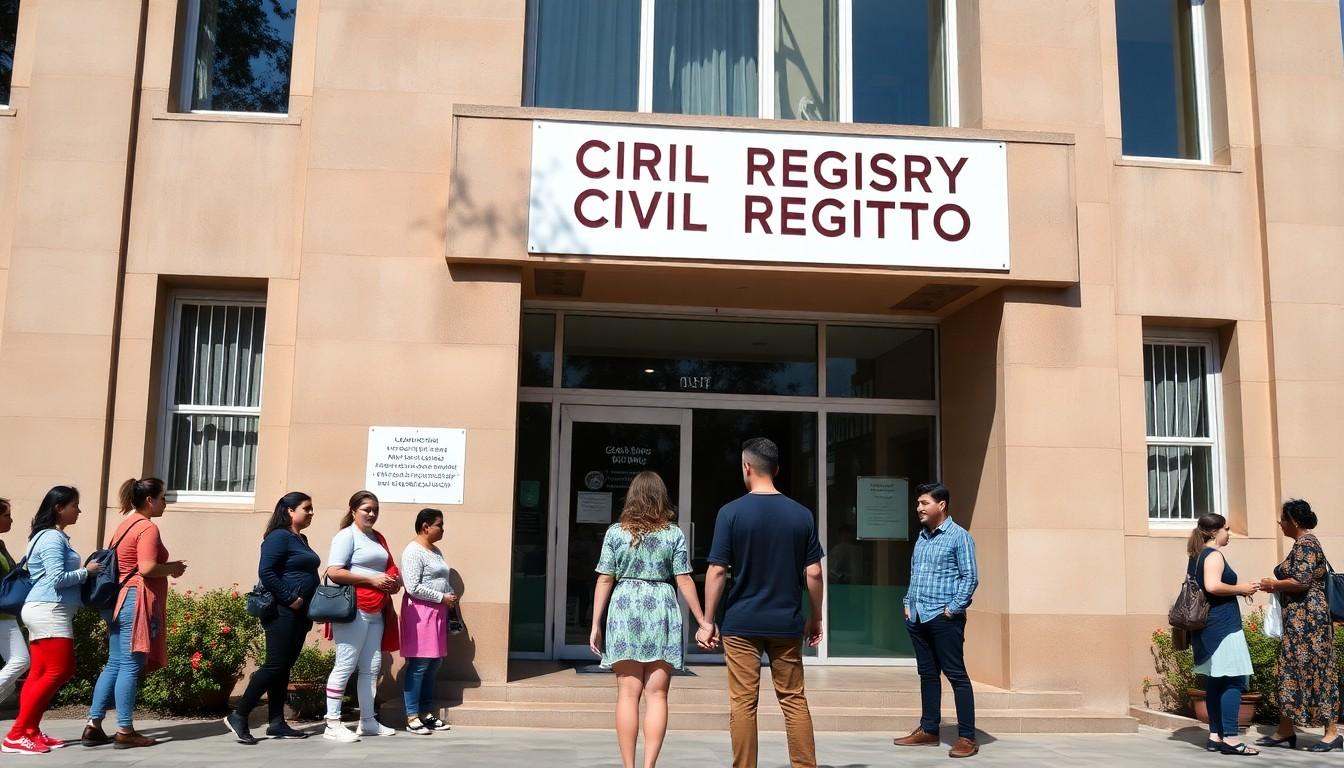
Shoppers are turning to headlines about Fabiana Banzer and Scarlett Rocha’s court victory , Bolivians and LGBTQ+ advocates are watching as the couple becomes the first same-sex pair to secure a civil marriage certificate after nearly four years of legal fight, a local milestone that could nudge the country toward broader marriage equality.
Essential Takeaways
- Historic ruling: Two women, Fabiana Banzer and Scarlett Rocha, won a court order allowing them to register a civil marriage after a 3-year, 10-month legal battle.
- Limited scope: The court decision applies to the couple personally, not yet changing Bolivia’s constitution or national marriage laws.
- Legal precedent: Their case follows earlier wins for same-sex unions and leans on an Inter‑American Court of Human Rights advisory opinion favouring marriage equality.
- Remaining gaps: Same-sex couples in Bolivia still face restrictions on adoption, IVF access for lesbian couples, and conversion therapy remains legal.
- Practical effect: Registering this marriage could make it easier for similar legal challenges to succeed, practical if you’re an activist or same-sex couple seeking recognition.
Why this wedding matters now: a vivid legal step, not a nationwide law
The picture is simple and striking: two women in Bolivia now have a civil marriage certificate after a lengthy legal fight, and it feels like progress you can see. According to coverage of the case, the couple filed in October 2022 with backing from IGUAL Bolivia, the local NGO that supported them through the courts. That support and the resulting injunctions made this result possible, even though national law still says marriage is between a man and a woman.
This isn’t an overnight shift in policy. The Inter‑American Court of Human Rights issued a 2018 advisory opinion saying signatory countries should grant same‑sex couples access to family registration and marriage rights, and lawyers used that international guidance in court. But for now the ruling is individual: it benefits Banzer and Rocha and sets a legal foothold for others to build on.
How the ruling fits with past cases and legal strategy
If you follow LGBTQ+ law in the region, this is a familiar legal playbook: individual constitutional challenges incrementally change practice before lawmakers catch up. Bolivia already saw a notable step in 2020, when David Aruquipa and Guido Montaño won recognition for a civil union. That case later pushed the Civil Registry Service to allow same‑sex unions more widely after additional rulings.
This new marriage ruling follows that pattern , court decisions nudging public institutions to adapt. Activists say that strategic, patience‑based litigation is effective in countries where constitutions still define marriage narrowly. Expect more couples to test the law in similar ways, especially with NGOs offering legal support.
What stays the same: rights gaps that matter to everyday life
Don’t be tempted to call Bolivia fully equal yet. The constitution still restricts marriage to heterosexual couples, and that matters in practice. Same‑sex couples face limits on adoption, lesbian couples aren’t guaranteed IVF access, and conversion therapy is still permitted. These are not abstract issues , they affect family planning, parental rights and mental‑health protections.
For couples thinking about the practical side, a court victory can help secure spousal benefits, inheritance or healthcare access in individual instances, but nationwide legal clarity is still needed to make those rights steady and predictable.
What this means for activists, couples and the courts
Legal victories like this tend to have a ripple effect. Human‑rights advocates will likely use the Banzer and Rocha precedent in future cases, and public institutions may feel more pressure to align procedures with court decisions. If more couples bring successful challenges, lawmakers could face mounting momentum to address the constitutional inconsistency.
If you’re an activist or a couple considering legal action, practical tips matter: document relationship history, seek experienced constitutional counsel, and connect with NGOs like IGUAL Bolivia for litigation strategy. Courts respond to detailed legal arguments tied to international human‑rights standards as much as to social pressure.
Looking ahead: cautious optimism and the next fights
This marriage is a bright personal milestone and a careful legal victory rolled into one. It’s a sign that change can come through the courts, but it’s not a finished story. Expect incremental wins, more test cases, and continued debate over adoption, reproductive access and protections for minors.
It's a small change that can make every step toward equality feel a little more real.
Source Reference Map
Story idea inspired by: [1]
Sources by paragraph: