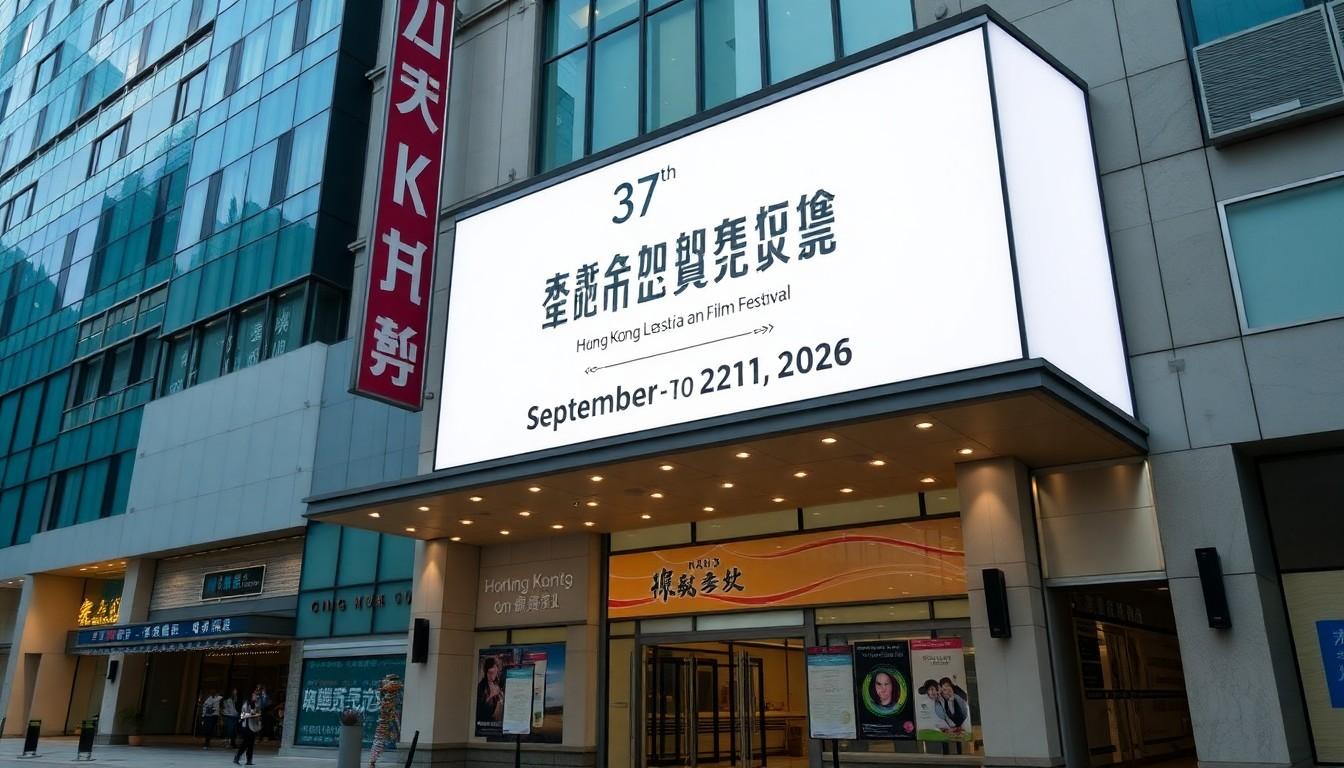
Shoppers of cinema and curious festivalgoers are flocking to Hong Kong this September as the city hosts the 37th Hong Kong Lesbian and Gay Film Festival, a 17‑day celebration of queer stories from Asia and beyond; the programme drops 37 features and 38 shorts across six mood‑based strands, promising laughs, heartbreak and discoveries.
Essential Takeaways
- Biggest line‑up in years: 37 feature films and 38 shorts, with strong Asian representation and several world or regional premieres.
- New structure: The festival removes geographic splits in favour of six moods , LOVE, LAUGH, REFLECT, THRILL, PRIDE and REMEMBER , for a more emotional viewing experience.
- Standout openers and closers: Joan Chen headlines Montreal, My Beautiful at the opener; Tiger and animated ZsaZsa Zaturnnah close the festival.
- Local talent spotlighted: Two shorts strands focus on emerging Hong Kong filmmakers, plus many Q&As with visiting directors and casts.
- Accessible pricing: Regular screenings are priced at HK$100, with special opening and closing packages that include parties at Soho House.
Why the mood‑based programme feels fresher than a straight genre split
The festival has dropped its old geographic and identity boxes and organised films by mood, which sounds simple but actually changes how you plan your diary. Instead of scanning for “Japanese” or “lesbian” tags, you pick an emotional evening , want to laugh or reflect, feel pride or remember? It’s a neat way to curate a week if you want an emotional arc rather than a bingo card of national cinemas. Expect surprises: a film that’s billed under PRIDE can still unsettle you, and a comedy may arrive with a sting in its tail. Practical tip: choose one mood per day and build around talks and Q&As to make the most of guest appearances.
Joan Chen opens with a quiet, resonant centrepiece
The festival kicks off with a double bill that throws a cheeky disaster comedy into relief against a softer, more intimate drama. Montreal, My Beautiful reunites Joan Chen with a story about a middle‑aged immigrant mother unearthing desire and agency, which won Best Canadian Film at Windsor. Joan Chen’s performance has already picked up prizes, and director He Xiaodan will be at the opening for a Q&A. If you like measured acting, textured immigrant stories and the small‑room intensity of rediscovery, this is the opener to book. Also, screenings like this are when the festival buzz is highest , arrive early for atmosphere and festival freebies.
Tiger and ZsaZsa Zaturnnah give very different flavours to closing night
Closing programmes couldn’t be more varied. Tiger, an intimate Japanese drama about a gay masseur facing family pressure and the threat of exposure, is described as a sensitive portrait of loneliness and survival; lead actor Takashi Kawaguchi will attend for a Q&A. Then there’s ZsaZsa Zaturnnah, a full‑blooded Filipino animated superhero movie that flips prejudice on its head with colour, camp and sharp satire. One is quiet and interior, the other loud and liberating , pick your ending note based on whether you want something contemplative or cathartically fun. Or, better yet, take both and enjoy the contrast.
Asian cinema takes centre stage , and that matters
From Chinese premieres to Filipino and Korean festival winners, Asian titles dominate the schedule: Under the Gaze of Night premieres in Hong Kong; Open Endings and Raging bring Philippine cinema’s grit and heart; What We Saw from Korea interrogates memory and surveillance. This is one reason HKLGFF matters: it’s a hub for Asian queer storytelling at a time when regional perspectives are increasingly visible on the festival circuit. For buyers, critics and local audiences, that concentration helps map contemporary queer concerns across borders , family, migration, technology, violence. Tip: check out films that have played Busan or Berlinale if you want assured picking.
Shorts and local filmmakers , the festival’s future is here
Thirty‑eight shorts across seven programmes include two bundles dedicated to emerging Hong Kong directors. Those strands are a brilliant way to spot new voices before they graduate to features, and they often deliver punchy storytelling with a compact emotional charge. Expect a range of tones , from queer comedy to reflective memoir , and multiple post‑screening Q&As where filmmakers are embarrassingly candid about budgets, locations and last‑minute improvisations. If you’re based in Hong Kong, make time for these sessions; they’re where community conversation happens and where local talent meets audiences.
Prism Award, parties and the human side of the festival
The festival also honours activism: Dr Gigi Chao receives the Prism Award for her work with marriage equality and LGBTQ+ programmes across Asia. That nod reminds you that the weekend parties and premieres sit alongside ongoing fights for rights and visibility. Tickets are intentionally affordable , regular screenings HK$100 , and opening and closing passes include Soho House parties, so the festival mixes serious programming with sociality. My advice: mix a couple of marquee screenings with shorts or mood sessions and finish with a Q&A or a party; it keeps the experience both stimulating and sociable.
It's a small change to how the festival is organised, but it makes every screening feel like the beginning of a conversation.
Source Reference Map
Story idea inspired by: [1]
Sources by paragraph: