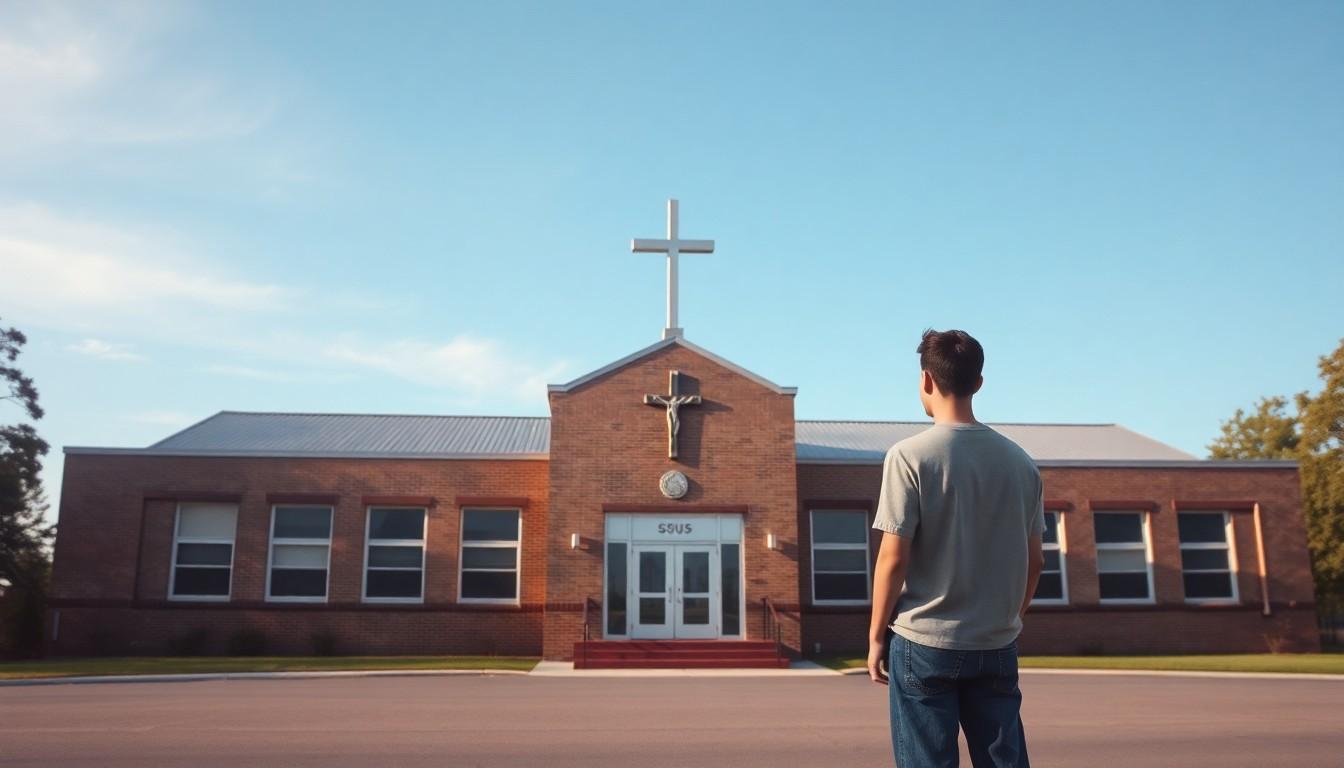
Remembering a childhood shaped by fear, small mercies and quiet resilience: a veteran writer recalls Catholic school bullying, the shadow of Executive Order 10450, and the small consolations that helped him find himself and, eventually, peace.
Essential Takeaways
- Early isolation: A Catholic school environment left the author feeling ashamed, fearful and alone while he wrestled with emerging same-sex attraction.
- Government policy mattered: Executive Order 10450, which labelled “sexual perversion” a security risk, reinforced social stigma and had real-life consequences for queer Americans.
- Small kindnesses helped: Moments of compassion from peers and safe havens like a YMCA chess club and swimming sessions offered emotional rescue.
- Long arc of change: The policy-era hostility described continued for decades; meaningful reversals came only much later and after sustained activism.
- Personal growth: The writer moved from hiding to authenticity, finding pride, composure and a life beyond shame.
A childhood that felt both ordinary and quietly dangerous
He remembers being four and feeling like any other bright child, yet carrying a secret that made every school bell feel heavy. Playgrounds smelled of dust and playground sweat, and taunts landed like small, precise blows. According to National Archives records, the climate for queer people in federal employment , and by cultural spillover, in ordinary neighbourhoods , hardened after President Eisenhower signed Executive Order 10450 in 1953, a policy that labelled homosexuality a security risk. That kind of official sanction seeped into homes and schools, so a child’s shame wasn’t only social, it felt sanctioned.
How institutions shaped shame , and how kids survived anyway
Catholic schooling offered structure, but also a message of rejection the author could not reconcile with his inner life. He avoided telling adults for fear of worse consequences, and learned to hide pain rather than risk harsher judgment. Meanwhile, public-history sites describe the wider “Lavender Scare” of the era, where moral panic and employment purges reinforced isolation for countless people. Yet small outposts of normality , a chess club, a YMCA pool , became lifelines, proving that even in tense times children find ways to connect and breathe.
The sting of bullying, and the sweetness of unexpected kindness
He recalls being kicked and insulted and learning that showing pain could invite more harm. But then, out of the blue, an older boy comforted him on the playground and a swimming companion turned play into joy. Those tiny mercies mattered. They’re a reminder that amid policy-driven stigma, everyday acts of compassion can alter a child’s emotional trajectory. For parents or carers today, the takeaway is simple: create spaces where kids can be vulnerable and teach by example how to offer empathy.
When government policy becomes personal
Executive Order 10450 didn’t just exist in dusty offices; it influenced conversations at home and the way authority figures responded. The author’s father, echoing wider fears, called queer federal workers a security risk , an image that cut deep for a boy already trying to understand himself. Historical guides and archive documents show that such policies persisted in effect for decades, shaping careers and lives until later reversals and civil-rights advances. Understanding that link helps explain why shame felt so institutional, not merely interpersonal.
From hiding to honesty: a small, human victory
Over time, the writer found confidence and learned to reject the corrosive lessons of secrecy. He came out to himself first, then gradually to friends, and began to savour humour, chess, and companionship without the constant clench of fear. His story echoes broader cultural change: personal courage paired with community pressure eventually shifted laws and attitudes. For anyone supporting a young person now, practical advice is to seek local LGBTQ+ youth groups, trusted mentors, and archives or memoirs that show you’re not alone , history proves that individual lives keep moving forward.
It's a small change that can make every childhood kinder and every adult fiercer in defending the next generation.
Source Reference Map
Story idea inspired by: [1]
Sources by paragraph: