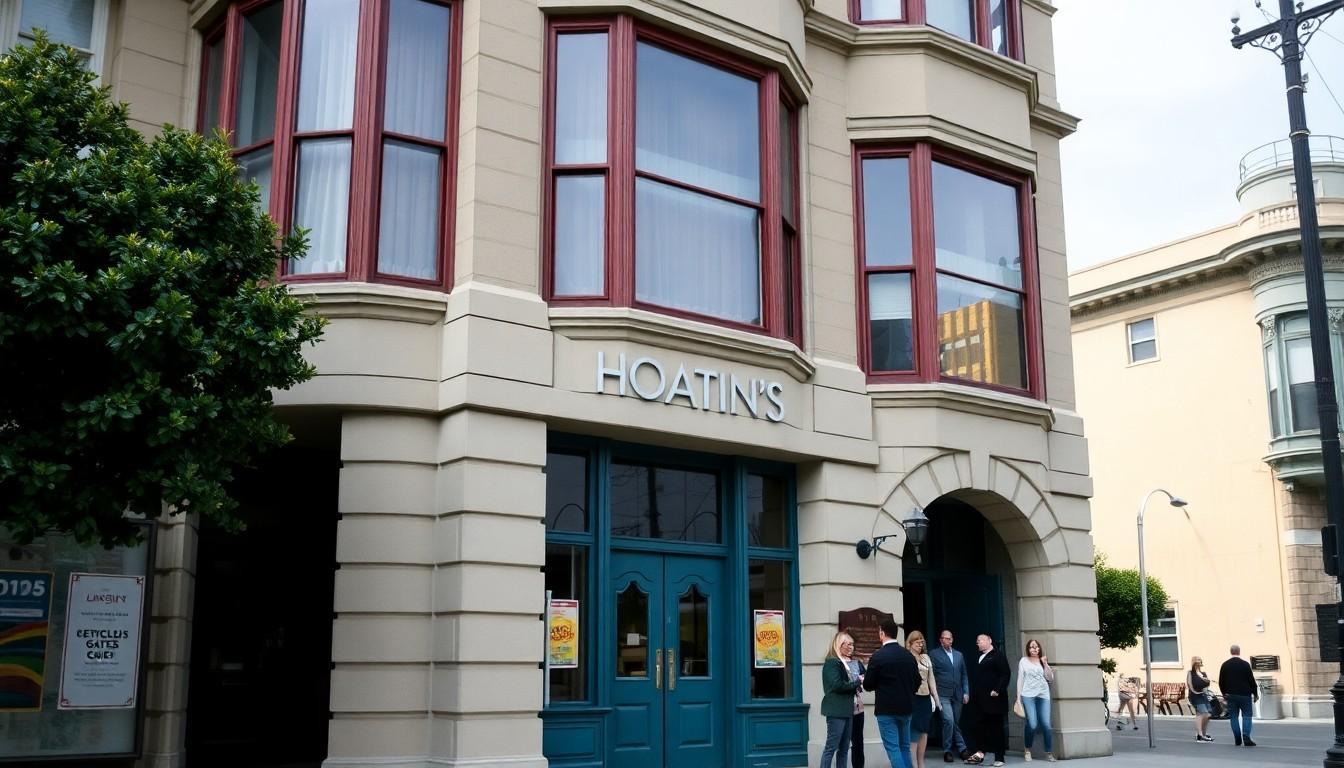
Shoppers are flocking to a vibrant new film project that treats thrift and memorabilia as living history , A Very Oral History follows a kaleidoscope of queer San Francisco stories across music, film, magazines, nightlife and a beloved Castro shop, and it matters because these items stitch generations together.
Essential Takeaways
- Living archive: AutoErotica serves as a tactile museum of queer life, packed with magazines, posters, pins and rare film reels that smell of history and memory.
- Short film success: AutoErotica: We Buy Gay Stuff, a 17‑minute short, played Frameline and is available to stream for free, introducing the project’s tone and subjects.
- Six chapters: The feature will unfold across chapters covering the Castro shop, magazines, literature, queer film, high‑energy music, and the AIDS pandemic.
- Community voices: Directors Jeremy von Stilb and producer Ricky Vidrio are interviewing elders, artists, archivists and musicians to bridge generational gaps.
- Support needed: The project is fundraising via Film Independent to finish the feature and aims for festival runs and a streaming home.
A shop becomes a portal , why AutoErotica matters
Step inside AutoErotica and you can almost hear a record crackle in the corner; it’s that tangible. The shop’s owner, Patrick Batt, has been collecting ephemera for decades and the items , magazines, posters, rare 8mm , act as memory anchors for queer lives often erased by time. According to the filmmakers, the store isn’t merely a porn shop; it’s a living archive that resurrects friendships, lovers and artists who might otherwise have been forgotten.
The short film AutoErotica: We Buy Gay Stuff established that premise, opening at Frameline to sold‑out audiences and then reaching more people online. Vidrio and Von Stilb use the shop as a storytelling device: pick up an issue, and a voice starts to tell you a chapter of community history. If you want to understand why physicall collections still matter in a streaming era, this is the place to begin.
Magazines and zines , how print built community before the internet
Before DMs and feeds, magazines like Drummer knitted networks across the country; they were message boards in glossy ink. The filmmakers plan a chapter devoted to publishing , not as nostalgia but as a study of how print shaped identity, desire and politics in the ’70s and ’80s. Jack Fritscher and other figures tied to that world bring insider perspective.
For young viewers, the aesthetic is striking: tactile paper, bold photography, hand‑made layouts. For elders, it’s home. Practical takeaway: if you’re conserving family or community materials, think about simple archival steps , acid‑free sleeves and climate control , so these voices survive the next generation.
Queer film and porn , from Al Parker to underground studios
Chapter four turns to queer cinema and adult film, mapping creators like Al Parker and studios such as Surge and Raging Stallion. The filmmakers treat this work as cultural production, not shameful sideline material, and they aim to show how these films recorded desire, aesthetics and community economies.
That approach reframes a familiar debate: were porn and art separate? The answer here is no , they were conversation partners. If you’re curious about preservation, the film will highlight collectors and archivists who rescue fragile reels and tapes, reminding us that format migration , digitising 8mm and VHS , is urgent work.
Disco, synths and liberation , music as anthems of joy
One chapter celebrates sound: disco, high‑energy tracks, and figures such as Patrick Cowley and Sylvester who made dancefloors places of refuge and rebellion. Music wasn’t just entertainment; it was code, catharsis and a way to imagine a different life. The filmmakers plan to show how recordings, labels and clubs kept communities connected across the Bay Area and beyond.
This part of the film promises to be joyful and moving, pairing archive performances with contemporary reactions. It’s a reminder that preservation isn’t only about mourning loss , it’s about amplifying the beats that helped people survive and celebrate.
AIDS, memory and the duty to remember
The final chapter confronts the devastation of the AIDS pandemic and the cultural aftershocks it left. Von Stilb and Vidrio see collections like Batt’s as tombstones and testaments at once: belongings sometimes survived the purge that followed deaths, and they now act as evidence of lives lived fully and creatively.
Interviews with survivors, historians and community leaders will aim to balance grief with resilience. The filmmakers want audiences to laugh and learn, to feel anger and to recognise the grassroots efforts that have kept stories alive. It’s a hard but necessary conversation for younger generations seeking connection.
How you can watch and help finish the film
The short is free to view on the project website and has already built momentum through festivals and social media that rescued AutoErotica itself. Vidrio and Von Stilb are crowdfunding via Film Independent to complete A Very Oral History, with hopes for a festival run and eventual streaming release.
If you care about queer memory, consider donating, sharing the short, or even checking your own attic for treasures that deserve care. Archival work is collective work, and one small act can save a story.
It's a small project with big heart , and one that asks us all to listen.
Source Reference Map
Story idea inspired by: [1]
Sources by paragraph: