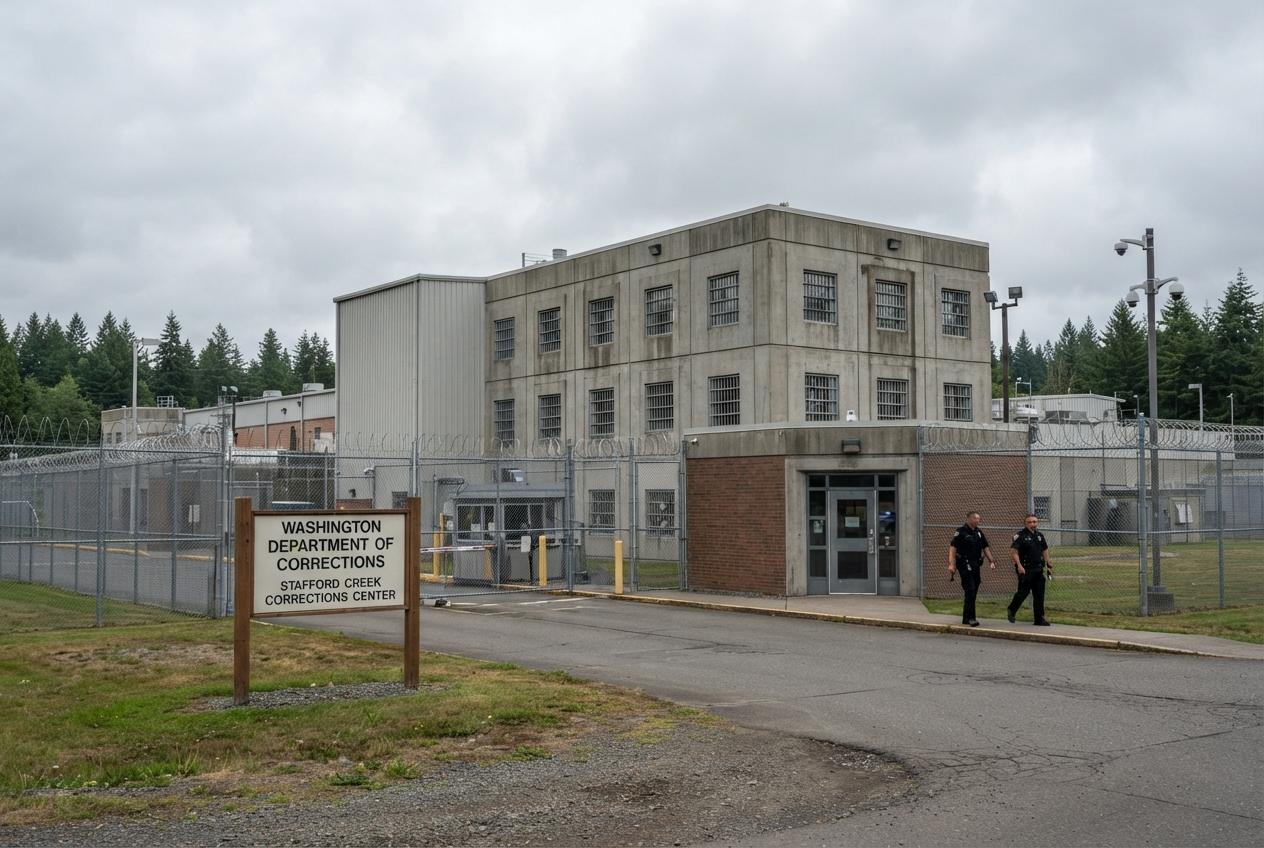
Shoppers of justice are watching: a Washington man has sued the state corrections department and its contractor after alleging anti‑Gay slurs, false HIV claims and religious coercion during a court‑ordered residential rehab program , a case that could change how treatment is run for vulnerable, mandated participants.
Essential Takeaways
- Allegations: A forced 60‑day residential programme allegedly included repeated homophobic slurs, stigmatizing HIV claims and distribution of proselytising religious comics.
- High stakes: Completion was tied to avoiding three extra years behind bars, so participants faced pressure to stay silent and comply.
- Reported retaliation: The plaintiff says he faced immediate pushback after reporting the materials to staff.
- Broader concern: Advocates warn similar practices may persist where private contractors run court‑ordered treatment without adequate oversight.
- What to do: If you experienced similar treatment in an ABHS or WDOC programme, contact the plaintiff’s attorneys to discuss joining the case.
What the lawsuit says , stark claims from a mandated programme
This suit centres on a Washington resident who was required to complete a 60‑day residential drug treatment as part of a sentencing alternative. He alleges counsellors repeatedly used homophobic slurs and described same‑sex affection as “disgusting,” while handing out a religious comic that painted LGBTQ+ and HIV‑positive people as immoral or dangerous. That’s a raw, personal claim, and it comes with a human detail: completion of the programme determined whether he would serve another three years in custody, so the stakes were literal and immediate.
The complaint asserts not only harassment but active dissemination of materials that proselytise and stigmatise, creating a hostile environment for people already in a fragile place. According to his legal team, when he reported the comic, an administrator admitted it had been approved and effectively shrugged it off , a response that readers will find chilling given the power imbalance involved.
Why this matters beyond one man’s experience
Forced‑participation programmes are different to voluntary therapy; they compress power dynamics. When treatment is court‑ordered, participants are especially vulnerable to coercion since non‑compliance can mean more time in prison. That’s why civil‑rights and disability advocates have long watched the intersection of corrections and treatment closely, and why the claim of religious coercion alongside harassment raises alarms about whether public funds are supporting proselytising content.
If the allegations are borne out, they touch on free‑exercise and establishment concerns, anti‑discrimination law, and the obligations of corrections departments to provide safe, secular treatment options. The case highlights a broader pattern critics flag when private contractors provide services inside public systems: oversight gaps can let harmful practices go unchecked.
How contractors and corrections departments could be held accountable
This isn’t just theatre; it’s a potential accountability moment. The suit names both the state corrections department and its contractor, which signals that plaintiffs think responsibility runs up the chain , from on‑the‑ground counsellors to the agencies that choose and monitor providers. Legal teams handling similar claims often seek injunctive relief to stop practices immediately, alongside damages for affected individuals.
For corrections administrators and county officials, the practical question is how to ensure secular, evidence‑based treatment without religious messaging or discriminatory speech. That means stronger contract language, clearer reporting routes for inmates, and routine audits of materials used in programmes.
Practical advice if you or someone you know was in the programme
First, document everything: dates, staff names, materials handed out, and any administrators you spoke to. Even simple details matter later. Second, consider contacting advocates or attorneys who specialise in civil‑rights and corrections work , joining claims can strengthen cases and expose systemic problems. Third, if you’re still in contact with the facility or supervising officer, ask for an official grievance process in writing so there’s a record.
And a pragmatic note: many people in these programmes are scared to speak up because they fear retaliation. That’s why lawyers and civil‑liberties groups often urge confidentiality and legal support before filing formal complaints.
Where this fits with other recent challenges to faith‑based practices in public programmes
Similar disputes have cropped up elsewhere when religious messaging intersects with publicly funded services. Rights groups and disability advocates have successfully challenged programmes that mixed treatment with doctrinal instruction, arguing that state funding requires neutrality and safe access for all participants, including LGBTQ+ and HIV‑positive people.
Expect interest from civil‑liberties organisations and local media as the case progresses, and watch for whether the state changes contract oversight or removes the contractor while the matter is litigated. For advocates, this is as much about preventing future harm as it is about remedying past wrongs.
It's a small procedural change that could make every court‑ordered treatment safer and more respectful.
Source Reference Map
Story idea inspired by: [1]
Sources by paragraph: