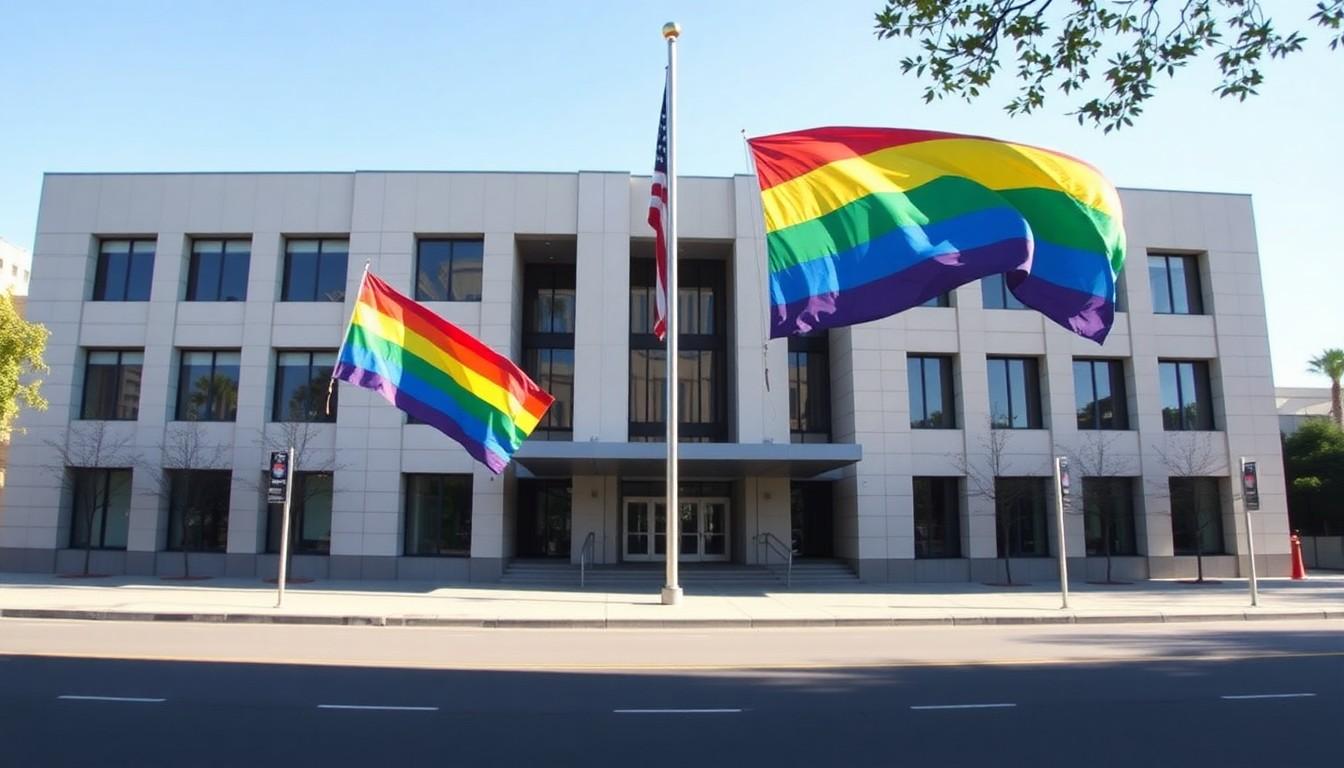
Watchers have noticed a vivid online backlash since Wes Streeting became defence secretary, but his appointment still marks a visible milestone , the first openly gay person in the role , and raises fresh questions about how Britain reckons with homophobia in politics, the military and online spaces.
- Historic milestone: Wes Streeting is the first openly gay defence secretary, a symbolic shift from times when homosexuality barred military service.
- Volume of abuse: Streeting reports an “unbelievable volume” of online homophobia since his appointment, more severe than any prior harassment he’s faced.
- Institutional context: Homosexuality was only decriminalised in 1967 and remained a formal military offence until the 1990s, with lingering cultural effects.
- Practical impact: LGBTQ+ staff in the MoD say the appointment matters emotionally , some told Streeting they felt proud and seen , even as online trolls persist.
- What to watch: How the defence ministry and wider government respond to online hate, and whether this moment prompts clearer protections and culture change.
A landmark appointment that still smells of old prejudice
Streeting’s rise to the MoD’s top political role is visibly historic and has an emotional, almost tactile feel for many LGBTQ+ people , relief, pride and recognition all at once. He told audiences at the Edinburgh Fringe that while the mainstream media barely noticed his appointment, the reaction on social platforms was stark and poisonous. That contrast underlines how visibility can trigger both celebration and hostility.
The public backstory matters: decriminalisation only began in 1967, and the armed forces explicitly excluded gay people until the 1990s. According to historical records, rules that allowed dismissal for “conduct prejudicial to good order and discipline” lingered into the early 2000s, so the cultural scars are recent and real. That history helps explain why an openly gay defence secretary still unsettles some corners of the internet.
Why online abuse feels different , and why it’s getting louder
Streeting described the volume of abuse as unprecedented in his career, and that’s not unique to him. Online platforms amplify voices that once might have stayed local; anonymity and algorithmic boosts warp reach and intensity. Research and commentators have noted how targeted harassment often spikes around high-profile appointments, especially when the public sees identity and power intersect.
For officials and staff, the effect is personal. Streeting recounted colleagues in the MoD telling him how meaningful his appointment was; that human reaction contrasts with the anonymous bile. The gap between institutional acceptance and popular prejudice is where policy now needs to catch up , not just statements, but enforcement and support.
The military’s slow arc , from exclusion to representation
The armed forces have changed rapidly in the last few decades, yet institutional memory runs deep. The legal barriers fell in stages: decriminalisation in 1967, removal of explicit military bans through the 1990s, and further reforms into the 2000s. That timeline helps explain why older service members and veterans sometimes recall harsher eras, and why symbolism still matters.
Practical steps matter more than platitudes. If the MoD wants to make this appointment a turning point, it needs visible policies: robust anti-harassment rules, clear reporting channels for personnel, and training that addresses the cultural legacies of past discrimination. That’s the difference between a milestone and meaningful change.
What ministers can do about online hate , and what civil society expects
Ministers have options beyond public rebukes. They can work with platforms to speed takedowns, fund helplines and legal support for targeted staff, and ensure internal investigations into harassment are independent and timely. NGOs and LGBTQ+ groups will be watching closely; their reaction will shape how resilient Streeting’s position is to sustained abuse.
There’s also a wider political angle. Streeting’s prominence could embolden allies in other departments to tackle harassment and improve inclusion in healthcare, policing and public services. Conversely, if the response is muted, critics warn that progress could be cosmetic rather than structural.
How this moment lands for everyday people and voters
For many LGBTQ+ Brits, seeing an openly gay defence secretary is a quiet, powerful reassurance , proof that change can happen within institutions once closed to them. For others, the barrage of online abuse is a reminder that legal progress doesn’t erase societal prejudice overnight. Voters who value civility will expect government to defend officials from coordinated harassment; those concerned about free speech will ask where enforcement ends and censorship begins.
If you’re an employer, a union rep, or simply a colleague, this is the moment to think practically: set clear anti-harassment policies, offer support to staff targeted online, and make sure reporting leads to meaningful outcomes. Small workplace changes stack up into cultural shifts.
It's a small change that can make a big difference , if action follows the symbolism.
Source Reference Map
Story idea inspired by: [1]
Sources by paragraph: