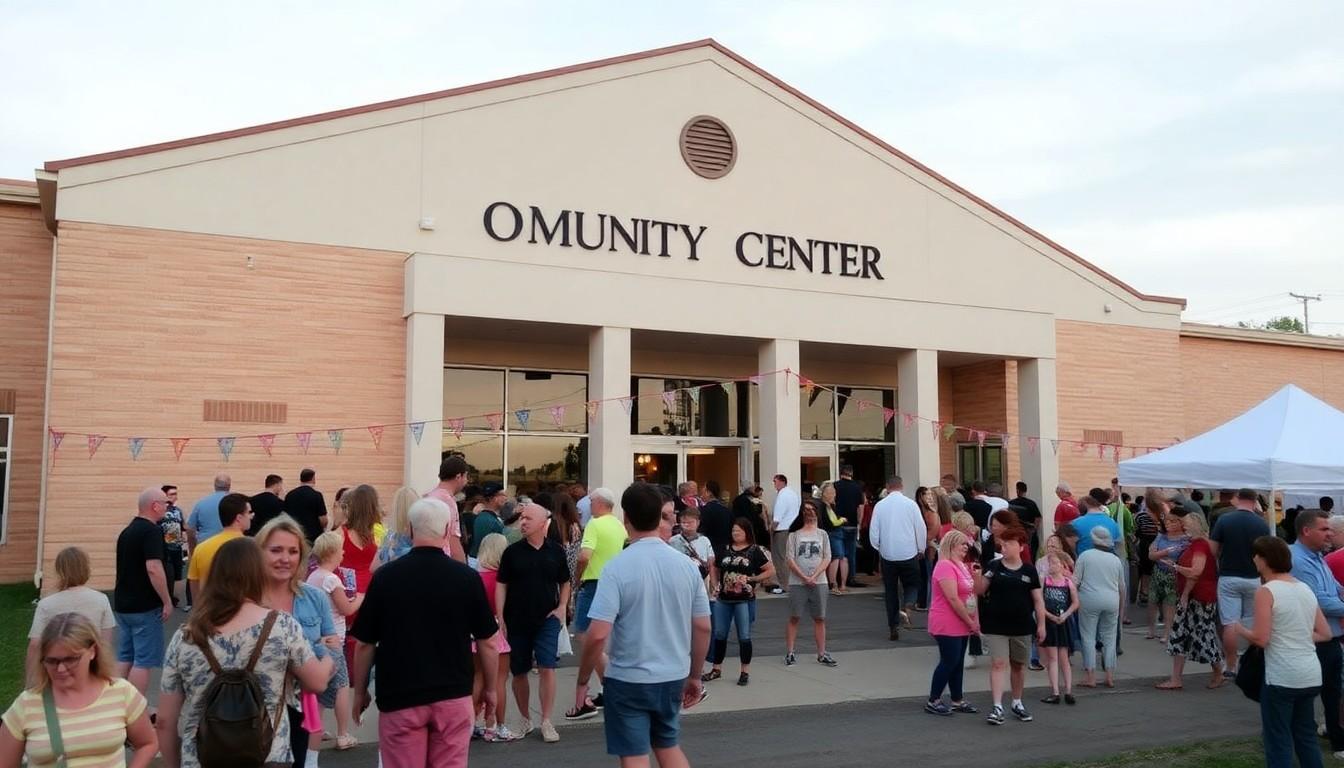
Shoppers, neighbours and festival-goers are rallying around Henderson KY Pride after a local letter writer urged the city to “put an end” to Pride events; the organisation’s board issued a detailed rebuttal defending its record, community role and family-friendly approach , and why it matters to residents.
Essential Takeaways
- Record turnout: Pride ’26 drew more than 2,000 people to downtown Henderson and set new sponsorship and outreach highs.
- Wide participation: Over 85 vendors took part, from businesses and healthcare providers to churches and artists, creating a mixed, community feel.
- Drag explained: Organisers emphasise drag as theatrical entertainment , costumes, comedy, dance and audience interaction , not inherently sexual.
- Local roots: Henderson KY Pride is run by residents who live, work and worship in the city; most attendees are local too.
- Open invitation: The board invited the critic and anyone curious to attend events, meet the board, and see the work firsthand.
Why the board responded , and why the tone matters
Henderson KY Pride’s reply lands with the confidence of an organisation that knows its neighbourhood and numbers, and it opens with a sensory detail: a packed downtown, more than 2,000 people enjoying music and food. According to local festival listings and the group’s own event page, Pride ’26 was a full day of activity that stretched beyond a single act or performance. The board made a point-by-point rebuttal because the original letter, they say, relied on selected online clips rather than attendance or local experience. That matters because a community festival gets judged not by a few moments but by the mix of vendors, families and services on offer. If you want to understand the event, the board offers a simple solution: come along.
What actually happens at Pride ’26 , more than performances
Festival materials and local event pages show a long vendor list: small businesses, nonprofit stalls, health providers and even churches shared space with food traders and artists. That blend is deliberate, organisers say, because Pride events serve both celebration and resource roles. For anyone who hasn’t been, practical takeaway: Pride is equal parts market, stage and community fair. If you’re choosing what to attend, look at the programme and pick the parts that match your comfort level , markets are family-friendly, some shows are more adult-focused, and parents can decide what suits their kids.
Drag in context: theatrical tradition, not a single story
The board pushed back hard on the claim that drag is “sexual, dangerous or degrading,” framing it instead as a long-standing form of theatrical entertainment built on character, costume and comedy. Local reporting around Pride ’26 highlights headline acts, including a guest from RuPaul’s Drag Race, which brings polished performance rather than anything lurid. If you’re unsure about a drag performance, here’s pragmatic advice: check the event schedule and performer descriptions, and attend daytime or explicitly family-friendly shows. Many festivals clearly label what’s suitable for general audiences so you can plan accordingly.
Who’s behind Henderson KY Pride , local people, not outsiders
A key theme in the board’s letter is ownership: Henderson KY Pride is organised by people who live and work in the city, and the attendees are largely local too , though success understandably draws visitors from neighbouring towns. That local grounding rewrites the narrative that Pride is something imposed from outside. For residents weighing in on public events, a useful tip is to contact organisers directly. The board extended an open invitation to the critic to meet them; that’s a sensible route if you want facts rather than impressions.
What this fight signals for small-city Pride events
The exchange is part of a broader trend where community celebrations become cultural touchpoints. Henderson’s response shows how organisers are sharpening messaging around inclusion, safety and the mixed practical value Pride brings , from economic lift for vendors to connection with health and social services. Looking ahead, expect organisers to keep documenting attendance, partnerships and the types of vendors involved; that data is persuasive for people who want to judge events by reality rather than clips. And for anyone hoping these events disappear, the board’s tone makes one thing clear: they’ve got momentum and they plan to keep it.
It's a small change that can make every celebration safer and more understood.
Source Reference Map
Story idea inspired by: [1]
Sources by paragraph: