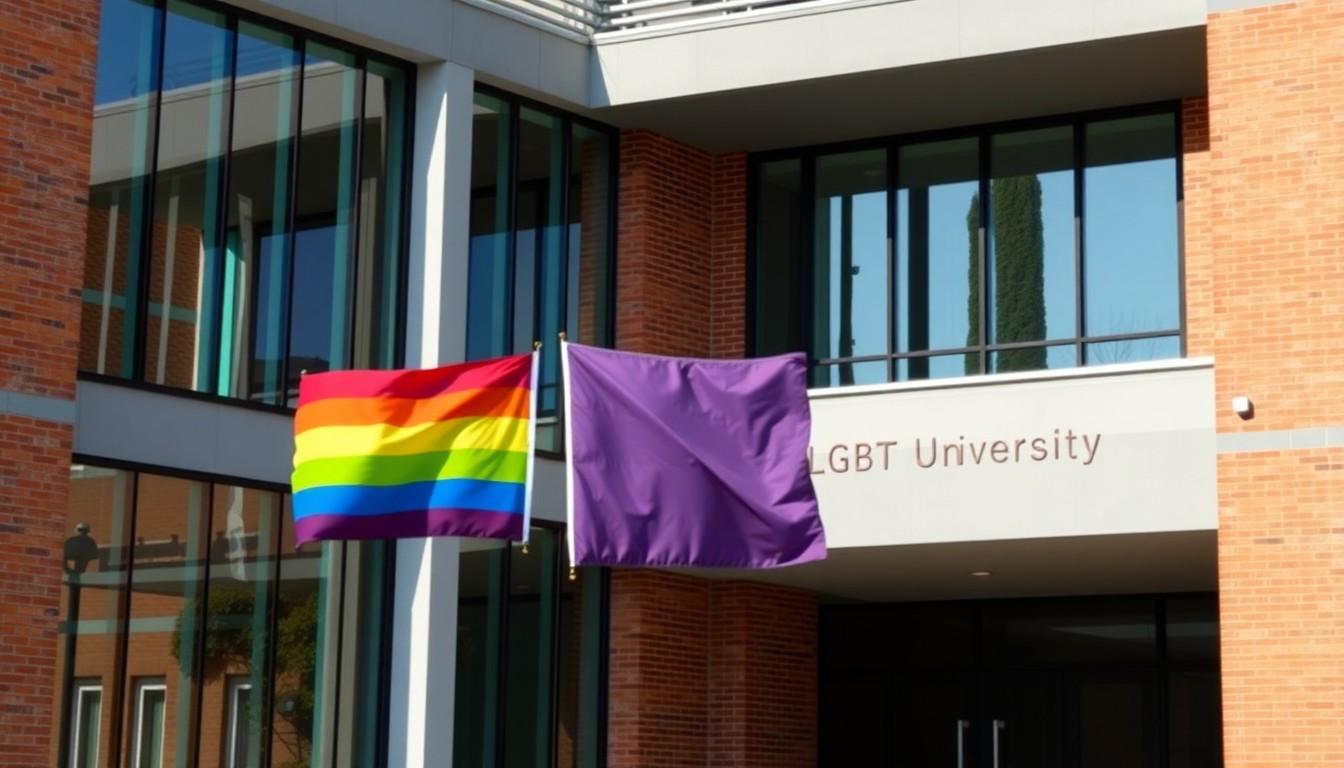
Remembering matters: readers are turning to John D’Emilio’s new memoir as a clear-eyed, insider account of how queer history became an academic and political force , and why that history is now a frontline in cultural battles, from classroom curricula to flags on federal land.
Essential Takeaways
- Author background: John D’Emilio is an influential scholar-activist who helped found LGBTQ history as an academic field and wrote landmark texts used in courts and classrooms.
- Fresh memoir angle: Making Gay History traces three pivotal periods , post-Stonewall New York, activism and policy work in the 1980s–90s, and the later academic institutionalisation of queer studies.
- Tangible impact: His scholarship, particularly Intimate Matters and writings cited in Lawrence v. Texas, show history’s power to shape law and public debate.
- Emotional tone: The book blends personal vulnerability with professional rigour, offering both archival detail and human stories.
- Contemporary resonance: Recent controversies over the Stonewall monument and Pride flag underline why remembering and teaching queer history still matters.
A living archive: D’Emilio’s memoir opens like a history lesson you can feel
D’Emilio brings a tactile sense of the past to life , the awkwardness of coming out, the buzz of activist study groups, the strain of lettered archives , and makes the reader sense how intimate politics once were. According to reviews and publisher notes, the memoir reads in three acts, each marking a chapter in the making of queer history and identity. That structure helps explain how small social networks grew into national movements and academic programmes. For any reader curious about origins , whether student, activist, or simply interested , the book offers a vivid, human route into complex change.
From radical classrooms to mainstream curricula: a career that shifted a discipline
D’Emilio’s early teaching earned him the nickname “wild radical” because he integrated sexuality and identity into survey courses long before departments embraced LGBTQ studies. His struggle to find a foothold in the academy and later recruitment to build programs at the University of Illinois in Chicago show how the field moved from margin to mainstream. This matters practically: courses that once shocked now exist as minors and majors, and that shift makes queer history harder to erase. If you’re picking a text for a reading list or a syllabus, his memoir doubles as both personal testimony and a primer on institutional change.
Scholarship that changed law and policy
One striking through-line is how careful historical research can have legal and political consequences. D’Emilio’s scholarship, including the widely used Intimate Matters and later briefs, was cited by the Supreme Court in landmark sex‑privacy rulings, demonstrating history’s relevance to civil rights litigation. His time with the National Gay and Lesbian Task Force also shows how historians can move into policy roles without losing intellectual seriousness. For activists wondering whether academic work can sway courts or public opinion, his career is a useful case study.
Coalitions, tensions and the human costs of movement work
The memoir doesn’t sugarcoat the internecine fights and the emotional toll of decades of activism. D’Emilio is candid about disagreements within queer alliances and his conviction that coalition-building with other oppressed groups was often more productive than narrow fights. That perspective is timely: contemporary debates over curriculum bans or symbolic gestures, like flags at national monuments, aren’t new; they’re the latest episodes in a long story of contestation. Readers will find practical lessons here about sustaining movements while protecting people’s wellbeing.
Why this book matters now , flags, memory and the politics of visibility
Recent disputes over the Stonewall monument and the temporary removal of the Pride flag from a federal pole made headlines and prompted protests and lawsuits, reminding us that public memory is contested terrain. D’Emilio’s memoir explains how queer history was built piece by piece, so efforts to erase or sideline it feel all the more precarious. For anyone alarmed by attempts to sanitise curricula or erase queer references from public spaces, the book is both a history lesson and a call to vigilance: preserving memory is an ongoing, active job.
It's a small change in habits , read widely, teach clearly, protest deliberately , that can keep this vital history visible.
Source Reference Map
Story idea inspired by: [1]
Sources by paragraph: