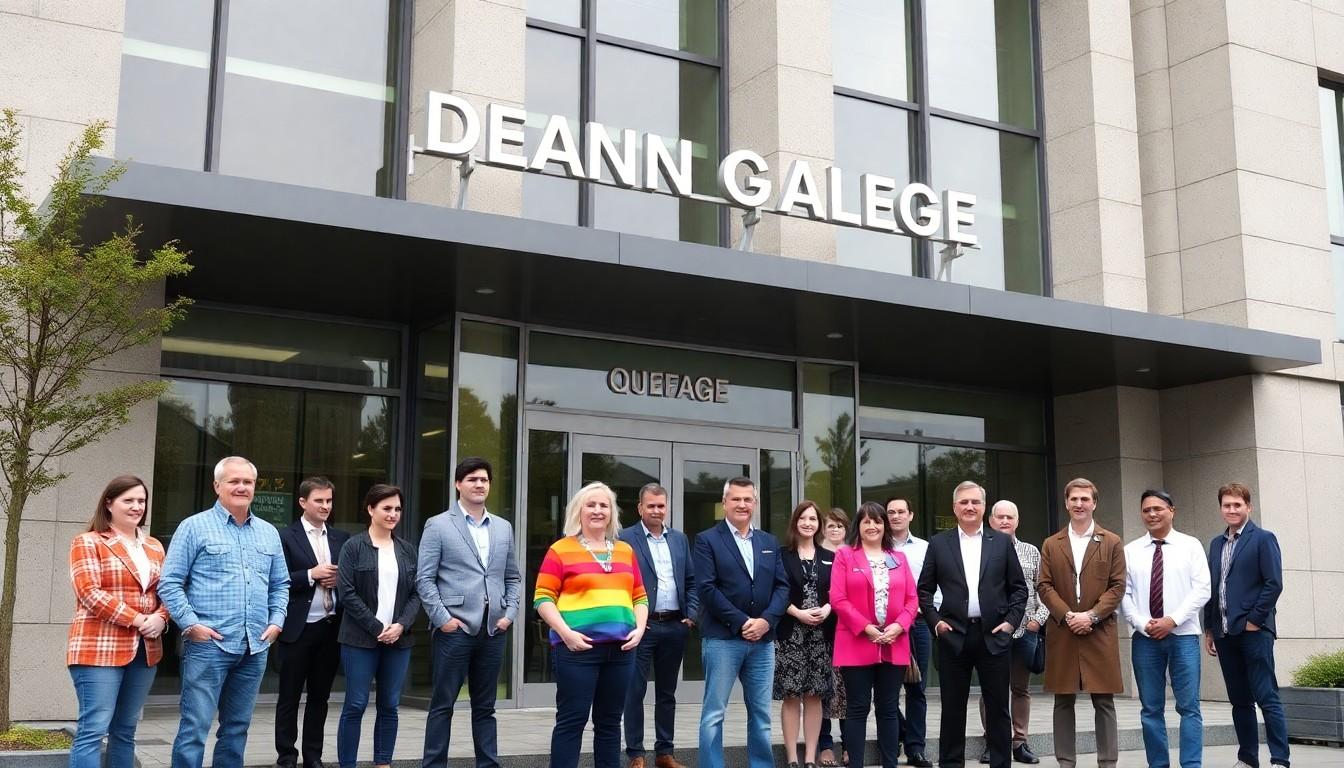
Reporters are tracking a sharp rise in online hate aimed at LGBTQ political candidates in Quebec, where social feeds are shaping campaigns and safety concerns are rising; this matters because abuse can silence voices, distort elections and deter diverse people from running.
Essential Takeaways
- Rising online abuse: LGBTQ candidates in Quebec report a noticeable uptick in hateful comments, threats and targeted campaigns on social media.
- Tactics vary: Harassment ranges from insults and doxxing-style threats to co-ordinated sharing of misleading content that aims to discredit candidates.
- Platforms struggle: Candidates say site moderation tools and page filters often feel inadequate, forcing some to close accounts or step back from engagement.
- Real effects: The emotional toll and security risks are real , some candidates scale back grassroots work or avoid public events, which changes the look of local democracy.
- What helps: Practical steps like clear reporting pathways, digital literacy for teams, and solidarity from parties and community groups reduce harm.
A wave of hate that smells like déjà vu
There’s a raw, immediate quality to online attacks: comments pile up quickly, and they feel louder because they live on feeds your supporters and opponents alike can see. According to local reporting, several LGBTQ candidates in Quebec have experienced this surge and described it as both constant and targeted. Journalists and advocacy groups are sounding the alarm that what happens online is now a central part of campaign safety and reputation management.
The trend isn’t emerging from nowhere. Research and election observers have long argued that social media lowers the barrier to harassment and amplifies extreme voices. That means campaigns must think like media operations as well as political machines, and candidates without robust digital support can find themselves overwhelmed.
Platforms, filters and the decision to disconnect
A practical consequence has been candidates closing or limiting Facebook pages, citing an inability to filter hate-filled posts. The move is blunt but understandable: if moderation tools don’t catch coordinated attacks or if reporting goes unanswered, staying online can feel like a liability rather than an asset.
Parties and campaign teams need playbooks for this. Simple measures , appointing a digital responder, using pre moderation for comments, archiving threats for police, and setting clear page rules , help. And when a platform fails repeatedly, stepping back from that channel can protect a campaign’s wider reputation and its people.
How harassment is weaponised in local politics
Harassment frequently isn’t random. It’s strategic: a mix of insults, misleading memes and calls to target a candidate’s personal life aims to sway undecided voters and catalyse outrage. Studies of campaign contexts show LGBTQ candidates are often made into “sacrificial lambs” of culture-war messaging, where gender and sexual identity become the issue rather than policy.
This isn’t just theory. Coverage from other cities shows coordinated tactics ahead of key votes or debates. Knowing the pattern helps campaigns prepare , expect spikes around debates, endorsements and local controversies, and plan staffing accordingly.
The human cost and its ripple effects
Beyond headlines, there’s a real human cost. Candidates report stress, sleep loss and fear for personal safety. Those consequences ripple into who chooses to run next time: prospective candidates may opt out rather than endure harassment, which narrows representation at exactly the moment democracy needs breadth.
Community support matters here. Public statements from party leaders, rapid-response legal advice, and visible solidarity from civic groups make a difference. They remind voters that attacks are on the candidate’s character rather than on democratic debate.
Steps parties, platforms and voters can take right now
Practical changes are possible and often simple. Parties should fund basic digital-security training and rapid-response teams for candidates. Platforms must improve reporting transparency and speed, and offer better tools for community moderation. Voters can push back too: flag abusive content, amplify factual reporting, and support candidates who face unfair attacks.
If you’re a campaign volunteer, start by cataloguing abuse, saving screenshots and contacting local police if threats cross into criminal behaviour. If you’re a voter, consider the impact of sharing viral claims without checking sources , online shares give abusive content oxygen.
It's a small change that can make every campaign safer and every voice more likely to be heard.
Source Reference Map
Story idea inspired by: [1]
Sources by paragraph: