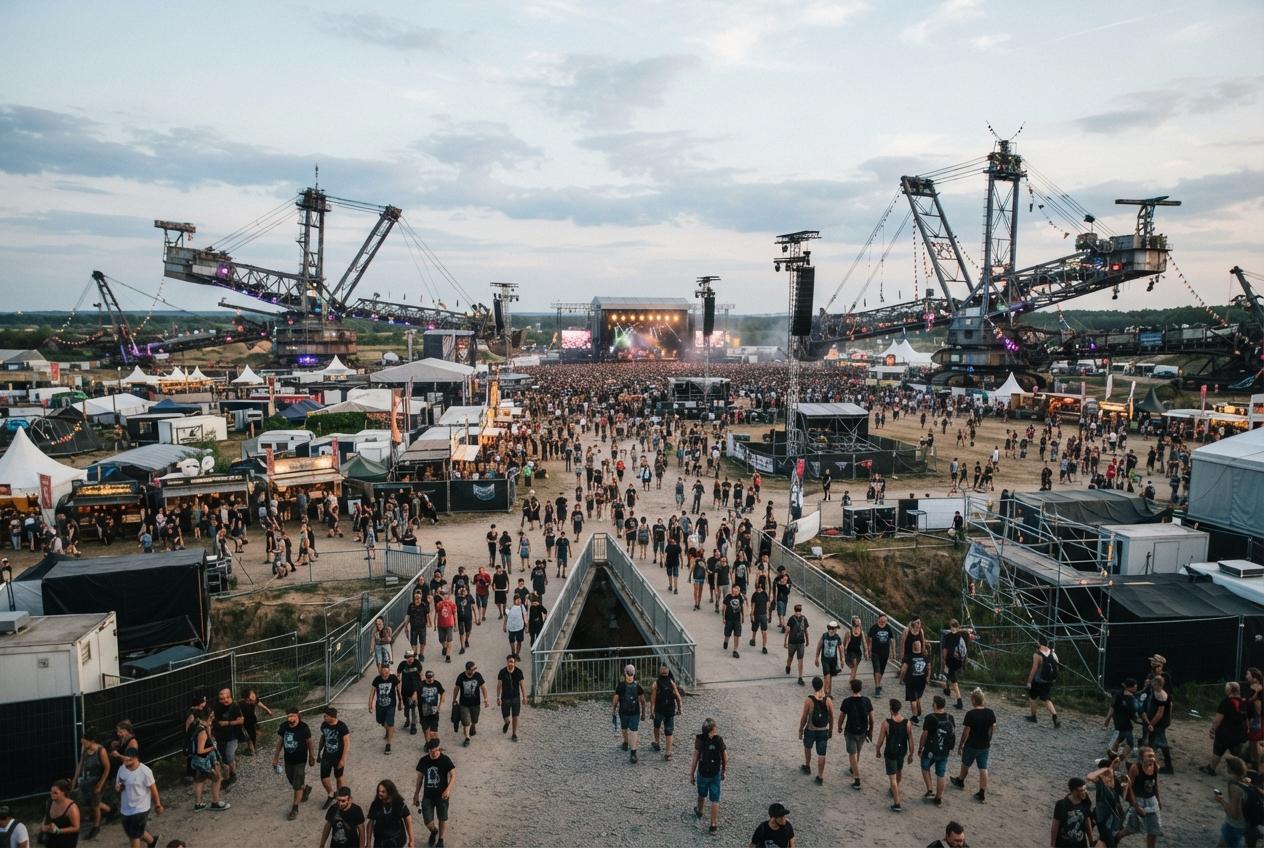
Shoppers of experience are flocking to Ferropolis each summer , thousands of queers gather for Whole Festival to dance, experiment with gender and leave with small, powerful practices that travel home. Photographer Yago Barbosa’s images and voices from the site show why this space matters and how to keep that feeling alive afterward.
Essential Takeaways
- Festival setting: Whole Festival takes place at Ferropolis, a former industrial site outside Berlin, offering a dramatic, open-air backdrop.
- Visible freedom: Attendees report relaxed bodies, bolder outfits and a softer gaze , it feels easier to be “bigger, fuller and more colourful.”
- Practical carry-ons: Tiny gestures like painted nails, favourite lingerie or saying pronouns quietly can help sustain that freedom at home.
- Community pockets: Many seek out smaller “cracks” and queer corners where belonging and safety are concentrated.
- Not utopia, rehearsal: The festival is framed as a rehearsal space for being oneself rather than a permanent escape.
Why Ferropolis suits Whole: industrial romance meets queer joy
Ferropolis is a hulking, cinematic backdrop , rusty cranes, wide skies and the memory of heavy industry , which makes the colour and texture of Whole feel deliberately alive. The contrast of bright outfits against iron silhouettes reads like a manifesto: the place was built for one purpose and now holds another, which is pleasingly subversive. According to the festival’s own pages, that reimagining of space is part of its identity, and it shows in how people loosen up as soon as they arrive.
Festival-goers say the landscape helps them shed everyday roles: the commute, the office, the family script. That loosening isn’t just theatrical; it’s tactile , the air feels different, steps become lighter, conversations open up. If you’re planning a visit, consider packing a few symbolic pieces you love; they’ll work like anchors when you want to bring the mood back home.
What people actually do there: clothes, bodies and tiny rebellions
Visitors talk about trying on versions of themselves , bigger, more colourful, softer or more overtly feminine , without the usual pressure to explain. There’s a practical freedom in this: skirts for someone who usually wears trousers, nail polish under a work suit, or a midweek pronoun card slipped into a wallet. These small choices are easy to rehearse at a festival and even easier to keep as private affirmations afterwards.
Reporters and attendees alike note the importance of “cracks” , quieter pockets away from main stages where more vulnerable socialising happens. Those corners often become practice grounds for boundary-testing and gentle self-reminders. If you’re wondering how to begin, start tiny: one accessory, one sentence of introduction, one night in a queer bar where the pace feels right.
Safety and belonging: a temporary reprieve with lasting effects
Part of Whole’s power is the sense that harassment is less likely, and that simple freedom , walking without looking over your shoulder , changes how people move. Coverage from cultural outlets has highlighted this safety element, and attendees reflect on the relief that comes from not anticipating a rude comment. That relief is liberating in a practical sense: it lets bodies relax, voices get louder and connections deepen.
But freedom at Whole isn’t naive; it’s deliberately framed as a rehearsal. Many speak of returning to the outside world aware of the borders that linger, yet better equipped to test them. Small rituals adopted at the festival become tools: a morning manicure, a pocket photo of friends, a rehearsed line for workplace introductions.
How to carry Whole’s lessons into everyday life
Turning festival feeling into daily habit doesn’t require grand gestures. Practise a few repeatable acts that signal ownership: a piece of jewellery you can wear to work, a pronoun statement in your email signature, or a quick check-in with a friend after a challenging day. Those tiny markers are useful because they’re discreet, repeatable and emotionally reassuring.
Community matters too. Seek out those “cracks” locally , queer nights, small collectives, informal meet-ups , where you can practice without the weight of spectacle. And remember that it’s okay to scale changes: Levi’s gradual introduction of pronouns and wardrobe choices at work shows change is often slow and cumulative, not an overnight overhaul.
Why the festival matters beyond three days of music
The charm of Whole is not that it mockingly promises a permanent utopia, but that it provides a vivid reminder another way of being is possible. Festival organisers and attendees frame it as a focal point in the queer calendar where personal storylines converge and renew. That convergence is practical too: it supplies memories, strategies and social contacts that people can call on when the outside world reasserts its old rules.
Photographs by Yago Barbosa and conversations recorded at the festival capture more than outfits; they capture little operational hacks for living more wholly. Keep a ritual, keep a friend, keep the memory of one relaxed morning in Ferropolis , that’s where the work of wholeness often begins.
It's a small change that can make every day feel more like the weekend at Ferropolis.
Source Reference Map
Story idea inspired by: [1]
Sources by paragraph: