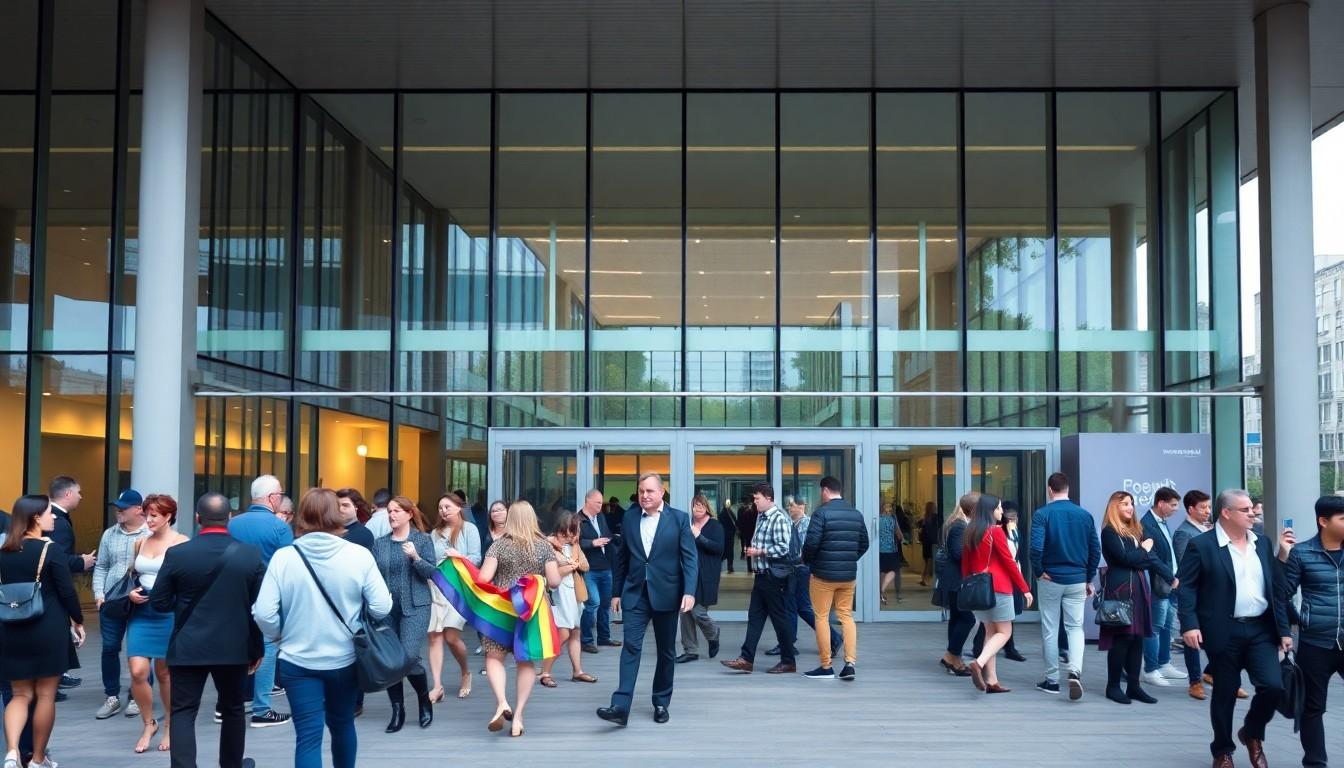
Shoppers, tourists and activists flocked to Amsterdam for WorldPride, bringing hundreds of thousands of visitors from more than a hundred nationalities; the festival combined raucous celebration with protest, offered moments of solidarity and safety, and reminded the world why public pride still matters.
Essential Takeaways
- Huge turnout: Hundreds of thousands attended WorldPride, with over a hundred nationalities present, creating a vivid, international atmosphere.
- Mix of party and protest: Highlights included the Canal Parade with 80 boats and a protest march addressing rising global threats to LGBTQ+ rights.
- High-profile support: Queen Máxima opened the event and politicians, including the prime minister, took visible roles, amplifying the message of equality.
- Safety and incidents: Organisers reported no major violent incidents, though a reporting point logged nearly 500 complaints of harassment or discrimination.
- Human stories: Visitors ranged from activists to Pride tourists; many said Amsterdam felt welcoming, though some experienced abuse on the streets.
A festival that felt both joyful and urgent
WorldPride in Amsterdam pulsed with colour, music and a fierce sense of purpose; you could feel it in the way crowds drifted across the Museumplein and along the canals, flags snapping in the wind. The city hosted hundreds of thousands of people from across the globe, which turned familiar streets into a bright, bilingual celebration. Organisers called it “waanzinnig mooi” , a wildly successful two weeks that combined carnival energy with serious human-rights work.
The atmosphere mattered because WorldPride wasn’t just a party; it was a statement. From opening speeches to late-night dancing, the event broadcast a message: inclusion matters. For visitors from places where being queer is criminalised, Amsterdam offered a rare and visible refuge.
Where celebration met protest: Canal Parade and the march
The Canal Parade was one of the visual centrepieces , 80 decorated boats drifting past canalside crowds, louder and larger than in past years. The parade doubled as a party and a protest, mixing glitter with banners calling for rights and protections. It was a moment when celebration and political demand sat side by side.
That balance is important. Events that entertain only can feel hollow; ones that protest only can feel grim. WorldPride showed both can coexist , and draw attention. The presence of senior politicians on the boats made the protest part feel louder still.
High-profile backing gave gravitas
When Queen Máxima opened the festival, it sent a clear signal: this is a national story as much as an international one. Political figures, including the prime minister, were visible during key moments, which amplified calls for equality beyond the parade route. For many attendees that endorsement felt validating and helped international visitors broadcast the event back home.
Official attention also draws scrutiny and responsibility. It puts pressure on local authorities to ensure safety and to listen to the stories shared at conferences and village hubs during the week.
Safety: mostly peaceful but not without problems
Organisers and police reported no large, violent incidents during WorldPride , an encouraging outcome given the size of the crowds. Still, a reporting desk that tracked harassment received roughly 480–500 notifications of discrimination, abuse or targeting. That’s a reminder the experience wasn’t universal: many felt safe and elated, others reported being shouted at or targeted.
For visitors and hosts, that means preparation and solidarity matter. Walk with friends, know where help points are, and join public marches , numbers make people feel safer. Cities hosting similar events should treat reporting services as essential, not optional.
People’s stories made the event hit home
Among the throng were repeat Pride-goers, activists and people escaping hostile environments. An American trans woman told reporters she’d fled states where bathroom laws could land her in legal trouble, and that Amsterdam felt like a balm despite a few catcalls. A Namibian activist spoke about winning hearts and minds; a US couple called themselves Pride hunters, savouring the chance to hold hands openly after hiding their relationship abroad.
Those human vignettes turned statistics into empathy. They remind you that WorldPride’s value isn’t just headline numbers; it’s the moments of relief, confrontation and connection that individuals carry home.
It's a small change that can make every celebration safer and more meaningful.
Source Reference Map
Story idea inspired by: [1]
Sources by paragraph: