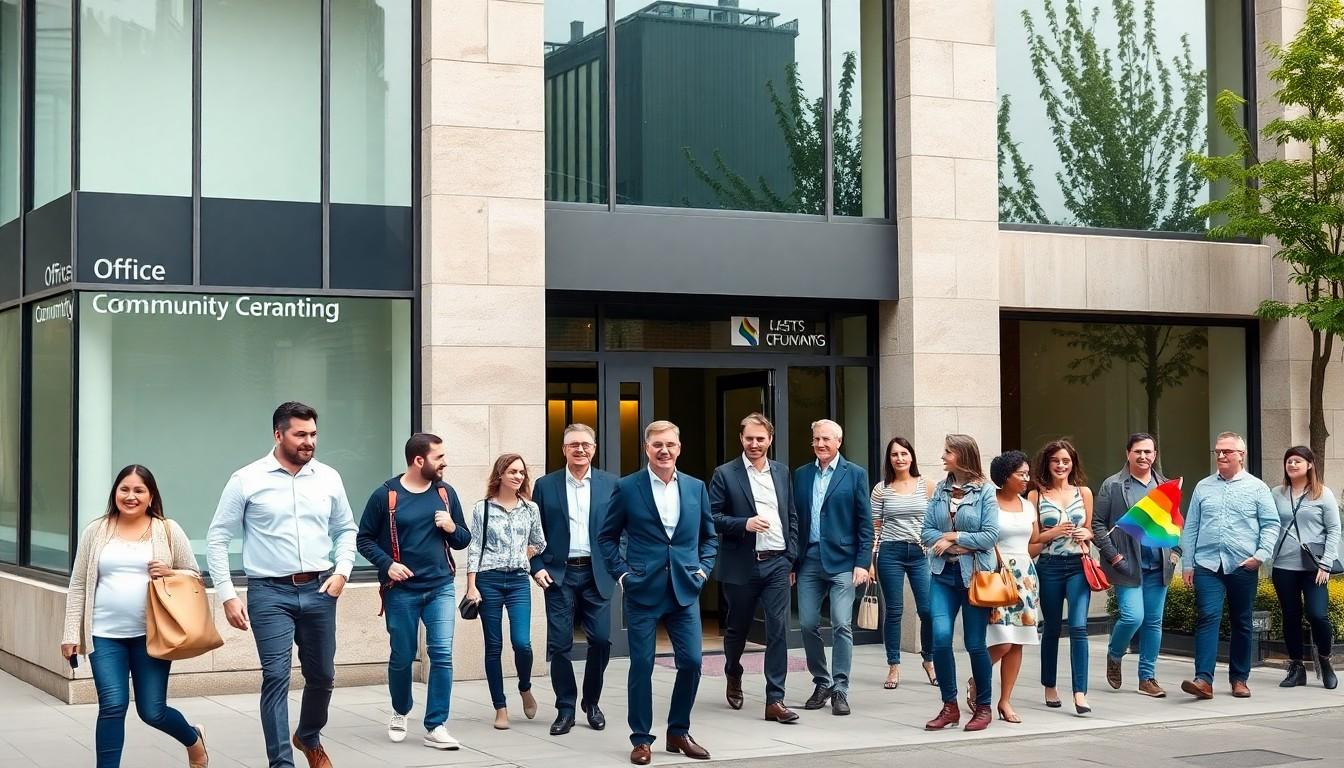
Shoppers, activists and creatives are already pitching in as London bids to host WorldPride in 2032, marking 60 years since the city’s first official Pride march , a campaign that matters because it ties history, community and global visibility into one massive celebration.
Essential Takeaways
- Who’s leading it: Pride in London is co-leading the WorldPride 2032 bid with Outernet and UK Black Pride.
- Creative call-out: A logo design contest and a global photography campaign invite public submissions; the logo winner gets £3,000.
- Historic context: The bid coincides with the 60th anniversary of London’s first Pride march and leans on archive photography to tell the story.
- Support network: The bid has backing from major local partners including The Independent, The Standard, the Mayor of London and TripAdvisor.
- Community focus: Organisers emphasise community-shaped programming and representation, aiming for an inclusive, international festival.
London wants to host the world’s biggest Pride , and it’s making it a community project
London’s WorldPride 2032 bid is being rolled out as a public, creative moment rather than a top-down pitch, with thousands of photos and a logo contest already announced. The launch at a reception in Amsterdam tied the effort to the current WorldPride festivities and made the bid feel immediate and sensory , think bright screens, busy crowds and a mosaic of portraits. According to organisers, that communal energy is deliberate: they want people to help shape the visuals and voice of a potential decade-defining festival. If you’re thinking of entering, aim for imagery and design that feel authentic and versatile for large-format display.
A design and photography drive to tell Pride’s story
The bid has opened two clear channels for public participation: submit a logo or a photograph celebrating identity and belonging. The winning logo will be revealed on Outernet London’s giant digital screens, and archived images from national publications will be woven into a living mosaic. That approach links past to future , it’s a visual bridge between early demonstrations and today’s huge marches. Practically, creatives should check the Pride in London website for specs and deadlines; photographers should submit high-resolution files if they want their work to scale up for public installations.
Why 2032 matters , a 60th anniversary moment
The bid is timed to coincide with a major milestone in London’s LGBTQ+ history: the anniversary of the city’s early Pride march. This gives the campaign a narrative anchor and a reason to curate archive material alongside new community images. Using decades of coverage helps show how queer visibility has shifted, from small, urgent protests to sprawling public festivals. For campaigners, the anniversary is a chance to reflect on wins and unfinished business while showing a global audience what London’s movement looks like now.
Partnerships give the bid reach , and a few advantages
Media partnerships and civic backers matter; The Independent and The Standard are supplying archive photography and editorial support, while the Mayor of London and travel platforms like TripAdvisor lend civic weight and logistical reach. Those relationships can help turn design concepts into city-wide experiences and attract international visitors. If WorldPride 2032 comes to London, expect programming that spans museum shows, parade routes, public art and tourism tie-ins , which means thinking early about accessibility, transport and community-led safety.
What this bid signals for Pride culture and the city
A successful WorldPride would be more than a parade; it’s a chance to centre UK queer histories on the international stage and to amplify underrepresented communities. Organisers are explicitly inviting Black, trans and intersectional voices into the leadership of the bid, which suggests programming that won’t just repeat familiar line-ups. For attendees and activists, that’s a hopeful sign , though it also raises the practical question of funding community-led projects and ensuring benefits flow to grassroots organisations. The next few years will show whether the bid turns rhetoric into resourcing and real opportunities.
It’s a small creative step now, but if it succeeds, London’s WorldPride could be a landmark moment for community, history and global solidarity.
Source Reference Map
Story idea inspired by: [1]
Sources by paragraph: