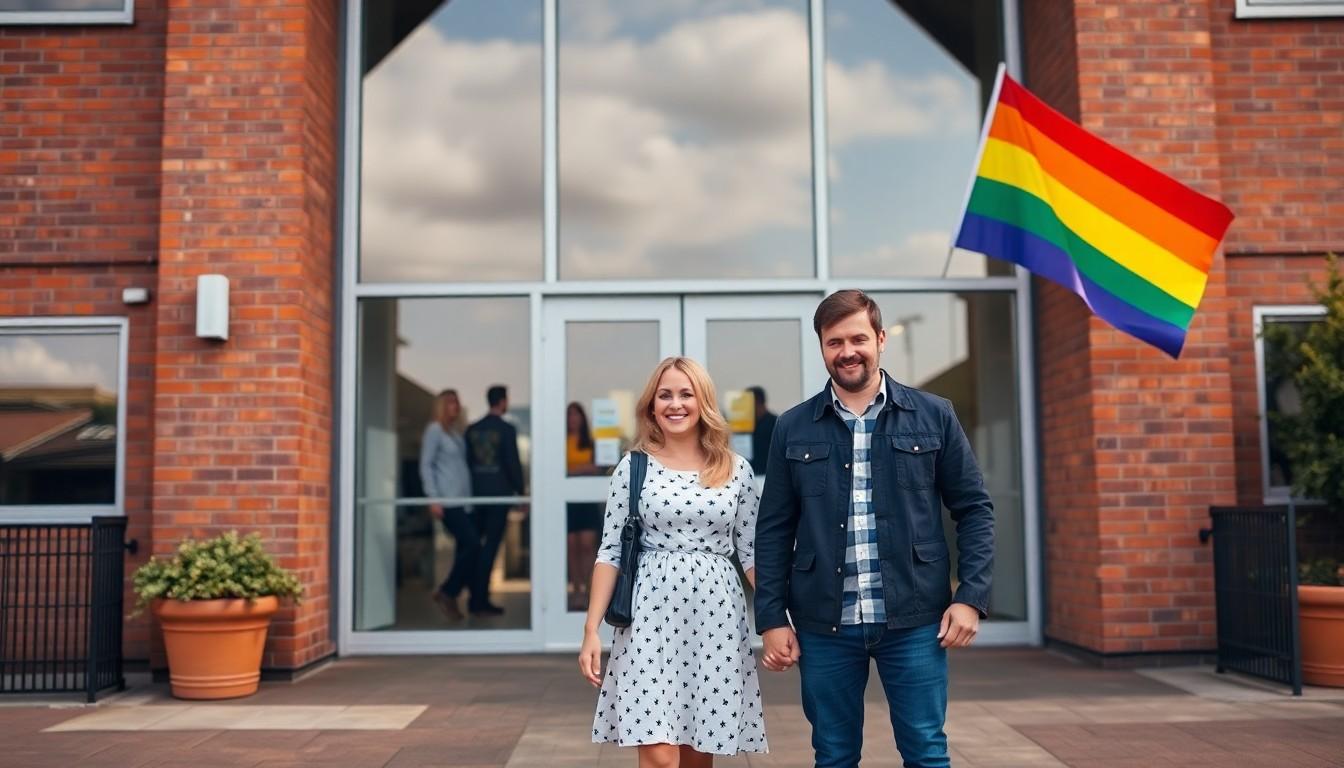
Shocked and steady, a Leigh couple’s wedding photos sparked a wave of dehumanising homophobic abuse , and their response explains exactly why Pride events like Wigan Pride still matter for families, safety and simple human dignity.
Essential Takeaways
- Public attack: A Leigh couple received hundreds of abusive comments after posting their wedding images, leaving them shaken but supported.
- Family focus: The pair stressed they’re parents raising a son and that attacks questioning their parenting felt deeply hurtful and dehumanising.
- Pride’s role: Wigan Pride offers a visible, celebratory space where LGBTQ+ families can feel safer to be themselves.
- Community response: The couple say messages of love balanced the hate and reinforced why public solidarity matters.
- Event details: Wigan Pride, backed by Wigan Council, runs with a parade and stage events on Saturday, August 8.
Why a wedding photo still needs defending
It’s hard to imagine sharing wedding snaps and being met with hundreds of hateful replies, but that’s exactly what happened to Steven and Conor Bonilla Graham-Darby from Leigh after they posted images from their Liverpool ceremony. The surprise and hurt are obvious , your happiest day turned, in a click, into something heavy and personal. The couple say the torrent of comments made them feel like they were “drowning in negativity” after celebrating 15 years together.
Their reaction was to speak up rather than shrink away. Steven, a floral designer, argued the photos were an artistic expression and that posting them doesn’t imply consent to be attacked. That line , posting love is not an invitation to abuse , is simple but powerful, and it’s why the couple wanted to highlight the point publicly.
What the abuse reveals about daily life for LGBTQ+ families
There’s a practical sting to many of the comments: insults that go beyond opinion to question fitness as parents, or to smear two-dad households with accusations that cut to the bone. Those accusations aren’t abstract , they change the way people move through their neighbourhoods, run businesses and hold hands in public. Steven said the experience made him wonder whether it was safe to open his shop if people knew where he worked.
This is why Pride isn’t just a party. It’s a counterweight to the small, persistent ways prejudice tries to normalise exclusion. The couple’s account shows how online and offline hostility feeds fear and isolation, but also how visibility and community can blunt that.
Wigan Pride: a real-world refuge and celebration
Wigan Pride, supported by Wigan Council and running on August 8, offers something very practical: a space where families like Steven and Conor’s can walk hand in hand without bracing for abuse. Events include a parade and stages with performers and community groups , and for an afternoon, the town turns into a place of celebration rather than a battleground.
Local groups are already recruiting performers and building programming, and listings on regional event guides show the festival is growing. For many people, seeing families like theirs celebrated publicly is a profound relief; for children, it’s an early lesson that difference can be normal and joyful.
How supporters and relatives can help after incidents like this
If you want to support people who face online hate, choose small, practical things: leave positive comments under posts, report abusive content to the platform, and if you’re local, turn up to community events. Businesses and councils can also play a role by publicly backing Pride and ensuring events are well promoted and safe.
And if you’re debating why Pride still exists, listen to the people who live the answer: it’s where they don’t have to explain themselves, where their son can look around and feel seen, and where a community says loudly that hate won’t have the last word.
A human note on visibility and safety
There’s no single solution to online hatred, but visibility, solidarity and celebration are small, stubborn acts of resistance. The Bonilla Graham-Darbys’ story is painful to read, but the love and support they also received is worth noting. For one day in Wigan, and in many towns across the country, Pride offers a chance to turn that tide.
It’s a small change that can make every walk, handshake and wedding photo a little safer.
Source Reference Map
Story idea inspired by: [1]
Sources by paragraph: