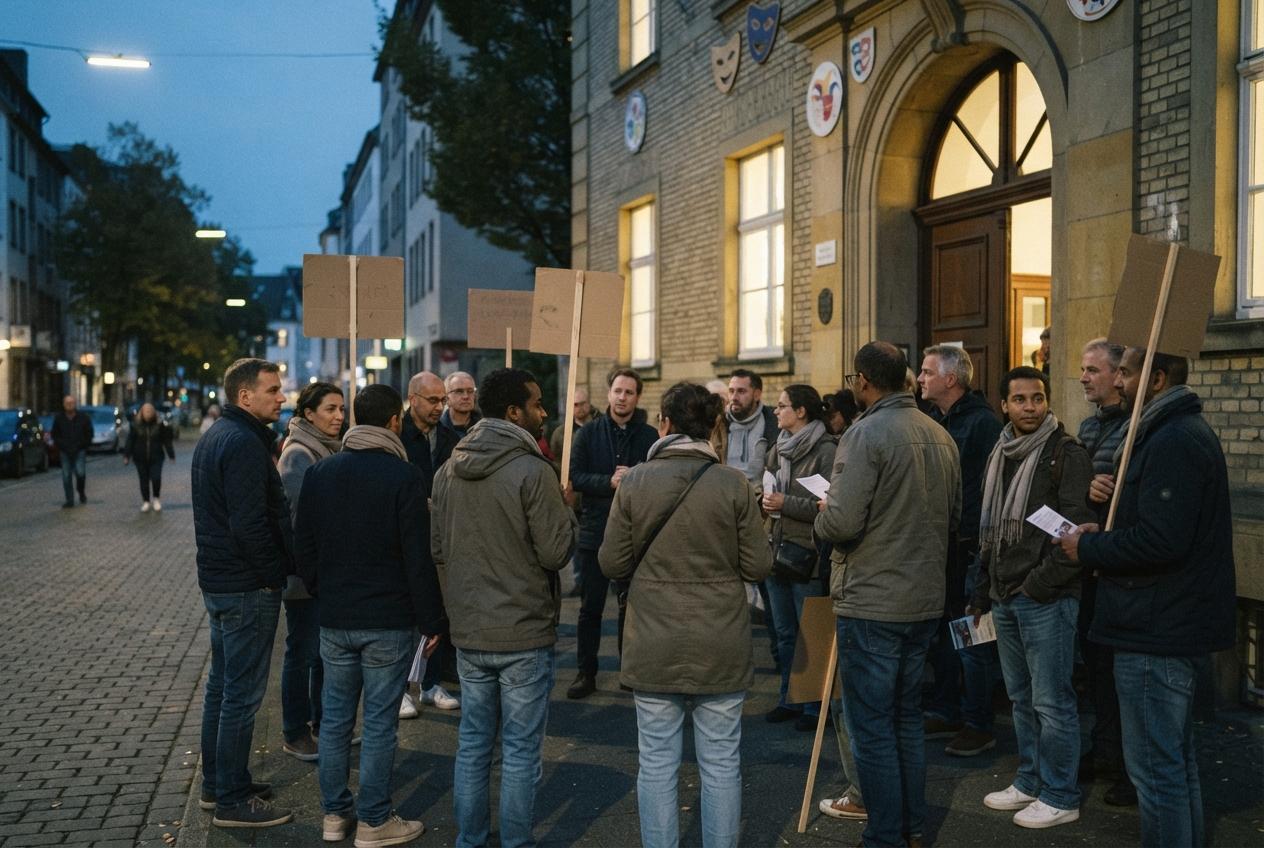
Shoppers and revellers alike are rallying: a traditional Cologne carnival society, local performers and national celebrities joined forces to back the Kölner Queer March, a visible, heartfelt response to the Islamist, queer‑phobic attack on Berlin’s CSD, and a reminder that the city won’t let fear steal its joy.
Essential Takeaways
- Strong local show of support: A century‑old carnival society, the KG Sr. Tollität Luftflotte, used its regular gathering to publicly back the Queer March, showing "tolerance, heart and integration."
- Community turnout: More than 70 Luftflotte members plus friends met for a low‑key solidarity event under the slogan “Live as you want, love who you want,” with a warm, communal atmosphere.
- High‑profile backing: Prominent figures including Carolin Kebekus, Lukas Sauer and Fatih Çevikkollu publicly supported the march, boosting visibility and signalling cross‑community unity.
- A civic, not party, message: Organisers stressed the march is a statement of values and safety rather than a festival, urging the whole city, families, carnival groups and neighbours, to join.
- Practical spirit: The Luftflotte called for quiet conviction over spectacle, aiming to comfort those frightened and to invite everyone to stand together.
A carnival society sets the tone , quiet, firm and human
The strongest image from the weekend was deliberately calm: members of KG Sr. Tollität Luftflotte gathering for a regular Stammtisch that turned into a solidarity moment, the room smelling faintly of coffee and conversation rather than banners and drums. According to local reporting, the group felt a normal social evening wouldn’t fit after the Berlin attack, so they chose to make a small but sincere gesture for tolerance and integration. That mix of tradition and conscience matters in Cologne, where carnival groups often function as civic touchstones beyond the party season.
Why the Luftflotte’s move is more than ceremonial
This isn’t the first time the Luftflotte has been visible in the city’s life , the society recently marked its 100th year and has long links across Cologne. But members say turning a private club night into a message about safety and solidarity was a deliberate choice. The mood was humble rather than performative: no grand staging, just people who felt moved to act. For anyone wondering whether symbolic gestures matter, the answer is yes , they signal to frightened communities that they’re seen and supported.
Celebrities join, widening the invitation
Cologne’s march drew help from familiar public voices. Comedian Carolin Kebekus called the event the region’s response to the Berlin attack, while actor Lukas Sauer urged people not to carry on as if nothing had happened. Kabarettist Fatih Çevikkollu and singer Marcella Rockefeller added their names and presence, meaning the appeal reached beyond the queer scene into mainstream cultural life. When well‑known figures lend their profiles, it helps normalise participation: families and carnival clubs are more likely to turn up when they see a broad civic chorus.
What organisers asked of the city , and why it matters
Organisers repeatedly framed the march as a moral, not merely celebratory, action. They asked carnival colleagues, neighbours and everyday families to come along, “Schmitz, Müller and Meier,” as one speaker put it, because safety and dignity aren’t niche concerns. Practically, that means a march where people can hold hands without fear and where the city’s social fabric is visibly intact. For anyone considering whether to turn up: the message was clear, your presence counts, even if you’re not part of the queer community.
Small gestures, steady impact: how to support beyond the march
Support can look quiet. Attend the march, listen to survivors, or join local groups that help queer residents feel safe all year round. If you run or belong to a carnival society, consider putting an episode of your calendar under the banner of inclusion. And if you’re an onlooker, bringing friends and family sends the clearest signal: Cologne stands together. These small acts help rebuild confidence after a trauma and keep the city’s spirit intact.
It's a small change that can make every step in public feel safer.
Source Reference Map
Story idea inspired by: [1]
Sources by paragraph: