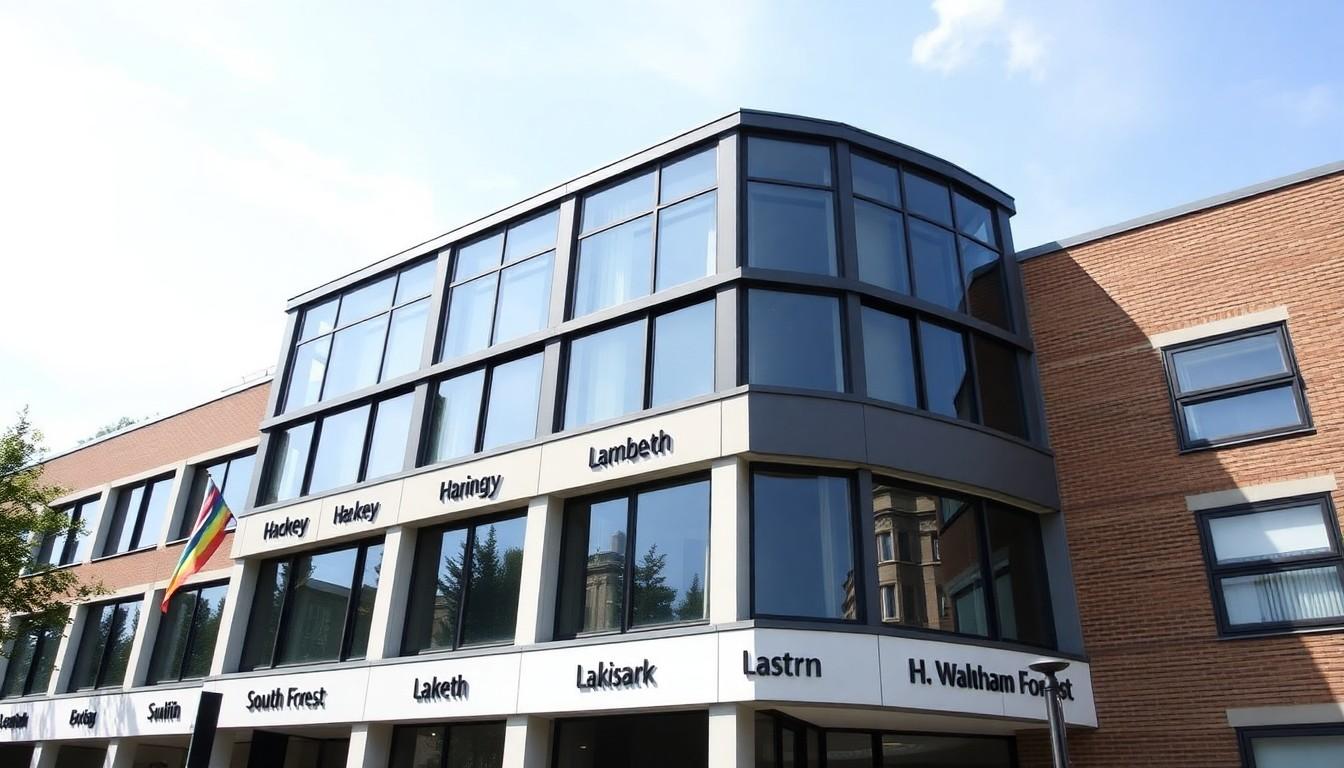
Shocked by a new Equality and Human Rights Commission code, six London boroughs have pledged to protect trans, non-binary and intersex residents , and warned the government that the guidance risks excluding people from everyday services like gyms, libraries and leisure centres. This matters for more than 1.7 million Londoners who rely on inclusive local services.
Essential Takeaways
- Who’s involved: Leaders in Hackney, Haringey, Lambeth, Lewisham, Southwark and Waltham Forest have signed a joint commitment to back trans+ residents.
- Main concern: Councils say the revised EHRC code could be used to exclude trans people from single-sex services, creating confusion for staff.
- Local action: Boroughs are reviewing internal policies to keep services welcoming, practical and safe.
- Emotional reality: Leaders describe the changes as feeling like an “attack” on already marginalised communities; the tone is urgent and protective.
- Government position: Ministers argue the code clarifies providers’ duties and that broader protections for trans people remain in place.
Why six boroughs are publicly pushing back
This is notable because local leaders rarely unite on national guidance so visibly. The mayors and councillors from Hackney, Haringey, Lambeth, Lewisham, Southwark and Waltham Forest say the updated EHRC code will, in practice, make it easier to exclude trans+ people from public services , and that’s a red line for them. The pledge reads like a promise to keep doors open and staff supported, with a practical edge: councils are already reviewing how they deliver services to avoid accidental discrimination.
Councils with large LGBTQ+ communities are particularly sensitive to small wording changes that have big effects on daily life. According to local statements, the move is about dignity: ensuring trans people can access spaces and services without feeling policed or unsafe.
What the EHRC update actually changes , and why some see it as unclear
The EHRC revised its guidance on how laws around single-sex spaces and equality are interpreted by service providers, and that has split opinion. Supporters say it brings clarity for gyms, leisure centres and organisations that run single-sex services; critics argue the wording leaves loopholes that could be used to push trans people out.
For service staff, the worry is practical: how to balance legal duties, patron safety, and fairness without a clear playbook. That’s why boroughs are saying: don’t put our frontline teams in a position where they might unintentionally discriminate. Expect more local guidance and training as councils translate national rules into everyday practice.
How London councils plan to keep services inclusive
The six boroughs have committed to concrete steps: auditing internal practices, reworking guidance for staff, and making sure facilities remain accessible. That’s the sensible, hands-on response , tweak signage, review changing-room management plans, and ensure complaint routes are clear.
If you’re a resident who uses local leisure services, the practical sign to watch for is changes to booking systems or staff training notices. Councils say these reviews are about preventing exclusion, not undermining anyone’s safety, and that’s the message they’re taking to communities.
Politics, public feeling and the human impact
This row isn’t just technical , it’s political and emotional. Local leaders framed the code as an affront to people already facing rising discrimination and said the government must clarify how the guidance should not be used to curb access. Ministers, for their part, maintain they want to protect single-sex spaces while upholding anti-discrimination laws, and point to other measures aimed at trans protections.
For residents, the stakes are personal: access to a gym, a library, or a support group can be a lifeline. Borough leaders are signalling that they’ll prioritise keeping those lifelines intact, even as national debate rumbles on.
What you can do and what to expect next
If you use council services, watch for updates from your local authority about policy reviews or new staff training. If you’re concerned, reach out to your council’s equality or community teams; they’re the ones translating guidance into practice. Councils have also encouraged people affected to use local support services , a reminder that policy changes ripple into everyday lives.
Expect continued dialogue between local authorities and ministers, plus possible appeals for clearer wording from the government. Meanwhile, boroughs say they’ll keep revising practices so inclusion remains the default.
It's a small change in wording with big consequences , and local leaders are making sure their communities won't be left to sort it out alone.
Source Reference Map
Story idea inspired by: [1]
Sources by paragraph: