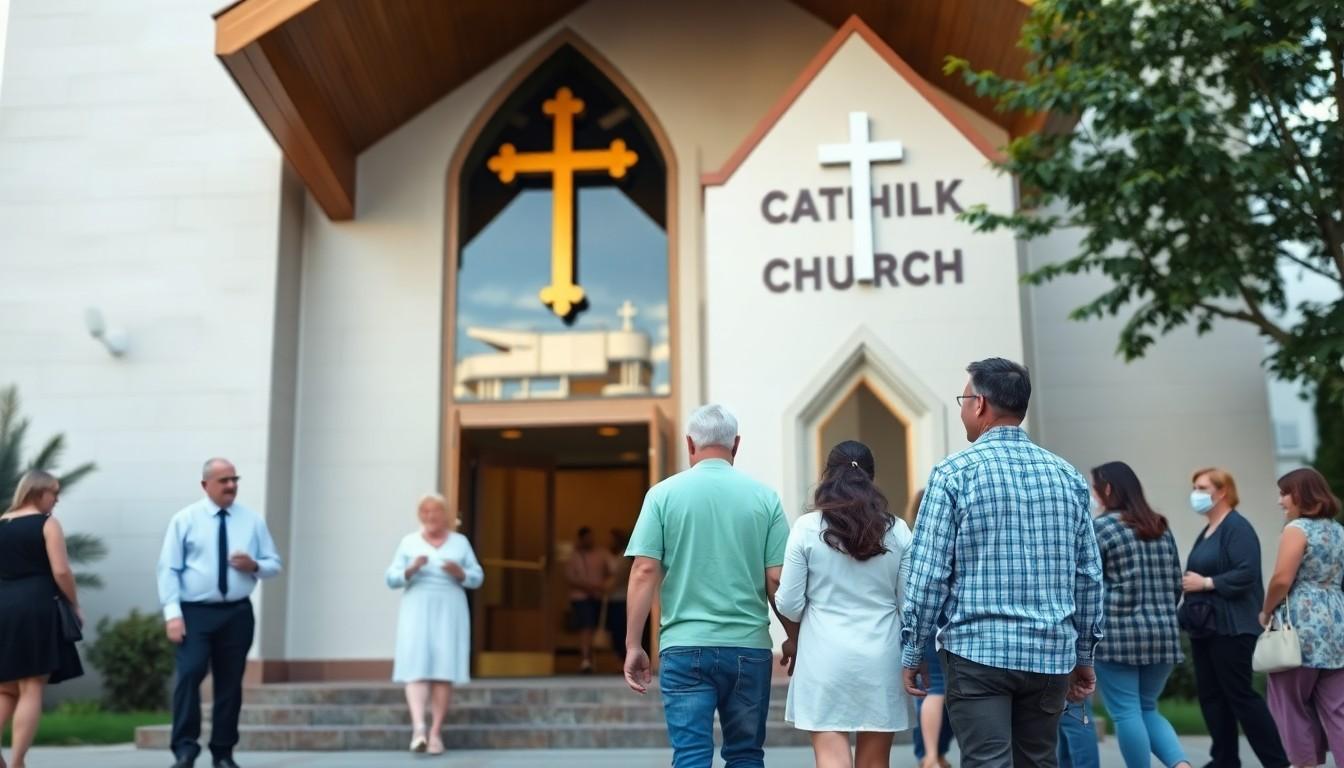
Shoppers of conscience are noticing a shift: clergy and congregations in Germany are debating what it means for parishes to be genuinely welcoming to queer people, and why creating safe spaces matters for faith communities and individuals alike. This matters because it shapes who can belong without fear, and how the Church lives its message locally.
Essential Takeaways
- Clear call: A German auxiliary bishop has publicly urged Catholic parishes to become safe, welcoming places for queer people.
- Moral framing: He argues the Church must repent where prejudice, mistrust, or rejection have kept people away.
- Practical asks: The bishop wants respectful language, open communities and pastoral care that protects rather than judges.
- Wider context: The plea follows a violent, queer-targeted attack in Berlin and joins broader debates within the global Church.
- Emotional note: The message stresses dignity, belonging and the Gospel’s call to mercy and refuge.
A blunt prompt from an auxiliary bishop , and it sounds personal
Bishop Ludger Schepers of Essen didn’t sugarcoat it: the Church hasn’t always been a safe place for queer people, and that needs fixing. The line landed with a quietly serious tone , imagine a parish office that feels a little cooler and suddenly warmer when someone is acknowledged. Schepers, who serves as the Queer Commissioner for the German Bishops’ Conference, tied his remarks to a recent, high-profile violent attack in Berlin, arguing the moment demands reflection and action.
He framed his plea in straightforward pastoral language, saying repentance is necessary when Gospel mission becomes exclusion. That’s a powerful rhetorical move: he’s not offering a cultural concession but claiming a theological imperative. For priests and parish teams that want to respond, the easiest first step is to look at how people are spoken to and supported in the pews and pastoral records.
Why language and actions matter , small things make people stay or leave
Words are the first barrier or bridge. Schepers urged the Church to adopt language that respects rather than wounds, to open doors instead of building new barriers. That’s practical: visible changes like inclusive wording on websites, using people’s chosen names and pronouns in pastoral settings, and training volunteers to avoid hurtful phrases can make parishes feel less hostile overnight.
This isn’t a matter of one sermon or a policy memo. It’s about repeated, everyday practices. If a church wants to be a refuge, it needs consistent signals: the sign on the door, the tone of the welcome team, the warmth of a priest’s greeting. Those micro-actions add up into a parish reputation , either a safe harbour or a place to avoid.
Pastoral care that protects, not polices
Schepers went beyond symbolism and called for pastoral care that offers protective support instead of premature judgment. That means pastoral teams should be prepared to accompany people , listen, offer spiritual guidance, and refer to supportive services , rather than immediately pursue disciplinary or corrective routes.
In practical terms, parishes can map local resources, create confidential listening points, and make sure clergy know when to seek specialist help. This approach recognises the messy reality of people’s lives and trusts that compassionate accompaniment reflects the Church’s best instincts.
A broader conversation inside and outside the Church
The bishop’s statement also acknowledges a global problem: where cultural homophobia is strong, even Church voices can reinforce exclusion. He warned that the Church must be shaped by the Gospel, not by prevailing cultural prejudice. That places the debate in a larger context , it’s as much about theology and mission as it is about local parish life.
The remarks have been reported and discussed across German Catholic outlets and queer media, reflecting a lively public conversation rather than a closed clerical debate. For communities watching from elsewhere, it’s a reminder that local actions echo. Whether your diocese is considering training, public statements, or new pastoral pathways, the conversation used by one bishop may inspire others.
How parishes can start , a short, practical checklist
Start small and be consistent. Train greeters, audit parish literature for inclusive language, set up confidential pastoral support, and invite local queer groups to a listening session. Encourage clergy to preach about dignity and belonging, not just doctrine, and ensure safeguarding policies protect everyone from abuse and discrimination.
And remember: change rarely happens in one homily or one meeting. It’s the steady work of making ordinary parish life feel less risky for people who’ve often been told they don’t belong.
It's a small change that can make every person feel more at home.
Source Reference Map
Story idea inspired by: [1]
Sources by paragraph: