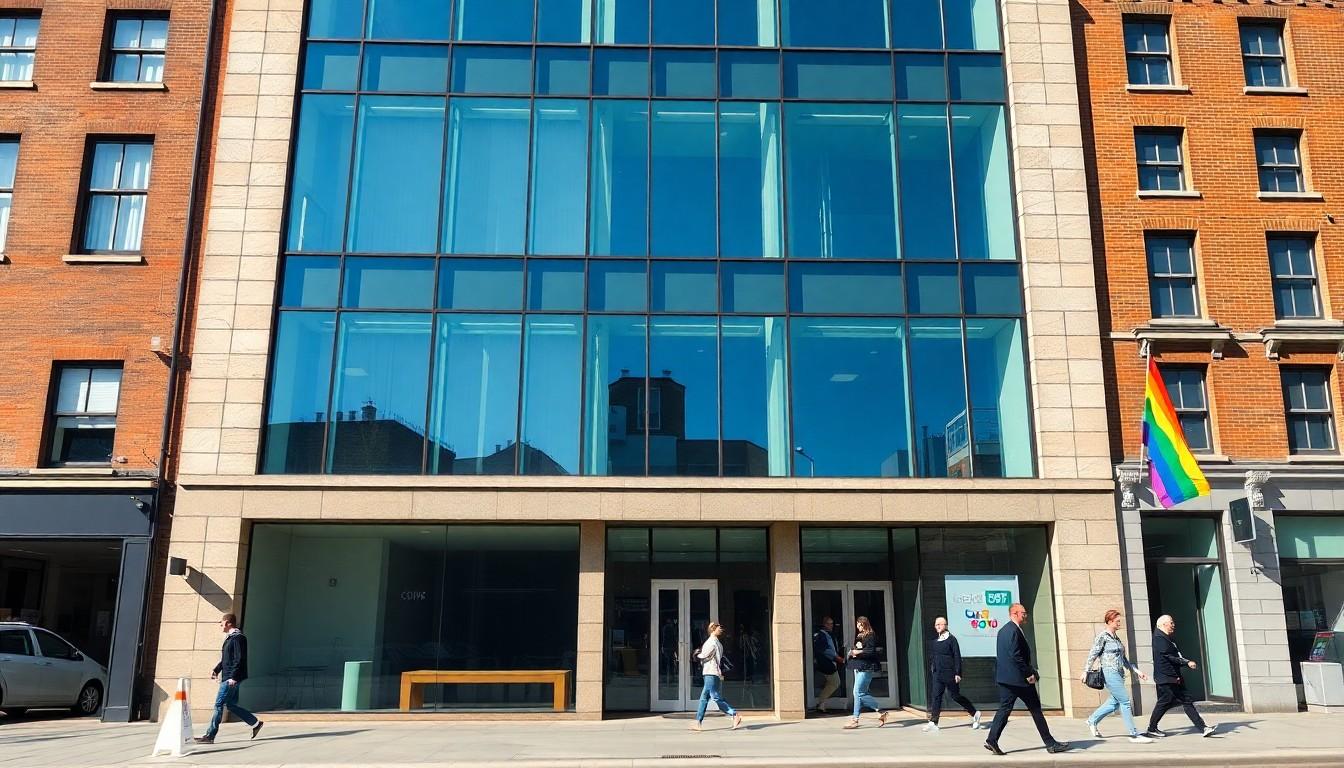
Shoppers, tourists and Londoners are watching as the capital gears up to bid for WorldPride 2032 , a bid backed by the mayor and cash to mark 60 years since the city’s first Pride. It’s a moment of celebration, reckoning and economic opportunity for a city that wants to lead on LGBTQIA+ rights.
Essential Takeaways
- Mayoral backing: Sadiq Khan has pledged funding and support to help London bid to host WorldPride in 2032, marking the 60th anniversary of the city’s first Pride.
- Community partners: Pride in London is leading the bid with support from groups such as UK Black Pride and Outernet, signalling a coalition approach.
- Economic boost: Previous WorldPrides, like Washington DC and Sydney, generated substantial visitor numbers and millions in local revenue , a selling point for London’s hospitality sector.
- Cultural moment: 2032 would tie into a wider narrative about how LGBTQIA+ Londoners shaped the city’s arts, sport and public life.
- Safety and solidarity: The bid follows recent attacks on Pride events in Europe and rising hate crime figures, so security and inclusivity are central talking points.
Why 2032 matters: a 60th anniversary with weight and wonder
The idea of staging WorldPride in 2032 isn’t just about flash and parties; it’s a deliberately timed bid to mark six decades since London’s first organised Pride march. That anniversary gives the campaign a strong storytelling hook and a chance to connect past struggles with today’s battles for rights and safety. According to Pride organisers, the anniversary makes London’s pitch emotionally resonant and easy to rally around, especially after a period when progress has felt fragile.
Think of it as history with a soundtrack: public memory, old activists and young organisers can come together to show how far things have come , and how much work remains. If you’re wondering why timing matters, this is it: anniversaries invite reflection, media attention and international delegations, all useful when you’re competing to host a global festival.
Money talks: the obvious economic case for WorldPride
WorldPride is as much an economic event as a cultural one, and that’s a persuasive part of London’s argument. Washington DC’s recent hosting pulled in more than a million visitors and hundreds of millions of dollars; Sydney saw a double-digit millions boost in tourism. London’s hospitality sector , from hotels to theatres and restaurants , can make a clear case that WorldPride brings jobs and footfall.
But it’s not just about headline figures. Event organisers are also pitching long-term benefits: increased visibility for queer businesses, opportunities for grassroots groups to fundraise, and a slot on the international calendar that keeps tourism strong in quieter years. For local councils and hoteliers this is a practical, measurable argument , and one that tends to sway decision-makers.
Community coalition: who’s on board and why inclusivity matters
This isn’t a solo mayoral vanity project. Pride in London is fronting the bid and working with UK Black Pride and Outernet, among others, to put diversity at the heart of the proposal. That coalition matters because modern Pride events are judged not just on spectacle but on how well they represent marginalised communities within LGBTQIA+ life.
Organisers say the bid will prioritise accessibility, intersectional programming and platforms for communities that often go unheard. That’s smart politics and smart planning: WorldPride juries increasingly look for events that aren’t just big, but mindful and inclusive. If London wants to be taken seriously, it has to demonstrate those commitments in concrete plans and budgets.
Security and solidarity: responding to a difficult backdrop
The bid comes after a wave of troubling incidents at Pride events overseas and a rise in hate crimes in the UK. Those realities make safety an unavoidable part of the conversation. London’s pitch will need to show how organisers plan to protect attendees while preserving the open, joyful atmosphere that defines Pride.
That balance is tricky. Event planners and police will be pressed to design security that’s effective without feeling oppressive, and community leaders want guarantees that queer people , especially trans and marginalised groups , will feel safe and welcomed. This bid forces a useful, if uncomfortable, public conversation about how to celebrate loudly and protectively at the same time.
Culture and legacy: more than a parade
Part of London’s case is cultural: the city points to its rich queer heritage , from writers and musicians to activists and actors , as evidence that WorldPride belongs here. Celebrating that heritage can be more than a nostalgia trip; it can fund talent development, archive work and commissions that leave a lasting imprint on the city’s cultural scene.
If WorldPride lands in 2032, organisers hope its legacy will be measured in new arts programmes, strengthening of community centres, and sustained international partnerships. That’s the kind of legacy London wants to sell: one where pounds and pride combine to fund tangible improvements for LGBTQIA+ lives.
It's a small change that can make every Pride louder, safer and more inclusive.
Source Reference Map
Story idea inspired by: [1]
Sources by paragraph: