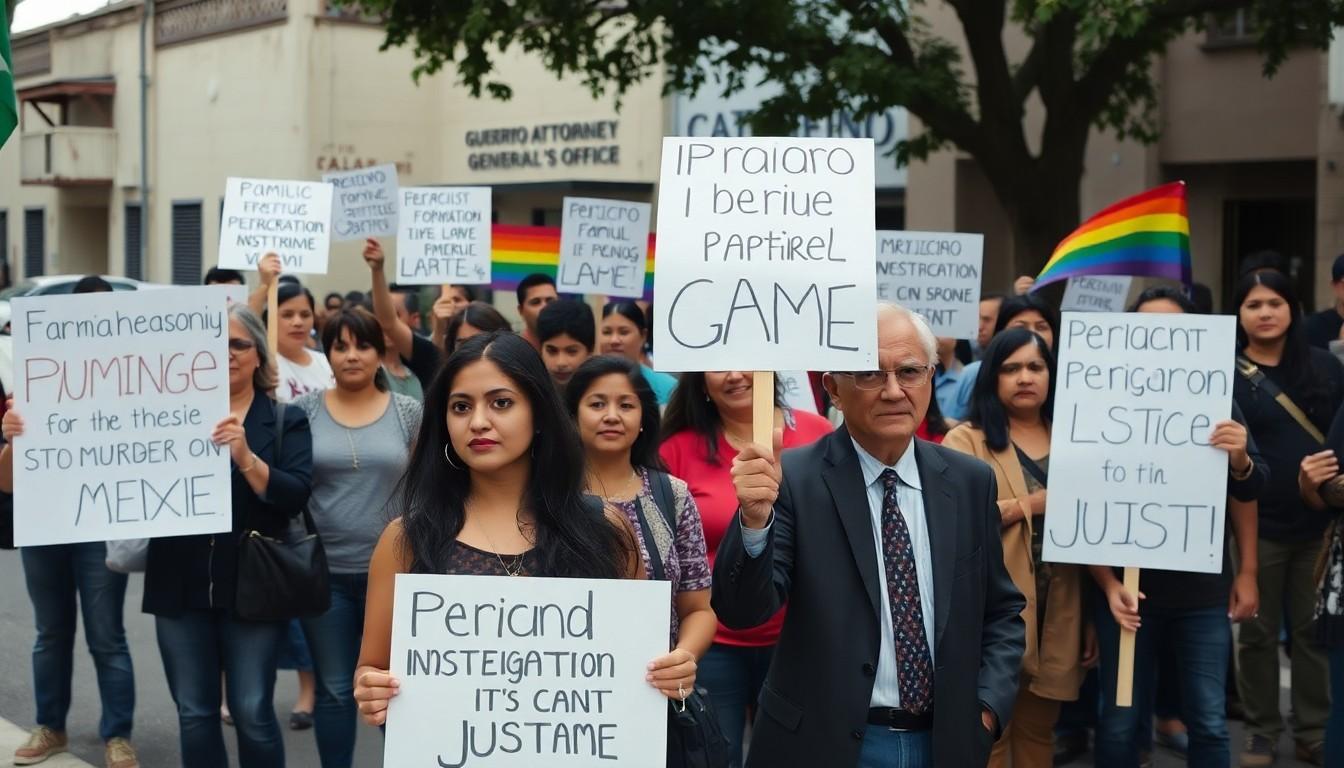
Shoppers and neighbours alike have watched a community mobilise , residents, trans activists and family members marched in Iguala after the killing of 18‑year‑old Alexa Bernabé, calling for an urgent, rights‑based investigation and an end to violence against LGBT+ people in Guerrero.
Essential takeaways
- Victim: Alexa Bernabé Valadez, 18, a student at Preparatoria No. 10 of the Universidad Autónoma de Guerrero, was found dead in Lomas del Zapatero.
- Circumstances: Reports say she was riding a motorcycle on a dirt track when she was attacked with a knife. The body was discovered on 30 July.
- Public response: Friends, family and trans community groups marched in Iguala wearing white and carrying banners like “Justice for Alexa” and “Ni una asesinada más.”
- Demand: Activists and colectivos asked the Guerrero state prosecutor to investigate the killing as a hate crime with LGBT+ and gender‑based violence perspectives.
- Pattern: Organisers say this is at least the sixth suspected hate crime against LGBT+ people in Guerrero this year, raising fears of impunity.
A community in mourning took to the streets
The strongest image people brought back was a sea of white , mourners and activists dressed simply, holding placards and reading a statement in the town centre. According to local reporting, the march combined friends, family and organised trans groups who demanded answers and swift action from the Fiscalía General del Estado de Guerrero. The mood was a mix of grief and sharp frustration; relatives spoke of a young life cut short and organisers warned the case must not disappear into the backlog.
What we know about the killing
Local outlets and statements from LGBT+ collectives describe Alexa as an 18‑year‑old student who was travelling by motorcycle on a rural track when she was attacked. Police reports say she suffered multiple stab wounds and was found on 30 July in the Lomas del Zapatero colonia. Authorities have opened an investigation, but collectives are urging the prosecutor to treat the case with a specific focus on possible motives related to the victim’s gender identity and sexual orientation , a move that could change how evidence is collected and suspects are prosecuted.
Why activists want a hate‑crime classification
Groups on the ground argue the pattern is clear: several violent deaths of LGBT+ people in Guerrero have seen little progress in investigations. Classifying this as a hate crime or, where relevant, a transfeminicide , as Mexico City does for murders of trans women that combine misogyny with anti‑LGBT+ hatred , would demand investigative protocols with a human‑rights perspective. That means specialists, careful scene preservation, interviews that avoid misgendering and faster public reporting. Activists say those steps are crucial to prevent further killings and to build public trust.
The wider context: a worrying pattern
Organisers point to at least half a dozen suspected hate murders this year in Guerrero alone, and human‑rights groups have previously documented impunity in similar cases across Mexico. Historical examples and reporting from other regions show how quickly cases can stall without pressure. The call from Iguala’s march was simple: pursue every line of inquiry, involve LGBT+ advocates in oversight, and keep the community informed. Without those measures, families and collectives fear the same cycle will repeat.
Practical steps for families and advocates
If you’re seeking justice for someone in this situation, activists recommend insisting on: official recognition of the victim’s gender identity in paperwork, access to a victim‑support lawyer, medical and forensic reports with transparency, and regular updates from prosecutors. Local colectivos often offer accompaniment to hearings and can help bring public attention to slow cases. Public pressure, while emotionally draining, has a track record of prompting swifter action.
It's a small change that can make every investigation fairer and every community safer.
Source Reference Map
Story idea inspired by: [1]
Sources by paragraph: