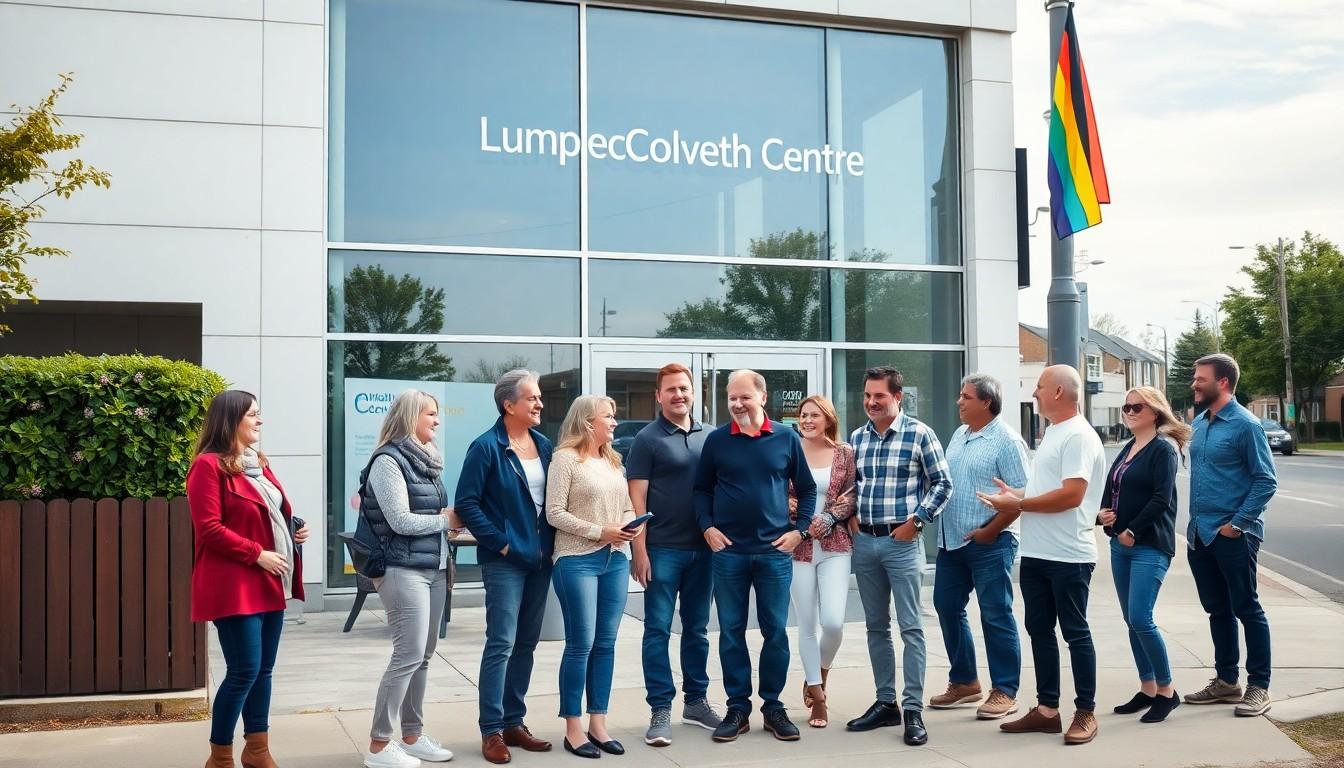
Notice how a single word can shift a mood , and a movement. During Pride season in cities from Amsterdam to New York, people are debating whether queer is an identity, a political stance, or an insult , and why it matters who gets to choose the language we use.
Essential Takeaways
- Labels are personal: People choose gay, queer, bisexual or trans in ways that feel right to them; respect that choice.
- Queer carries history: For some it's reclaimed pride; for others it still echoes past slurs and pain.
- Words aren’t guarantees: Calling yourself queer doesn’t automatically mean you practise inclusive or anti‑racist behaviour.
- Solidarity beats terminology: Actions , defence, allyship, policy , reveal true commitment more than preferred labels.
Why the queer vs gay debate keeps popping up
Language shifts, and with it people rethink how they describe themselves. In the US a spate of opinion pieces last Pride argued that gay is an orientation while queer has taken on political meaning, prompting sharp pushback from magazines and activists. The same conversation surfaced at Pride in Amsterdam, where hearing someone say, “I’m gay, not queer,” felt like a small but telling moment. Words carry texture , the sound of a slur, the warmth of a reclaimed badge , and that texture shapes how people feel included or excluded.
This debate matters because it’s not merely semantic. Some use distinctions to police boundaries inside the LGBTQ+ community, while others are trying to reclaim a broad term that makes space for identities outside binary boxes. Both impulses are understandable: people want clarity about who they are, and they also want to belong without being reduced.
Queer as reclaimed language , and why not everyone embraces it
Queer was for decades hurled as an insult, which explains why for many the word still stings. In recent years activists and academics reclaimed queer as a proud umbrella that resists rigid categories and supports trans, non‑binary and bi+ people. That reclaiming has been empowering for many, offering a loose, inclusive identity that centres resistance to norms.
But reclaiming a slur doesn’t compel everyone to accept it. People’s histories differ; a word that liberates one person may retraumatise another. That’s why insisting everyone use the same label can feel coercive. Self‑determination in language matters , and it’s okay for different generations and communities to pick different words.
Labels don’t equal values , watch the actions
An important counterpoint: calling yourself queer isn’t a magic stamp of progressive behaviour. Queer spaces can still harbour racism, transphobia or exclusionary practices. Conversely, someone who prefers the term gay can be a staunch ally. The real test of commitment is what people do when solidarity costs them something , who they defend, who they centre, and who they make room for.
So when evaluating whether a community or person is inclusive, look beyond banners and labels to behaviour: policies, who’s given leadership, how complaints are handled, and whether marginalised voices are protected.
How to talk about identity without erasing people
Practically, start from a place of curiosity and respect. Use the terms people give you, and when in doubt ask politely. Avoid assuming that one word fits everyone in a room. If someone says they’re “gay, not queer,” don’t jump to conclusions about their politics; invite conversation instead of accusation.
For organisers and brands, the guidance is similar: centre voices, not vocabulary. Promote access, safety and representation, and be prepared to shift language with community input. That’s how trust is built , not by policing words, but by practising inclusion.
What the future of queer language might look like
Language will keep evolving as new generations and movements change what identity feels like. Some words will be reclaimed, others will fade, and new terms will emerge. The healthiest path is pluralism: a recognition that multiple labels can coexist and that the priority should be mutual defence and respect.
In the end, words matter because they shape belonging. But they’re not the whole story , behaviour and solidarity are what hold a community together.
It's a small change to let people pick their words; a bigger one to stand up when it counts.
Source Reference Map
Story idea inspired by: [1]
Sources by paragraph: