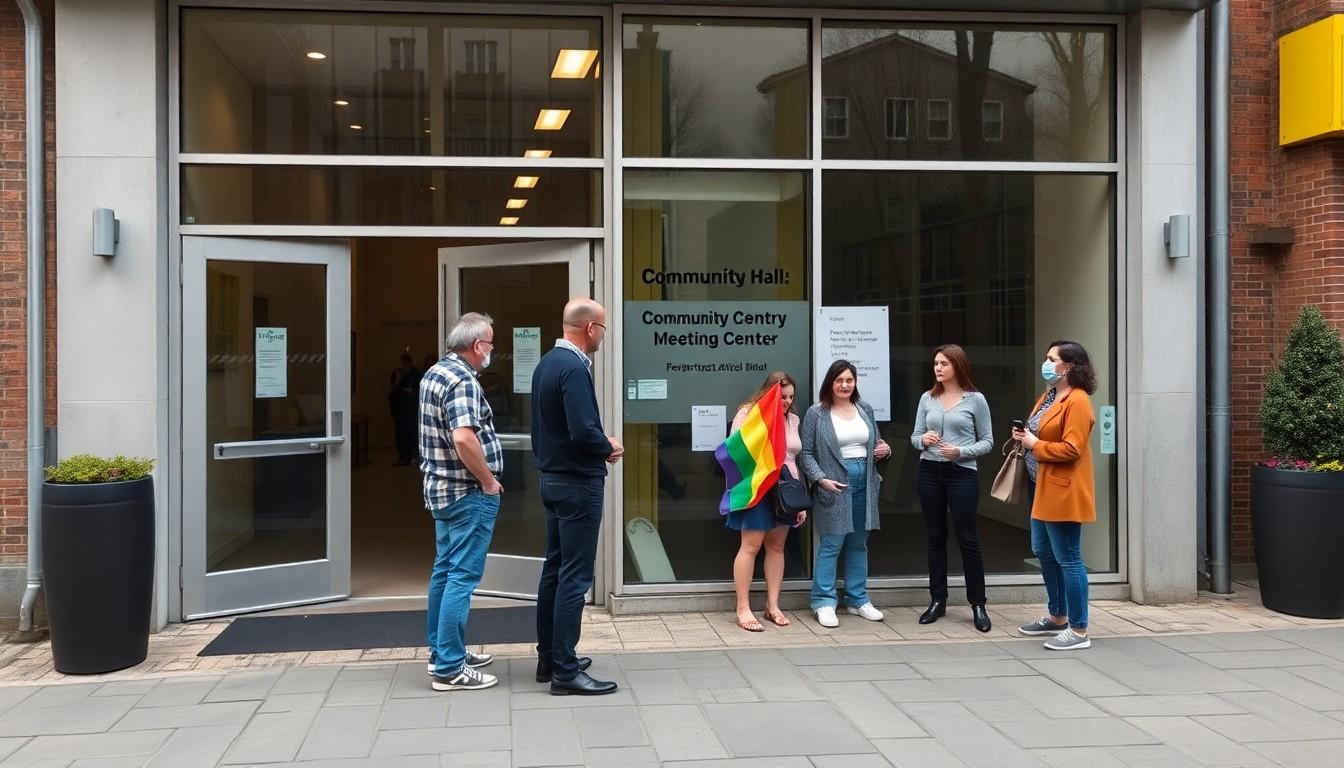
Shoppers and locals are choosing how to mark Pride differently this year in Antwerp; activists warn that visibility alone isn’t enough and many independent events are picking up the activist slack to keep the movement meaningful. Here’s why that matters, who’s leading the debate, and how to join without falling for pinkwashing.
Essential Takeaways
- Critical voices are loud: Younger activists call the Antwerp Pride a sell‑out and skip official programming, preferring grassroots actions and fringe events.
- History matters: Long‑time campaigners stress Pride’s roots in HIV awareness and rights, and worry commercial festivals dilute that mission.
- Diversity gaps: Organisers are criticised for a white, male bias and insufficient focus on accessibility, safety and concrete demands.
- Many alternatives exist: Independent queer stages, community gatherings and satellite parties offer space for protest, care and nuance.
- Practical tip: Look beyond parade schedules , check community calendars and smaller venues for events that centre activism, intersectionality and safety.
Why some activists are skipping the official Antwerp Pride
A younger voice at the table says it plainly: visibility’s fine, but protest is the point , and he won’t take part in the main festival. That sentiment captures a wider frustration that Pride has drifted from direct political action towards a citywide party with sponsors and polished programming.
According to local activists, that shift isn’t unique to Antwerp. Organisers from other big events have likewise turned parades into festivals to attract a broader crowd and funding. The result is predictable: visibility grows but the sharp edges of campaigning , demands for housing, accessibility, safer shelters , get blunted.
If you’re wondering where to stand, a simple yardstick helps: look at the messaging. Events that publish concrete asks or partner with frontline groups are more likely to reflect activist priorities than those focused on corporate stages and brand activations.
The older generation remembers Pride as a lifeline
One of the panellists lived through the 1980s HIV crisis and underlines how Pride used to educate the public and defend basic rights. For decades activism and awareness were intertwined; that history shapes how many long‑time campaigners view today’s festivalisation.
They aren’t keen to fling criticism without alternatives, though. A measured approach , calling out problems while supporting grassroots organising , was the suggestion. That balance matters because splintering weakens political leverage at precisely the moment when conservative forces are on the march.
Attend a community discussion or a legacy talk at the weekend if you want to connect with those perspectives. It’s an easy way to remember the movement’s stakes while enjoying Pride responsibly.
Who is Pride for? Intersectionality and tensions
The table turned to a thorny question: should Pride focus only on LGBTQ+ concerns or take on broader causes? One activist argues that identity is layered , queer and a person of colour, queer and a woman , and Pride must reflect that complexity.
Others warned that broadening the agenda risks alienating some participants, yet many also believe solidarity across struggles strengthens rather than dilutes the movement. The debate shows up in practical ways: who’s invited to speak, which groups get stage time, and which demands are amplified.
When choosing where to go, ask organisers about representation and accessibility. Does the line‑up include women, trans and non‑binary voices, and people from racialised communities? If not, the event may be worth skipping in favour of spaces that centre marginalised speakers.
Pinkwashing and the rise of alternative programming
Commercial involvement can bring visibility and money, but it also brings accusations of pinkwashing , companies using Pride imagery without backing real change. Many queer groups in Antwerp now organise parallel events specifically to avoid that trap.
From independent stages hosting community speakers to smaller parties and benefit shows, these alternatives are often where concrete campaigning and mutual aid happen. They’re also where activists say the generational cross‑talk is most alive: older campaigners meet younger organisers and practical solidarity ideas spread.
For festivalgoers, the practical move is simple: consult community calendars and local listings instead of only the main site. Supporting small vendors, donating to grassroots groups and attending talks will keep your Pride weekend activist as well as fun.
Where to start if you want a meaningful Pride weekend
If you’re in Antwerp this Pride, mix celebration and politics. Go to a parade for energy, but also visit a community hub, catch a talk on HIV legacy work, and pick at least one smaller, non‑commercial event. That way you’re visible and you’re useful.
And remember: supporting Pride doesn’t end with a weekend. Sign a petition, volunteer with a local queer services group, or simply follow and amplify marginalised voices online. Small acts help when the public mood hardens and divisive politics pick up pace.
It's a small change that can make every Pride celebration both louder and wiser.
Source Reference Map
Story idea inspired by: [1]
Sources by paragraph: