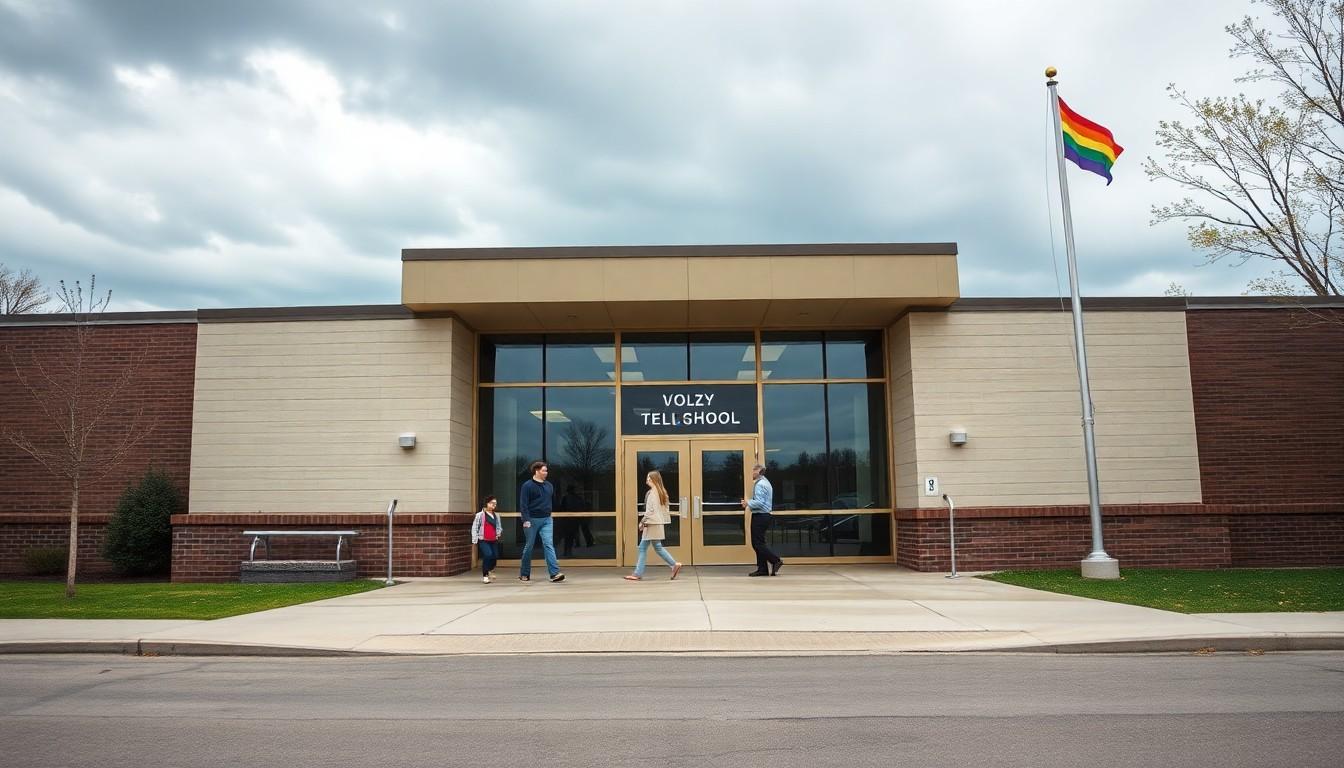
Watch how schools navigate Pride flags, free speech and classroom culture, parents, teachers and administrators in the US are debating whether symbols like rainbow flags are political, what that means for students, and why careful policies matter for inclusion and constitutional rights.
- Background: Several school boards are restricting unauthorised materials; legal precedent such as Tinker v. Des Moines limits but does not eliminate regulation.
- Practical effect: Banning all "political" items is easy to write, hard to administer; teachers report mixed feelings and a quiet emotional impact on LGBTQ students.
- Sensory cue: Flags and stickers are visual cues that make spaces feel welcoming or tense, depending on who's in the room.
- Choice tip: A narrow, transparent policy that focuses on time, place and manner reduces legal risk and preserves a respectful classroom vibe.
- Outcome: Thoughtful policies teach kids how to live in a plural society rather than sanitise them from disagreement.
Why this debate matters now: symbols feel louder than ever
The image of a rainbow flag in a classroom is unexpectedly weighty, bright, visual and instantly legible. Public school districts from small towns to big cities have been asked to decide whether such items count as "political" and must be removed, and those decisions ripple through teacher morale and student wellbeing. According to legal histories of school speech, including landmark rulings often filed under the name Tinker v. Des Moines, students do keep some First Amendment protections, but schools keep substantial control over on-duty staff conduct and classroom displays. That legal tension explains why boards sometimes opt for blunt, district-wide bans: they're trying to avoid litigation even if the solution feels blunt.
What the law actually allows, and what it doesn't
Court summaries and teaching resources about Tinker show the basic rule: students' speech can be restricted only if it materially disrupts school operations or invades the rights of others. Teachers and staff, meanwhile, are more restricted when acting in their official roles, so districts can regulate what goes on the walls during class time. Still, blanket prohibitions on "political" imagery invite hard questions, what counts as political? A flag can represent identity, history or politics, and courts are often wary of viewpoint-based exclusions. Schools that want to minimise legal risk usually craft narrow rules about time, place and manner rather than sweeping bans, which also makes enforcement clearer for principals and less arbitrary for staff.
Inclusion versus neutrality: the human side
A rainbow flag isn't just fabric; for many pupils it's a sign that someone understands them, that a teacher's class is likely to be a safer place. Removing all such cues in the name of neutrality can feel sanitising and cold; students notice the texture of their environments. On the other hand, some families and staff see any display tied to identity politics as divisive. The practical middle ground schools are finding is to treat identity-affirming materials as part of a broader commitment to student safety, posters about bullying policy, diverse literature and notices about support groups, rather than singling out one symbol. That approach recognises emotions without collapsing into partisan signalling.
How to write sensible school policy that survives scrutiny
If you're on a school board or advising one, keep the language specific. Focus rules on when and where materials may be displayed, require sponsorship or curricular relevance for classroom displays during instruction, and offer a clear pre-approval process for staff. Train administrators to apply rules consistently and document decisions so they don't look like viewpoint discrimination. Schools that emphasise neutral criteria, size, location, instructional relevance, reduce arbitrary outcomes and help teachers feel supported. And remember: transparent communication with parents and staff diffuses a lot of the anger that otherwise lands in public comment periods.
What parents and teachers can do today
If you're a parent worried about what your child sees, ask your school for the written display policy and examples of permissible materials. Teachers who want to show support but avoid conflict can choose curriculum-linked resources or neutral displays about respect and safety. Student groups can request club spaces or bulletin boards for identity-based expression that’s separate from class instruction. Above all, modelling how to have respectful disagreement, rather than trying to sterilise every corner of a school, is the real civics lesson.
It's a small policy change that has outsized effects; handled well, it teaches kids how to live in a diverse democracy.
Source Reference Map
Story idea inspired by: [1]
Sources by paragraph: