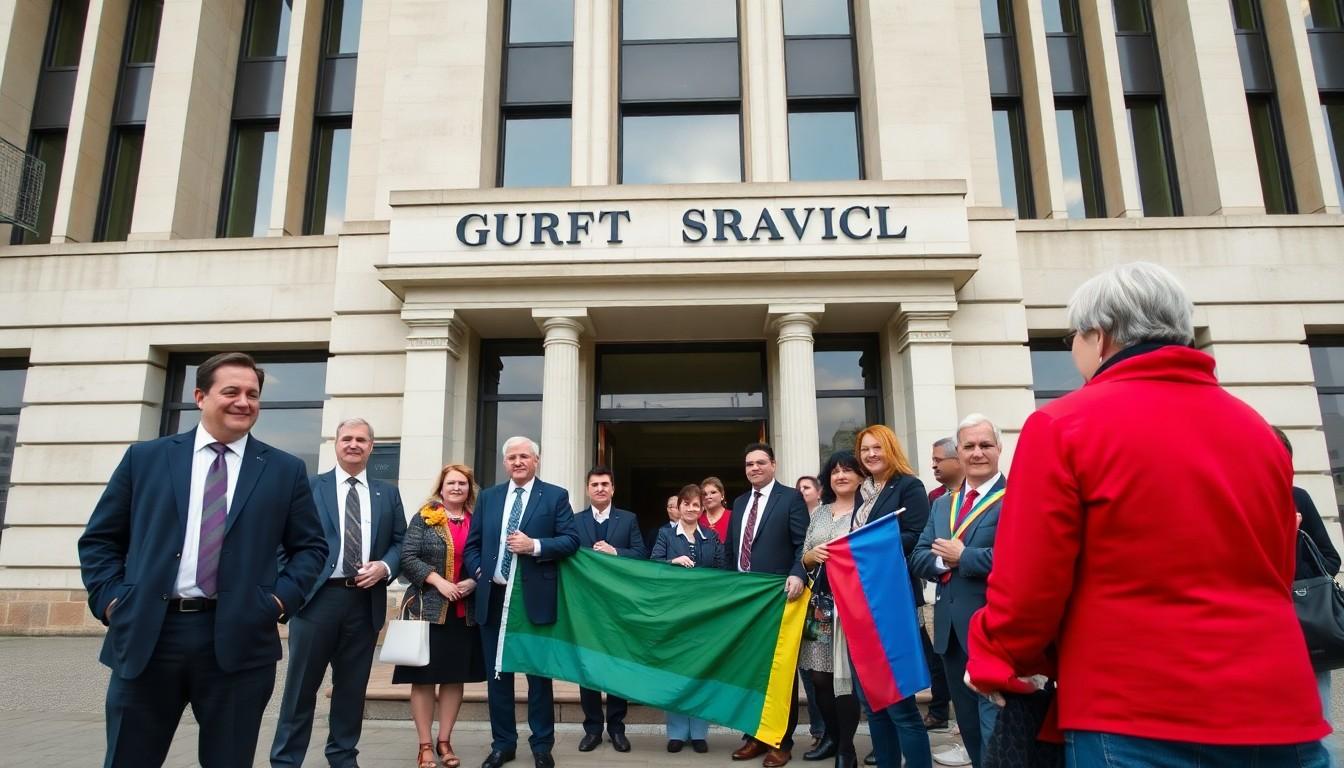
Shoppers of opinion and activists are heading to Westminster: LGB Alliance is organising supporters to meet MPs on 1 September to oppose the government’s draft Conversion Practices Bill, arguing it could make conversations about sexuality harder, a push that matters as ministers refine protections.
Essential Takeaways
- Who’s acting: LGB Alliance is calling supporters to lobby MPs in person on 1 September and to attend a parliamentary drop-in on 8 September.
- Core claim: The group says the draft Bill could discourage parents and professionals from talking about sexuality or gender identity, and risks silencing detransitioners.
- Government intent: Ministers have published a draft Bill to outlaw abusive practices aimed at changing or suppressing sexual orientation or gender identity, with criminal offences and civil protections proposed.
- Practical support: LGB Alliance is offering template emails, briefing notes and guidance for meetings; Parliament’s Green Card system can be used for same‑day requests.
What the campaign looks like on the ground
LGB Alliance has plastered its website with a simple message , “It’s OK to be gay. Please reject the Conversion Practices Bill” , and urged supporters to travel to Westminster to press MPs in person. The imagery is meant to be reassuring and personal; expect small groups with briefing packs and ready lines to make their case. For people who prefer to stay local, the group supplies template emails and phone scripts, so it’s easy to join the lobby from home.
Backstory: the campaign follows publication of the government’s draft Bill. Organisers stress one sensory detail you’ll hear in conversations: a quiet anxiety , parents and clinicians worried about being reported for “asking the wrong question.” That’s the emotional pitch driving the petitioning.
Why LGB Alliance says the Bill risks silence
The Alliance’s central argument is practical: laws that criminalise certain interventions could chill ordinary conversations, they say. Parents, teachers and counsellors might be reluctant to discuss sexuality or question a young person’s sudden identification changes for fear of complaints or criminal investigation. The group also highlights detransitioners who want to speak publicly about harms they say they experienced and fears those voices could be curtailed.
Context: this isn’t a fringe talking point. It echoes wider debates about safeguarding versus free speech and professional duties. If you’re weighing the claim, consider who’s speaking: campaigners emphasise anecdote and lived experience, while medical bodies and other LGBTQ+ organisations are pushing back with evidence about conversion harms.
What the government’s draft Bill actually proposes
The government has published a draft Bill intended to outlaw abusive conversion practices and provide civil protection orders for those at risk. Ministers say the aim is to protect lesbian, gay and bisexual people from harmful interventions condemned by health organisations. The draft sets out potential criminal offences for practices intended to change or suppress a person’s sexual orientation or transgender identity, while exempting consensual, non‑coercive support that doesn’t aim to change identity.
For readers wondering about detail: the draft is currently undergoing pre‑legislative scrutiny, so wording and safeguards could change before it reaches Parliament. That means lobby days and hearings later this year could influence the final shape of the law.
How MPs will hear from different voices
Parliament will host a drop‑in event on 8 September where MPs can hear from a range of people: LGBTQ+ individuals, parents, clinicians and detransitioners. Campaigners on both sides plan to attend. LGB Alliance is urging its supporters to turn up to that session as well as to the 1 September lobby day.
Practical tip: if you want to contact your MP, try to book ahead by email using the provided templates, but if you’re in Westminster you can request a same‑day meeting via the Green Card system. Bring concise, fact‑based points and any personal experience , MPs respond to clear examples and practical asks, such as proposing specific amendments or safeguards.
What this means for everyday conversations and future policy
This push highlights a wider cultural tug of war: balancing protection from abuse with the freedom for honest, exploratory conversations about identity. Many LGBTQ+ organisations argue the ban is necessary to stop demonstrable harm, while groups like LGB Alliance warn of unintended consequences. The parliamentary process will be where those tensions are hashed out.
A useful approach if you care: read the draft Bill’s explanatory notes, follow pre‑legislative scrutiny updates and, if you take part in lobbying, focus on specific amendments or clarifying language that protects vulnerable people without criminalising reasonable dialogue.
It's a small change in wording that could make every conversation clearer.
Source Reference Map
Story idea inspired by: [1]
Sources by paragraph: