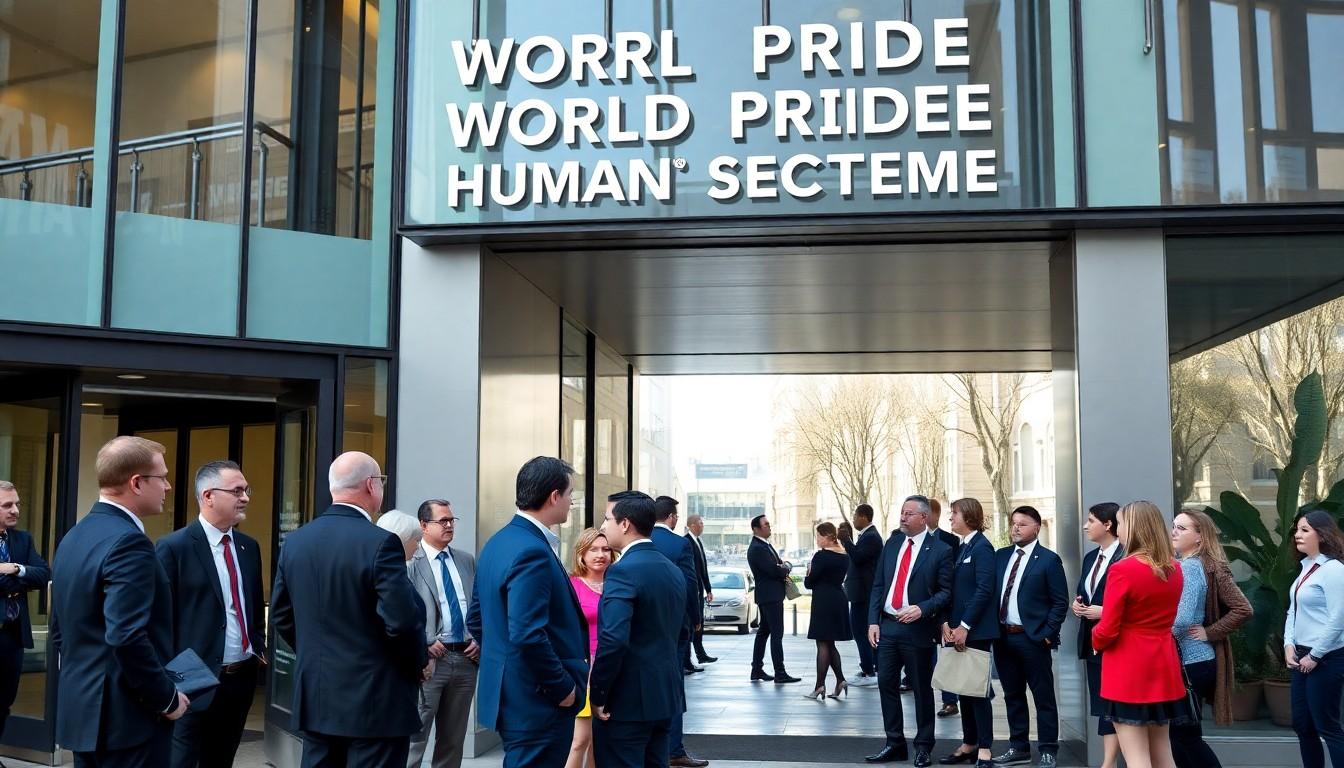
Watch leaders sound the alarm: politicians, activists and allies at World Pride in Amsterdam say trans people are under organised attack , and that defending their rights is urgent, practical and political. This matters for healthcare, schools, sport access and the wider LGBTQ+ movement.
Essential Takeaways
- High-level warning: Dutch Prime Minister Rob Jetten and other former and current leaders say trans people are the most vulnerable group in the West right now.
- Organised opposition: Speakers described attacks as well-funded and strategic, targeting trans people to chip away at broader LGBTQ+ rights.
- Policy stakes: Access to healthcare, legal gender recognition, school safety and military service were highlighted as immediate fronts.
- Lessons from legislation: Some countries enacted easier gender recognition a decade ago; speakers warned similar laws would face tougher fights today.
- Speak up, plan and protect: Experts urged clearer community conversations, stronger political organising and legal safeguards to prevent rollbacks.
Leaders called it: trans rights are the canary in the rights coal mine
At a World Pride Human Rights Conference session in Amsterdam, Dutch Prime Minister Rob Jetten said trans people have been singled out in a campaign that’s both well funded and carefully organised. The line landed with a quiet urgency , you could feel the room tilt towards action. This panel brought together a string of high-profile figures who’ve themselves broken ground as openly gay heads of government, and the message was consistent: this isn’t a fringe culture war, it’s a coordinated political strategy. For readers, that means what looks like isolated controversies , toilets, sports, Olympic debates , are part of a bigger push that can affect everyday life.
What’s at stake: not just symbols but services and safety
Speakers were clear that the fight isn’t merely symbolic. They pointed to real-world consequences: access to healthcare, being able to live openly at school, enlistment in the armed forces, and legal recognition of gender. When voices argue over who can compete in sport or which toilets someone should use, communities can get distracted from these concrete issues. That’s why activists at the conference kept returning to the practical: legal protections, anti-discrimination enforcement and safeguarding medical access. If you care about stable healthcare or safe classrooms, this matters.
Lessons from past wins , and why it’s harder now
Former Irish prime minister Leo Varadkar reminded the room that Ireland’s 2015 law allowing gender change without surgery passed in a different political climate , a “liberal wind” that’s much less predictable today. That catches the eye: laws that once seemed straightforward are harder to repeat because opponents have learned how to mobilise media and courts. So what do advocates do? One practical takeaway is to frame policies in everyday terms , families, doctors, schools , and to build broad coalitions that make rollback politically costly.
How movements should respond: organise, talk, don’t get distracted
Speakers urged the LGBTQ+ community and allies to get more strategic and more candid with each other. Jetten called for deeper, even uncomfortable conversations inside the community to devise a better strategy. That’s sensible: coordinated campaigns, rapid legal responses and clearer public messaging blunt the impact of disinformation. Tactically, that means investing in legal teams, rapid-response communications, and grassroots mobilisation that ties trans rights to universal values like healthcare and safety.
A global pattern, and why solidarity matters
Panelists linked what’s happening in Europe to trends in the United States, noting how debates migrate from one country to another and pick up steam. When one jurisdiction narrows legal definitions or limits access to care, that becomes a template for others. Participants urged governments and NGOs to exchange lessons and support one another. The broader point was simple: defending trans rights is not niche politics. It’s an international test of whether democracies can protect minorities from targeted campaigns designed to erode civil rights step by step.
It's a small change that can make every policy safer: organise, educate, and treat trans rights as central, not peripheral.
Source Reference Map
Story idea inspired by: [1]
Sources by paragraph: