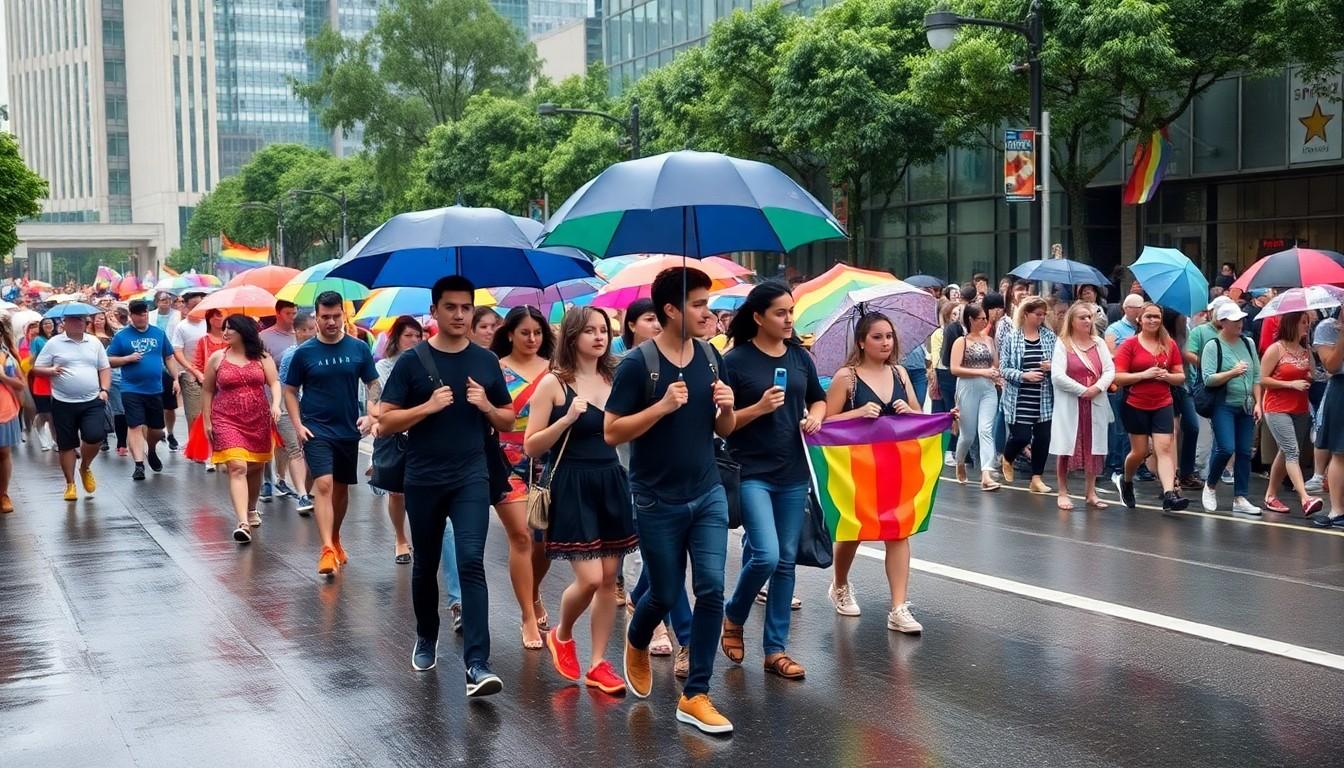
Celebrate a visible, local show of support: Surrey Schools, Kwantlen Polytechnic University and community groups joined Vancouver’s Pride Parade, bringing colourful banners, music and a clear message that 2SLGBTQ+ students and families matter. Here’s why their presence counted and what it means back home.
Essential Takeaways
- Large turnout: More than 100,000 people attended Vancouver’s Pride Parade, with Surrey-connected groups marching together and in high spirits.
- School commitment: Surrey Schools marched to publicly reaffirm inclusive, welcoming learning environments for students and staff; participation grew from virtual in 2020 to in-person since 2022.
- Higher education in attendance: Kwantlen Polytechnic University (KPU) joined the parade, signalling post-secondary support for 2SLGBTQ+ communities.
- Community representation: Local groups such as PFLAG Surrey and Sher Pride provided family-centred and cultural visibility for queer communities across Surrey and surrounding cities.
- Weather-beating atmosphere: A rainy start gave way to sunshine at parade time, making for upbeat photos, loud music and warm community vibes.
Surrey Schools marched to make inclusion visible
Surrey Schools used the parade as a public, visual pledge: inclusion isn’t just policy language, it’s something you can see on the street. The district’s communications director framed the appearance as an affirmation that every learner should feel seen and supported, and that commitment translated into banners, staff and families walking together. The district first went virtual during the pandemic and has steadily returned to in-person participation since 2022, which shows a shift from online solidarity to public-facing advocacy. If you’re a parent wondering why this matters, think of it as reassurance , your child’s school district is choosing to stand alongside students in a very public forum.
KPU and post‑secondary support that matters
Kwantlen Polytechnic University’s presence is part of a wider trend where universities and colleges step out of campus and into civic events. KPU’s participation underscores that 2SLGBTQ+ support isn’t limited to K–12 settings but extends to higher education, too. For students and staff, seeing your institution represented in a major urban parade signals resources, networks and potentially safer campus services. If you’re considering where to study or work, look for this kind of visible community engagement , it’s a practical indicator of institutional culture.
Local charities and groups brought cultural and family voices
PFLAG Surrey and Sher Pride added different but complementary notes to the parade , family support and culturally specific programming. PFLAG’s chapter covers Delta, Langley, Surrey and White Rock, offering a gentle, familial kind of allyship that can be crucial for parents and relatives. Sher Pride, which focuses on queer South Asian arts and services, brought cultural nuance and community-specific resources. Together, they show that Pride is not one thing but many: allies, cultural groups, schools and students all marching with different aims but a shared message. If you want to get involved locally, these organisations are sensible first stops for volunteering or finding peer support.
From rainy morning to sunshine: the day’s atmosphere
The parade’s timing turned out well , a soggy morning cleared and thousands flowed along Pacific Boulevard toward Pacific and How streets. When a city-wide event hits good weather, the tone changes: music sounds louder, colours pop and people are more likely to linger and connect. For Surrey groups who travelled in, that shift meant better visibility and more chances to meet other organisations and supporters. Events like this are small but effective ways to build relationships between neighbouring municipalities and show mutual support.
Why these local showings matter beyond the parade
A banner in a parade isn’t just a photo op; it’s a public record of who stands with whom. According to Surrey Schools’ own messaging, their presence is part of a broader commitment to safe, caring and inclusive spaces, covering race, religion, sexual orientation and gender identity. Public participation also opens conversations at home and in community meetings, helping to shape local policies and services over time. If you’re a resident wanting to push for more inclusion, attending or supporting these groups at civic events is a concrete, visible step.
It's a small change that can make every school corridor and campus feel safer.
Source Reference Map
Story idea inspired by: [1]
Sources by paragraph: