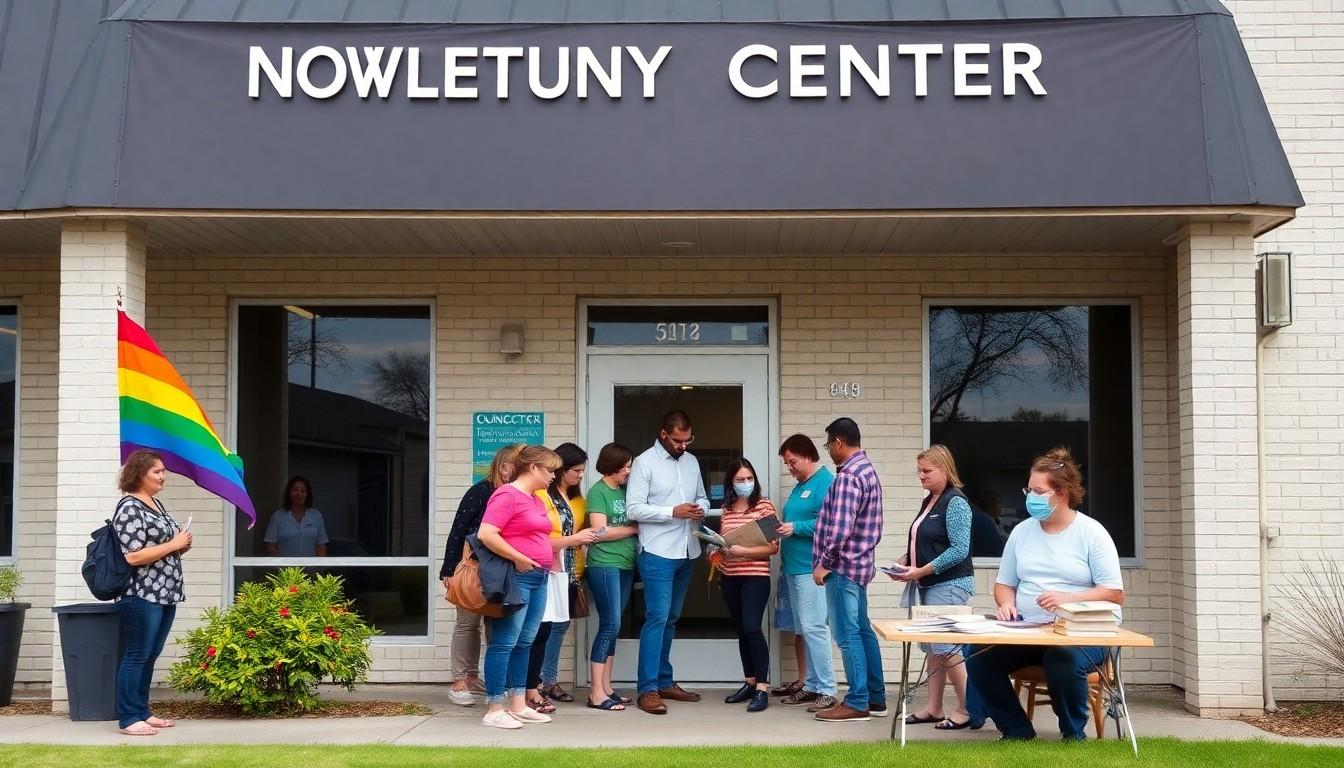
Shoppers and supporters are turning their attention to community-powered media , the Life Support summer newsletter from LGBTLifeCenter brings volunteer voices, original art, Pride reflections and local resources to Hampton Roads, and it’s a breezy, human snapshot of what makes neighbourhood organising feel alive.
Essential Takeaways
- Volunteer-made: The summer issue was produced by an all-volunteer writing and design team, who took one month off and combined July and August into a single edition.
- Personal stories: Readers will find first-person pieces on belonging, identity and taking up space, including essays from Shay and Ari and creative contributions from Jacob and Alex.
- Practical resources: The newsletter packs community listings , events, health info and ways to connect locally , useful for newcomers and long-time residents alike.
- Open call: The editorial team welcomes new volunteer writers and creatives; interested people can email [email protected] to get involved.
- Friendly format: It mixes original art, games and features, making it easy to read, share and use as a local guide.
Why a volunteer-made newsletter matters , feeling the local pulse
There’s a particular warmth when a neighbourhood newsletter is produced by volunteers: you can hear the people behind the pages. The summer Life Support reads like a potluck of voices, with a slightly rough, very human edge that makes it intimate rather than polished. According to the LGBTLifeCenter, that’s exactly the point , the newsletter exists to give LGBTQ+ folks in Hampton Roads room to say what matters to them. For readers, that means text that might surprise you, art that feels personal, and local pointers that actually work.
Who you’ll meet inside , essays that make space
This edition highlights writers who have been part of the newsletter for years alongside newer contributors finding their feet. Shay’s piece, for instance, frames volunteering as small risks that pay off: joining a conversation, meeting someone new, finding your place. Ari’s reflection on identity is sharp and quiet at the same time , a reminder that local media offers a unique place to take up space. These first-person accounts give the issue emotional texture and help readers recognise themselves or learn from others’ journeys.
Events and resources , practical help for everyday life
Beyond essays and art, the newsletter serves as a practical connector. You’ll find listings for upcoming community events and health information that’s relevant to the region. Local partners and organisations , from peer-support groups to Pride organisers , often appear in the pages, so the newsletter doubles as a gateway to on-the-ground services. If you’re new to Hampton Roads, it’s a friendly compass; if you’ve lived here a while, it’s a quick way to plug back in.
Volunteering opportunities , why you might want to join
The Life Support team is actively recruiting new volunteer writers and designers, and their call is worth noting if you want to build community or gain bylines. The process is informal: email [email protected] to express interest. Volunteering offers practical perks , a chance to develop writing skills, meet people, and shape local conversations , plus the intangible reward of seeing your work land in a publication that matters to neighbours.
How this fits into the wider local scene , connections and partners
The newsletter doesn’t sit alone; it connects with a broader ecosystem of local groups and Pride activities across the region. Organisations such as PFLAG Hampton Roads, Pride in the Peake and the Hampton Roads Pride network stage events and offer complementary support, while community health resources and directories keep the network practical. That web of collaboration helps the newsletter amplify events and resources so readers get more than editorial , they get invitations to participate.
It's a small change that can make community feel closer , read it, share it, or join the team.
Source Reference Map
Story idea inspired by: [1]
Sources by paragraph: