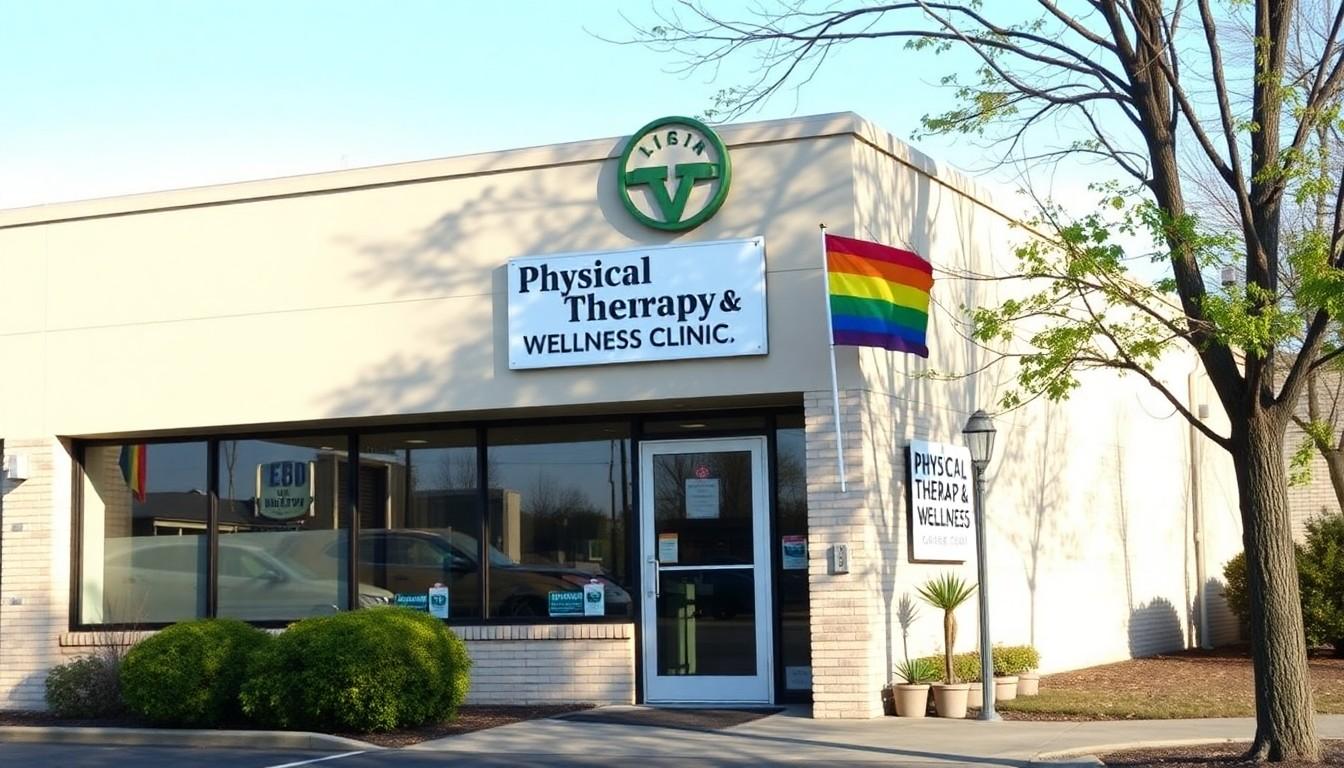
Watchful patients are sharing disturbing clips of anti-gay jokes at a Hudson Valley physical therapy clinic, sparking an inquiry and a wider conversation about safety, professionalism and what to do if you hear discrimination where you seek care. Here’s what happened, why it matters, and practical steps for patients and allies.
Essential Takeaways
- What happened: A 20‑year‑old patient recorded nearly 40 seconds of staff and others making anti‑gay remarks during a July 30 appointment at a Hudson Valley clinic.
- Clinic response: Access Physical Therapy and Wellness says it is investigating and “does not tolerate discriminatory or offensive behavior.”
- Emotional cue: The clip is short but jarring , laughter and casual slurs make the scene feel unsafe and belittling.
- Practical tip: If you experience or witness discrimination, document what you can, report to clinic management and know your local nondiscrimination resources.
- Why it matters: Health settings should be places of care, not judgement; discriminatory conduct can deter patients from seeking needed treatment.
The recording that sparked outrage , short, sharp and unsettling
The incident came into public view after the patient’s mother shared a recording with a local TV station, and the clip quickly circulated to larger outlets. The tape captures multiple voices making anti‑gay jokes and using slurs; one line likening someone to “gayer than AIDS” landed in the middle of laughter, which many viewers found especially chilling. According to News 12 and national outlets, the patient said two therapists and three patients were present, though the clip doesn’t clearly identify speakers. The visceral reaction from listeners , outrage, disbelief, sorrow , is part of why the story spread so fast.
What the clinic says and why investigations matter
Access Physical Therapy and Wellness has told reporters it’s investigating the allegations and will take “appropriate actions based on findings,” while also citing patient confidentiality and personnel rules. This is a familiar pattern: organisations often pledge investigations while they gather facts. Reuters, The New York Times and CNN coverage noted that employers must balance privacy with transparency, but patients want clarity , did training fail, is this isolated, and what will change? Investigations can lead to discipline, retraining, or policy updates; they also provide an opportunity for organisations to rebuild trust if they act decisively.
Why discriminatory remarks in health settings are uniquely harmful
Bias from a healthcare professional or people in that environment isn’t just rude , it can be a barrier to care. NPR and the BBC have highlighted how even offhand comments make patients less likely to return, to disclose important details about their health, or to follow through with treatment. For LGBTQ+ patients, the stakes are high: feeling judged at a clinic can mean untreated pain, missed rehab, or avoidance of follow‑up appointments. That quiet, clinical room is supposed to be restorative; when it becomes a place of ridicule, the damage is more than emotional.
What you can do if it happens to you or someone else
If you hear discriminatory language at a healthcare site, there are practical steps that help preserve safety and evidence. First, if you’re comfortable and safe, calmly tell staff the language is unacceptable and you expect professional conduct. Second, document time, location, names if known, and what was said , the specifics matter. Third, report internally to clinic management and, if needed, file complaints with state health licensing boards or local human rights commissions. Finally, reach out for support , friends, local LGBTQ+ groups, or advocacy organisations can advise on next steps and provide emotional backing.
How the wider conversation could change clinical culture
This episode joins other recent stories prompting health providers to re‑examine workplace culture and training. Media coverage shows patients are increasingly willing to record and report misconduct; that transparency can force faster responses. Employers now face not only regulatory scrutiny but reputational risk on social platforms. The hope is that clinics will use these moments to strengthen staff training, reinforce nondiscrimination policies, and make it clear that disrespectful behaviour will have consequences. For patients, the growing visibility of these incidents is a reminder to trust instincts , and to speak up.
It's a small change that can make every appointment feel safer.
Source Reference Map
Story idea inspired by: [1]
Sources by paragraph: