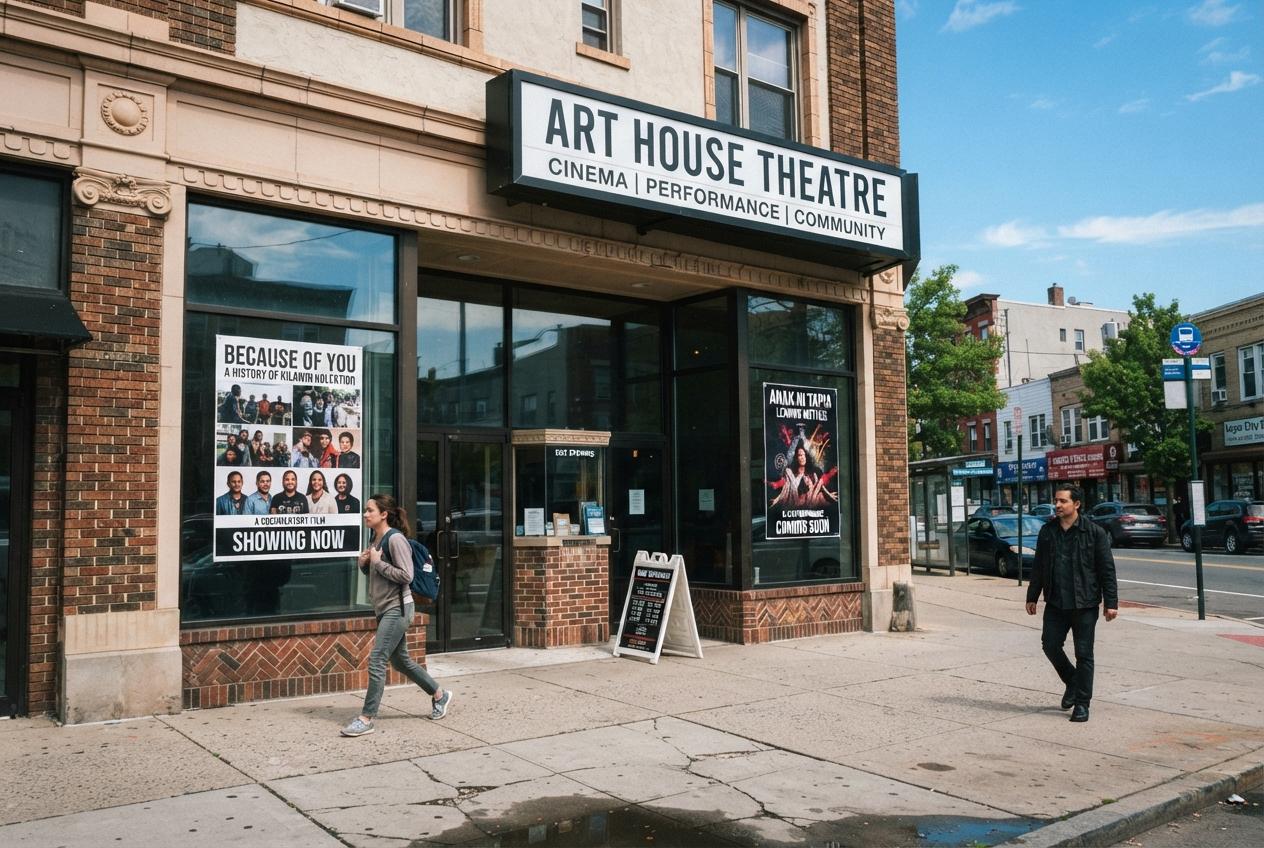
Shoppers of stories and lovers of live art are flocking to Jersey City on 7 August, where a one-night-only Queer Flipside double feature pairs a queer Filipinx documentary with a deeply personal solo show , a proud, urgent moment for local Pride and QTBIPOC visibility.
Essential Takeaways
- Event: One-night double feature at Art House Theatre, Jersey City, doors 6pm, show 7–9.30pm; part of Jersey City Pride.
- Two works: A documentary tracing Kilawin Kolektibo’s 1990s New York history and a solo theatrical piece, Anak ni Tapia: Leaving Mother.
- Tone & feel: Archival, nostalgic, punky and intimate , expect humour, kundiman, memory and audience participation.
- Community support: Official Jersey City Pride event backed by The Pride Center of New Jersey, Hudson Pride Center, Mango Tree Counseling & Consulting, and FANHS Metro NY.
- Practical note: The evening mixes film and live theatre, so arrive early to grab a seat and soak in the set; likely crowd for this Pride slot.
Why this double bill matters: history, memory and reclamation
This isn’t just another festival slot; it’s an archival reclamation. The documentary maps Kilawin Kolektibo, a pioneering collective of lesbian and queer Filipinxs in 1990s New York who carved out community in the face of racism and lesbophobia. The film leans on archival textures and oral history, so expect a nostalgic, tactile experience , old photos, earnest interviews, and that particular 1990s energy.
These stories matter because they’re rare in mainstream queer histories. According to local arts organisers, bringing this footage and testimony to Jersey City ties diasporic memory back to a contemporary QTBIPOC audience. If you care about where today’s movements came from, this is a clear starting point.
Anak ni Tapia: a solo show that feels like a family album
Anak ni Tapia, written and performed by Lani T. Montreal, turns private memory public. The piece follows an immigrant woman who grew up in the shadow of a TV-character mother , a lively hook that makes the show both witty and intimate. Expect comedy threaded with kundiman and vulnerable, confessional moments that land like songs.
The performance mixes storytelling with audience interaction, so it’s not a passive watch. Reviewers call it “deliciously punky” and “deeply personal,” and viewers report laughing, crying and reflecting in equal measure. For anyone interested in migration, celebrity inheritance, and queer identity, the show offers a compact, emotional primer.
How the night is curated and why Jersey City is the right place
Queer Flipside slots this double feature into Jersey City Pride, and it comes with local backing from established community groups. That means the evening is as much about celebration and connection as it is about art. The venue, Art House Theatre, is used to hybrid programming and intimate crowds, so the setting will feel close and immediate , a good match for both documentary screenings and solo theatre.
If you’re planning to attend, factor in the mixed format: film viewers will appreciate quieter concentration, while theatre-goers will enjoy the live responsiveness. Arriving when doors open gives you time to settle and mingle with fellow audience members.
Practical tips for getting the most from the evening
Buy tickets early if you can , one-night events tied to Pride often sell out. Dress comfortably; the show blends storytelling with audience participation, so flexible seating and relaxed attire make for a better experience. Bring a small notebook if you like jotting lines or songs that stick; the night is designed to linger.
If you’re new to these histories, consider reading a bit about Kilawin Kolektibo beforehand, or arrive early to chat with volunteers and partners from FANHS and local Pride groups. They’ll likely have context and further resources.
What this means for queer Filipinx visibility going forward
Pairing archival film with a contemporary solo performance makes a clear statement: queer Filipinx stories are both historical and living. The double bill maps intergenerational threads , rebellion, longing, humour , and shows how those threads inform present-day identity work.
Organisers and artists alike frame the night as part memorial and part invitation. Expect conversation after the show, and possibly more programming like talks or community-led events in the future. It’s a small but significant moment of recognition that could ripple outward.
It's a small change that can make every story feel seen and heard.
Source Reference Map
Story idea inspired by: [1]
Sources by paragraph: