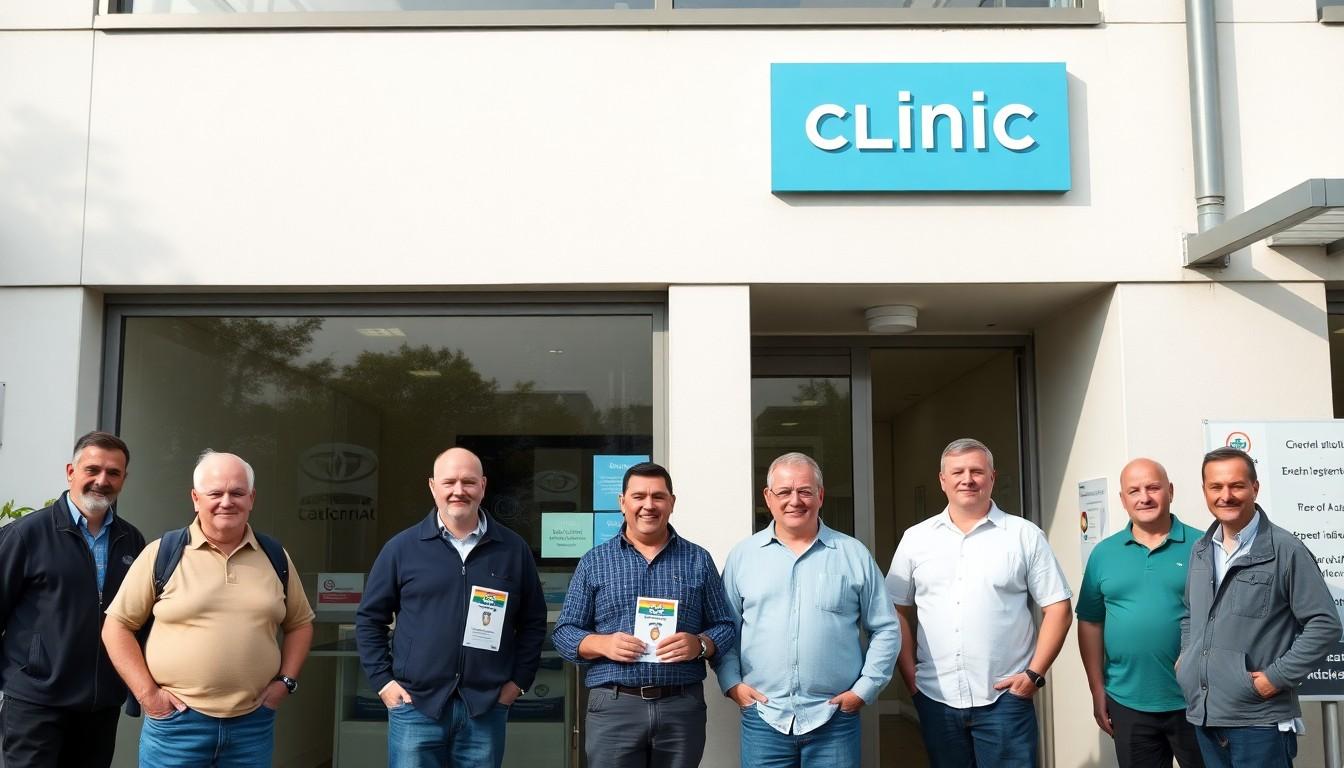
Consider this a nudge: men with a family history should talk to their GP, and gay and bisexual men need to know how HPV and testing logistics change the picture , clear guidance on PSA timing, anal cancer risk, vaccination and what to ask at 45.
Essential Takeaways
- Start discussions early: If your father had prostate cancer, begin talking to your GP about screening around age 40–45 rather than waiting until 50.
- PSA needs prep: Avoid ejaculation, receptive anal sex and heavy exercise for 48 hours before a PSA test to reduce false highs.
- Sexual orientation ≠ prostate risk: Being gay or having anal sex doesn’t increase prostate cancer risk, but it affects PSA test preparation and clinical conversations.
- Anal cancer is different: Men who have sex with men face higher anal cancer risk due to HPV exposure; vaccination and condoms help but don’t guarantee protection.
- Know the red flags: Persistent anal pain, bleeding or lumps should prompt prompt medical review , routine screening for asymptomatic people isn’t standard.
When should you start prostate screening , sooner if cancer runs in the family
If your dad had prostate cancer, that family history matters and is the clearest reason to begin screening conversations earlier than the general population. Doctors in Aotearoa typically advise men with a first-degree relative affected to start talking about testing around 40; at 45 is a sensible, proactive moment to see your GP. Screening can include a PSA blood test and, when indicated by symptoms or preference, a digital rectal examination. The key is shared decision-making , weigh benefits and harms with your clinician. Practical tip: bring your family history details to the appointment , ages at diagnosis matter for assessing your own risk. Ask how often they’d repeat PSA testing if your first result is normal.
PSA testing: the little preparations that change results
PSA is a useful marker but it’s sensitive to short-term factors. Clinical guidance recommends avoiding ejaculation, receptive anal sex and heavy exercise for 48 hours before the blood draw because these activities can transiently raise PSA and muddy interpretation. That’s an easy, evidence-backed tweak that can save you from unnecessary anxiety or repeat tests. Also mention any recent urinary infections or procedures , those too can affect PSA. If your PSA is mildly raised, your GP may repeat the test, consider a DRE, or refer you for imaging or specialist review. Don’t panic at a single reading; context is everything.
Does being gay change prostate cancer risk? Not really , but it changes the conversation
Good news: sexual orientation itself doesn’t seem to increase prostate cancer risk. What does change is the practical side of screening and follow-up , clinicians need to be aware of sexual practices when arranging tests and when discussing treatment impacts such as sexual function and anal health. According to cancer guidance, clear communication with healthcare professionals about sex practices leads to better-tailored care. So be candid , it helps your GP choose the right tests and supports. If you ever feel judged, consider seeking an LGBTQ+-friendly clinician or clinic; a comfortable relationship makes it easier to discuss sensitive issues like erectile or anal changes after treatment.
Anal cancer risk, HPV and what vaccination can do for you
Anal cancer and colorectal (bowel) cancer are distinct. The main drivers of bowel cancer remain age, diet, smoking, excess weight and family history. Anal cancer risk rises in men who have sex with men largely due to higher exposure to oncogenic strains of HPV, with an added risk for people living with HIV. HPV vaccination reduces the chance of persistent infection with high-risk strains and can lower anal cancer risk. In New Zealand the vaccine is registered through age 45, though funding usually stops earlier; at 45 it’s reasonable to ask your GP whether vaccination is still appropriate for you. Condoms reduce HPV transmission but don’t fully prevent it because skin-to-skin contact can still spread the virus. If you have persistent anal symptoms , bleeding, lumps, pain , get checked; routine screening for asymptomatic people isn’t widely offered, so symptoms matter.
Practical next steps at 45: questions to ask and things to do
Start with your GP: outline your family history, sexual practices, and any symptoms. Ask whether a baseline PSA is sensible now and what form follow-up would take if it’s raised. Check your vaccination history and discuss HPV vaccination eligibility and benefits. Keep simple hygiene of testing in mind: the 48-hour abstinence rule before PSA testing, and flag any recent infections or procedures that might skew results. If referred to a specialist, ask about options and side-effect management , treatments can affect urinary, sexual and anal function, so plan for support. Finally, consider joining peer or community groups for lived-experience advice; hearing how others navigated screening and treatment can make decisions feel less clinical and more human.
It's a small set of steps that can make prostate and anal health less mysterious and more manageable.
Source Reference Map
Story idea inspired by: [1]
Sources by paragraph: