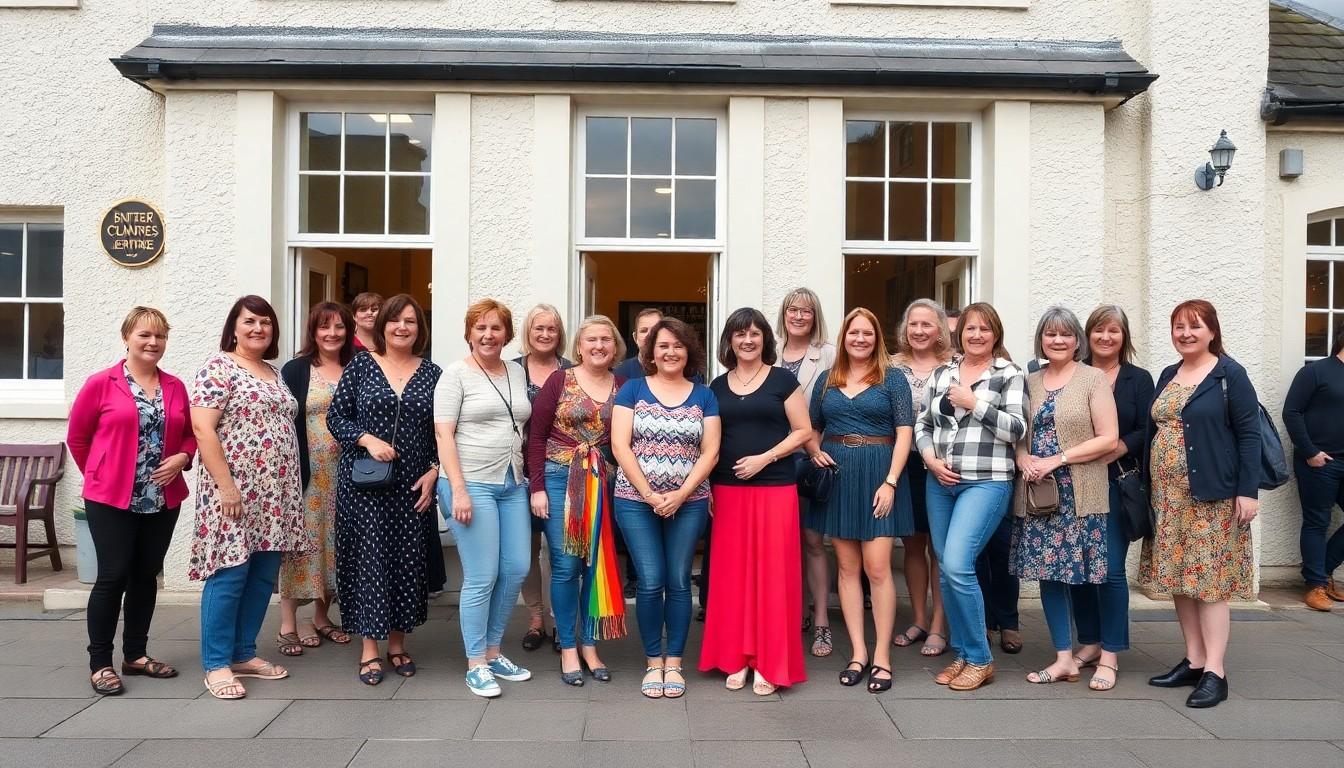
Shoppers and locals have noticed a colourful change on Oban’s waterfront: posters, banners and T‑shirts proudly saying “lesbian.” The annual Oban Lesbian+ Weekend draws hundreds of LGBTQ+ women and allies to the west coast, turning a small harbour town into a visible, joyful hub, and making the word lesbian matter again.
Essential Takeaways
- What it is: Oban Lesbian+ Weekend is a multi‑day festival in September celebrating lesbian+ women, trans women, and non‑binary people who feel part of the community.
- Atmosphere: Expect coastal walks, music, panels and social nights with a friendly, inclusive vibe; the town fills with visible queer colour and laughter.
- Visibility: Using the word “lesbian” on banners is deliberate, familiar to locals, it creates immediate recognition in a rural setting.
- Who attends: Hundreds travel from the UK, Europe and beyond, bringing a mix of festivalgoers and curious locals; it’s now an annual highlight.
- Practical note: Book accommodation early and check the official schedule for outdoorsy activities, as the programme grows each year.
A seaside festival with a clear purpose , visibility that feels warm
Oban’s harbour smells of sea salt and smoke from nearby distilleries, and during the festival the town acquires an extra, friendly hum. The organisers aren’t hiding behind euphemisms; they use the word lesbian because it’s recognisable in a place where terms like non‑binary or queer might not land.
The decision to put “lesbian” on T‑shirts and posters is both tactical and emotional. It tells locals and visitors alike that queer women are welcome and present, and it gives festivalgoers a clear banner to gather under. That clarity matters in a small town where visibility was once almost non‑existent.
Reclaiming language: why the word matters
Language can exclude as easily as it can include, and the festival flips that script. Rather than gatekeeping, organisers treat “lesbian” as a reclaimed, celebratory label, one that embraces trans women and non‑binary people who identify with lesbian+ culture.
There’s a larger cultural shift at play. Across the UK there’s renewed interest in making queer spaces readable and safe, and Oban’s festival shows how a specific, even old‑fashioned word can be repurposed to signal welcome. For many attendees, seeing that banner in a rural setting is quietly radical.
Community, events and that unmistakable west‑coast charm
The programme mixes gentle adventure with nightlife: coastal walks, whisky tastings, workshops, panels and club nights. It’s the sort of weekend where you might trade stories on a pier, then dance to a DJ who plays a surprisingly good mix of indie and disco.
Organisers aim for accessibility and safety, with a volunteer crew that includes trans women and a code of conduct to keep spaces welcoming. If you’re thinking of going, pace your plans: book B&Bs early, pack for mixed weather, and bring sturdy shoes for rocky paths.
What locals and press are saying , the town embraces a new identity
Regional and queer publications have picked up the story, and Oban is starting to appear on lists and in features as an unlikely lesbian+ capital of Scotland. That attention brings visitors and a sense that the festival has become part of the town’s rhythm, not just a once‑a‑year event.
For residents, the change is practical and symbolic. Shops that display festival posters are signalling openness, while visitors notice the town’s friendliness. It’s the kind of cultural nudge that can make small places feel more inclusive year‑round.
How to choose whether it’s right for you , tips for first‑timers
If you’re new to lesbian+ festivals, pick a couple of things to focus on, a talk, an outdoor trip, a night out, so you don’t burn out. Look at the official website for ticket tiers and accessibility info, and connect with online groups or socials beforehand to find meetups.
Bring layers and a sense of curiosity. And if you live locally, consider volunteering; being part of the crew is a great way to meet people and help shape the space.
It's a small change that can make every encounter feel a little less invisible.
Source Reference Map
Story idea inspired by: [1]
Sources by paragraph: