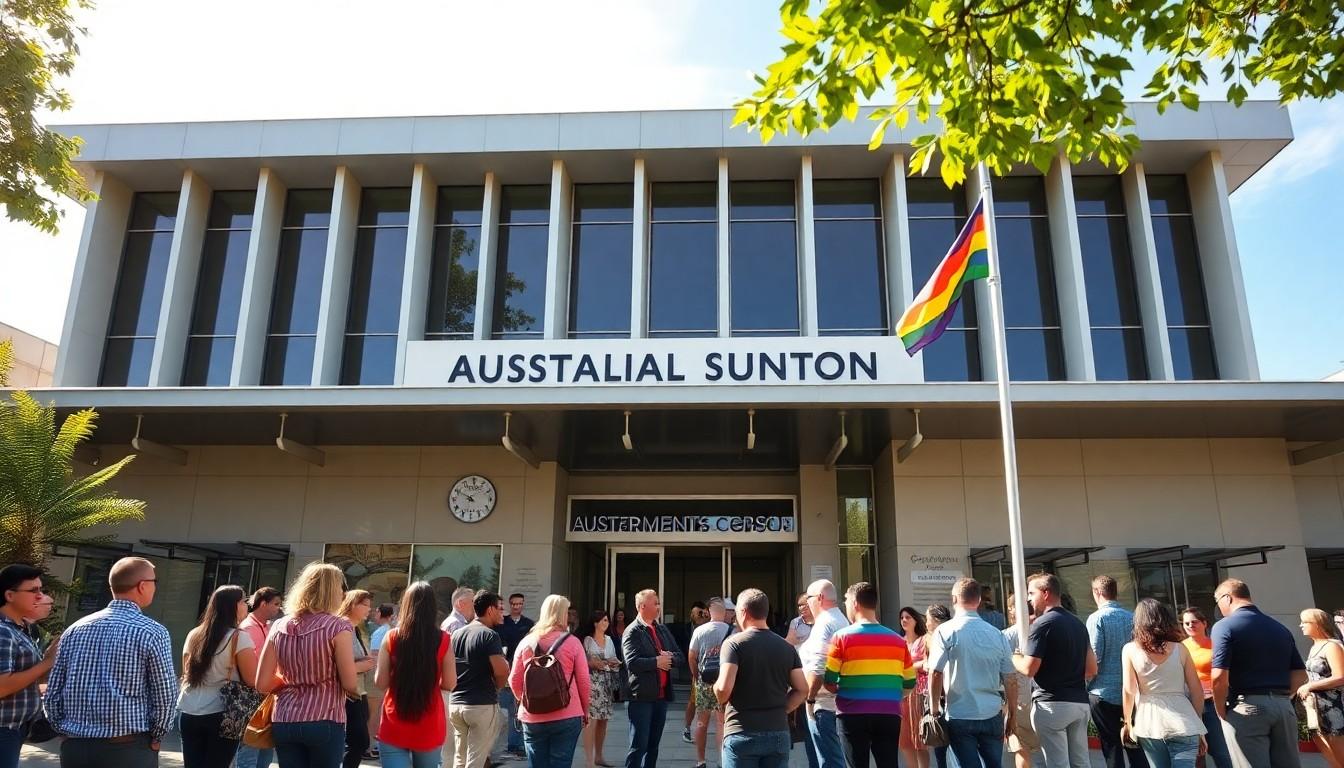
Shoppers, voters and community advocates are watching as Australia’s 2026 census asks new questions on sexual orientation and gender identity , a rare moment where a form can reshape who gets counted, resourced and seen. This matters for queer people, policy makers and services that now have clearer data to plan for needs.
Essential Takeaways
- Historic addition: The census now includes questions on sexual orientation and gender identity, marking a major shift in national data collection.
- Policy impact: New data will influence health, housing and social services planning, helping to target programs where they’re most needed.
- Limits remain: Gender identity questions apply only to people aged 16 and over, and there’s no dedicated intersex question this round.
- Practical outreach: ABS is partnering with homelessness and community services to reach people without stable addresses for fairer counts.
- Signal value: Beyond numbers, the change sends a social message: queer lives are part of the national picture.
Why this feels like a watershed moment for queer Australians
The strongest fact here is simple: the census is no longer just about numbers on age and birthplace, it now asks about sexual orientation and gender identity, a shift that feels tangible and affirming. According to advocates, that inclusion does more than feed statisticians , it signals recognition and belonging for people who’ve long faced discrimination. The change follows years of campaigning by LGBTQI organisations and reflects a broader push in public life to collect data that actually maps lived experience. If you’re wondering why this matters, think practical: services that run sexual health clinics, youth support programs or targeted housing initiatives will be able to plan with better precision.
What was included, and what was left out
There’s progress, but it’s not perfect. The census will ask about gender identity and sexual orientation, yet those gender questions are limited to people aged 16 and older. Intersex representation was tested but ultimately removed from the final questionnaire after confusion in trials, leaving a gap for a small but vulnerable group. Campaigners described the omission as a missed opportunity to gather crucial evidence on income, education and exclusion among people with innate variations of sex characteristics. Still, many in the queer community call the reforms historic , a stepping stone rather than the finish line.
How the politics nearly derailed the change
This wasn’t a smooth policy roll-out. In 2024, a decision to pause testing of the questions sparked a backlash and then a reversal, underlining how culturally charged data collection can become. Demographers called the episode one of the most dramatic intervening moments in recent census history, pointing to political interference that briefly reshaped technical work. That turbulence hasn’t prevented the changes, but it did underscore that what gets counted can be contested in public life. For readers, it’s a reminder that data policy isn’t neutral , it’s shaped by public debate, advocacy and, sometimes, theatre.
Who benefits and how services will change
When planners can see concentrations of need, they can better allocate resources , for example, mental health funding in areas with higher proportions of LGBTQI people, or tailored housing supports for vulnerable youth. The ABS plans to work with community services to improve coverage, especially for people sleeping rough who can’t easily receive a form. Those outreach efforts include counts at soup kitchens, shelters and street clinics so that rough sleepers aren’t simply missed. If you run a local service, now’s the time to talk to your regional ABS contacts about how to help capture accurate local data.
What to watch next and how to respond as a reader
Expect advocacy groups to use the new figures to press for targeted funding and specialised programs; expect researchers to publish fresh analyses that were previously impossible. At home, filling out the census accurately matters more than ever , your answers now help shape services and social recognition for communities across Australia. If you work in policy, health or community services, start thinking how this data might change your planning and tendering cycles. And if you’re part of an organisation that supports vulnerable people, check the ABS guidance on outreach so those voices are included.
It’s a small change on a form that could make a big difference to visibility and services across the country.
Source Reference Map
Story idea inspired by: [1]
Sources by paragraph: