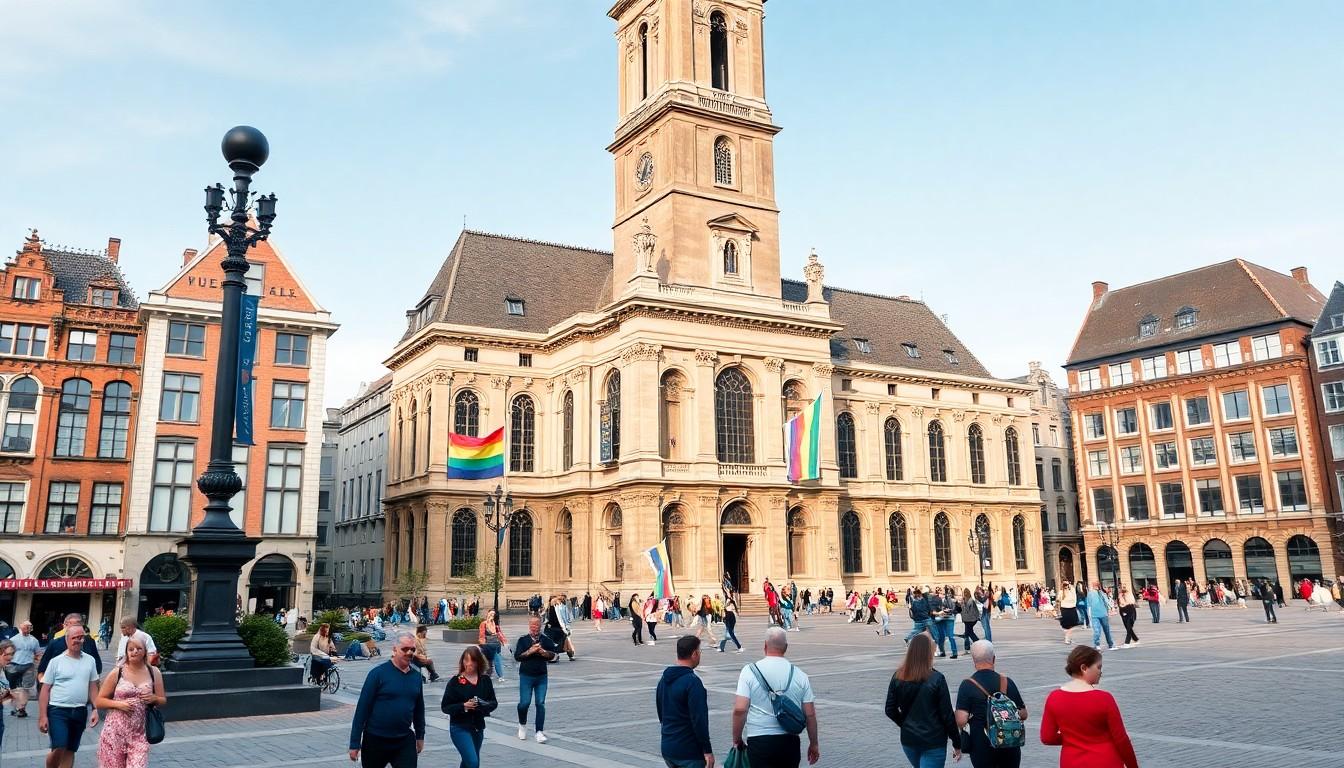
Shoppers and culture-lovers are flocking to De Nieuwe Kerk to see Queer Amsterdam, the Pink City , a vivid, timeline-driven exhibition charting the Dutch capital’s LGBTQ+ story from 17th-century marriages to 21st-century marriage equality. It’s extended to 4 April 2027, so there’s time to plan a thoughtful, sensory visit.
- Historic start: The show opens with a startling 1632 marriage story that underlines how long queer lives have been part of Amsterdam’s fabric.
- Visual impact: Expect oil portraits, a haunting 2024 painting about an HIV diagnosis and tactile maps that feel like city secrets.
- Local landmarks: The exhibition highlights gems like the Homomonument and former cruising spots, giving streetscape context.
- Visitor practicalities: Entry is €25 or included with the I Amsterdam City Card, which also covers transport, a canal cruise and many museums.
- Atmosphere: Subtitled footage, performance ephemera and intimate objects create a quiet, reflective mood rather than a celebratory spectacle.
A powerful opening that roots queer history in the city
The exhibition grabs you with a human story , a 1632 marriage that was annulled after a partner presented as male , and that immediacy sets the tone. Walking in feels like turning pages of a private diary, with candlelit portraits and official documents giving a textured, slightly shadowy feel. According to De Nieuwe Kerk, the show was designed to make Amsterdam’s queer past visible in the very cathedral where some of its dramas unfolded.
That early legal and social drama reframes the city: queer lives were never peripheral, they were part of civic life. For visitors, this means you don’t just learn names and dates, you sense how dangerous and inventive queer existence could be. If you like museums that tell stories rather than list facts, this one delivers.
Objects, art and a new painting that hits home
The curators mix centuries-old portraits with contemporary work, including Thomas van Dun’s 2024 painting Sanctuarium, which was made after his HIV-positive diagnosis and won attention on national TV. The contrast between historic oil canvases and raw modern pieces gives the exhibition emotional range; some displays feel formal, others intimate and painful. You leave with a lump in your throat and a clearer idea of how AIDS, art and activism intertwine.
This approach helps younger visitors connect to recent struggles, and it reminds older visitors of the real people behind headlines. Museums that blend archival artefacts with fresh artistic voices usually land better emotionally, and that’s very much the case here.
Maps, cruising spots and the city as stage
One of the exhibition’s clever touches is a large map showing historic gay bars and cruising spots from the 1850s to the 1940s, plus a wooden model of the old city hall that reveals how public spaces were used as secret meeting places. The explanation of ‘kruysplaats’ , where a cough, a touched foot or an exposed elbow signalled interest , feels conspiratorial in the best way.
Local guides and the Homomonument features remind you that Amsterdam’s public landscape holds queer memory in plain sight. For anyone curious about urban queer geography, this is a masterclass in how streets and architecture can shelter lives that official records try to erase.
Why the extension to 2027 matters
WorldPride is a moment; this extension makes the exhibition lasting infrastructure. Amsterdam’s decision to keep Queer Amsterdam open until April 2027 turns a festival highlight into an enduring educational resource. The city’s cultural office and De Nieuwe Kerk framed the show as a legacy piece after WorldPride, and keeping it open means schools, researchers and tourists can see the exhibition outside the main event crush.
If you’re planning a trip, this gives more breathing room , and a better chance to combine the show with other venues across the city. It also signals that queer history isn’t a temporary spotlight but part of Amsterdam’s permanent story.
Practical tips: visiting, tickets and pairing your day
Entry costs €25, but it’s included on the I Amsterdam City Card, which also covers public transport, a canal cruise and entry to many museums. Pick up a card if you plan two or more attractions in a day; it’s often better value and saves queuing. Aim for weekday mornings if you prefer a quieter visit, and allow at least 90 minutes to take in audio, subtitled footage and the objects.
Pair the exhibition with a stroll to the Homomonument and a stop at the waterfront for a canal view. Nearby MOCO and Rembrandt’s house make easy cultural add-ons, and cycling between sites keeps the day feeling local rather than touristy.
It's a small change that can make every visit feel like an education and a tribute.
Source Reference Map
Story idea inspired by: [1]
Sources by paragraph: