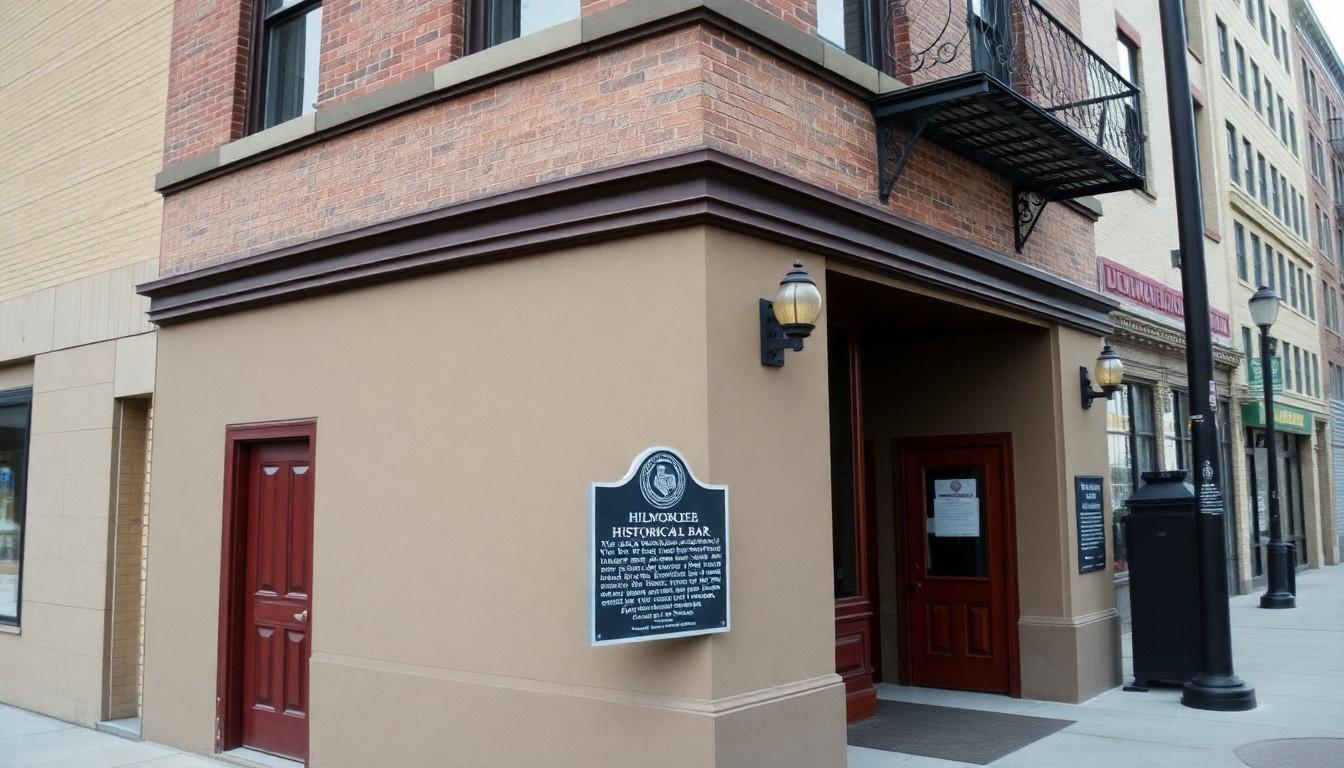
Shoppers and history buffs are spotting new markers and rainbow crosswalks around Milwaukee as the city formally begins to name and celebrate its LGBTQ past; residents say the plaques, crossings and restorations matter because they make once-hidden stories visible where people live, work and gather.
Essential Takeaways
- Three state markers: Wisconsin Historical Society approvals now recognise three Milwaukee LGBTQ sites, bringing neighbourhood stories into public view.
- Visible symbols: Rainbow crosswalks and plaques give a sensory lift to the streets , colourful, unmistakable, and easy to spot.
- Bar heritage emphasised: The current commemorations focus on historic gay bars, places that functioned as safe havens and community centres.
- Ongoing effort: More markers and restorative projects are in the pipeline, though a state moratorium complicates official placements.
- Local nuance: Many LGBTQ organisations were nomadic, so choosing a single site for a marker requires careful local decision-making.
Why these markers suddenly matter , and why they feel emotional
You can see the change in a glance: a rainbow crosswalk or a small metal plaque transforms an ordinary corner into a place with a story, and it lands with a quiet, emotional impact. According to local coverage, the Wisconsin LGBT History Project and Milwaukee Pride, Inc have pushed visibility projects for several years to reclaim sites where queer people gathered, loved, and organised. Those gestures are tactile , paint, metal and stone , and they make history something you encounter on your way to work or coffee. For residents, that visibility isn’t decorative only; it’s a form of recognition that validates everyday lives erased for decades.
The bars that shaped community life , from hidden lounges to public stages
A surprising through-line of the new landmarks is how many are tied to bars and nightlife. This Is It, M&M Club and earlier venues were more than places to drink; they were refuges and organising hubs at times when queer life had to be discreet. Reports note that some venues only revealed queer signage late in life, while others made bold acts of visibility , like removing boarded-up windows , that signalled defiance and demand for equality. If you’re choosing which histories to elevate, these spaces are foundational, because bars were where people met, planned protests, and practised living openly.
How crosswalks and plaques fit into a broader preservation push
The rainbow crosswalks in Cathedral Square and Walker’s Point show how visual symbols and formal markers can work together. Milwaukee Pride, Inc has funded crosswalk renewals and spearheaded installations to mark anniversary moments and individuals tied to local queer history. Meanwhile the Wisconsin Historical Society’s Landmarks Program has approved state markers recognising early incidents and longstanding venues. The mix of grassroots funding and institutional approval reflects a trend: communities initiate remembrance, and official bodies catch up , sometimes slowly, but often with momentum once research and advocacy coalesce.
Why some stories are still missing , nomadic institutions and a moratorium
Not every important LGBTQ institution has a fixed address; many groups moved multiple times, which complicates marker placement. Add a current application moratorium on state markers, and you’ve got a situation where people might choose to install unofficial plaques or local memorials while the formal process is paused. That’s practical: a local group can follow state criteria and erect its own marker to keep history visible rather than waiting years for bureaucracy to resume. For communities with nomadic histories, that DIY approach is a sensible stopgap.
What to look for and how to experience these sites
If you’re planning a walk or a small tour, start at Cathedral Square and the rainbow crosswalks, then head to Walker’s Point and the lower East Side to see plaque locations and building fronts. Look, too, for restorations such as the Catherine Foley Saloon project, where preservationists are working to return a Levi/Leather bar site to public memory. Practical tip: bring a camera and a respectful curiosity, because many of these sites are on busy streets and neighbourhoods where people still live and work. Read the short marker texts and, if possible, check local archives or library pages for oral histories that expand what a plaque can say.
Closing line It’s a small change that makes the past visible on ordinary streets , and gives Milwaukee’s queer story a rightful place on the map.
Source Reference Map
Story idea inspired by: [1]
Sources by paragraph: