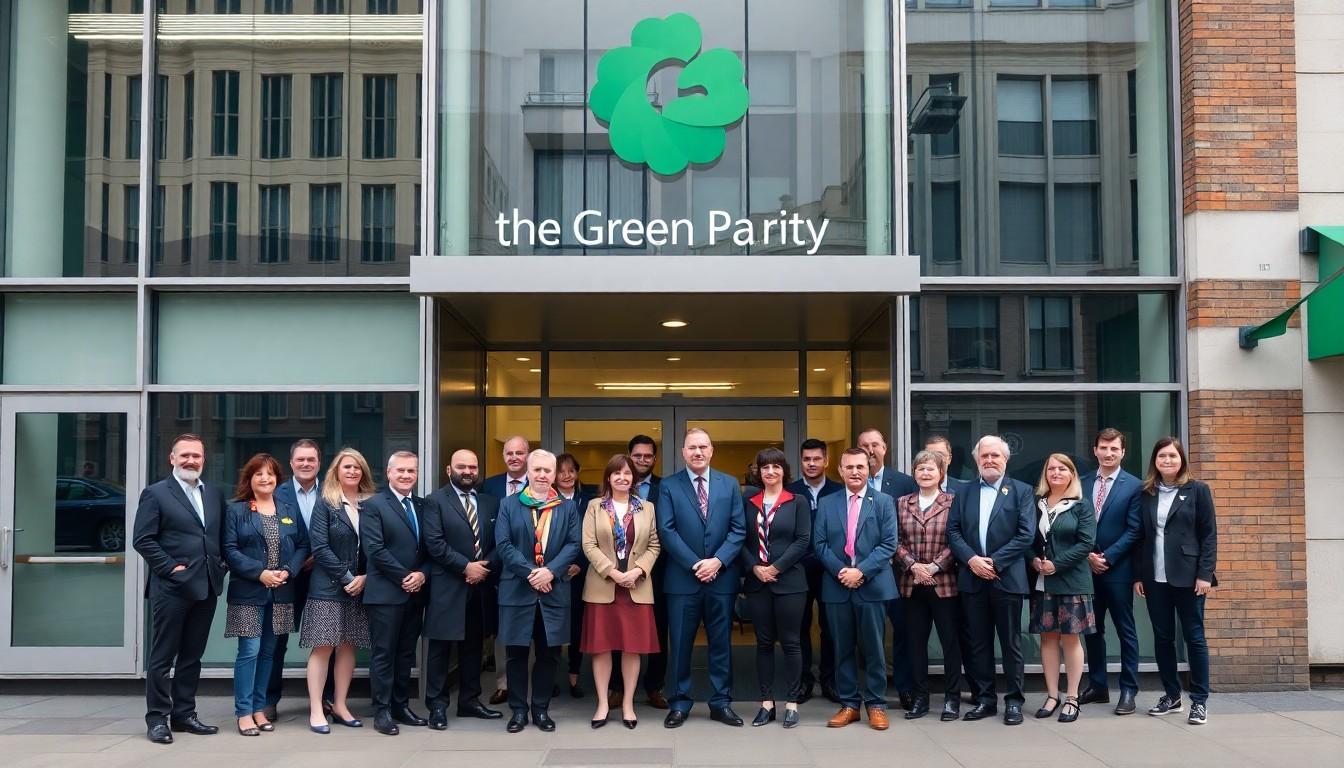
Shoppers and residents have noticed a sudden policy shift: six Green-led London councils are urging ministers to introduce fresh laws to protect trans and non-binary people after the EHRC’s new single-sex spaces code came into force, arguing it risks excluding people from services they need.
Essential Takeaways
- Who acted: Six London councils led by Green Party leaders have written an open letter to the minister for women and equalities calling for new legislation to protect trans and non-binary residents, and pledging to resist parts of the new guidance.
- What changed: The EHRC code of practice follows a Supreme Court definition of sex as the sex assigned at birth and says single-sex services should be accessed in line with that definition or via gender-neutral facilities where available, affecting toilets, leisure and support services.
- Local impact: Councils , big providers of leisure, homelessness and health services , say the code could make trans people feel excluded and at risk, so they’ll review internal policies to prevent discrimination.
- Tone and feeling: Leaders described the guidance as harmful and an “attack” on trans people, signalling a local-versus-central clash over inclusion and practical service delivery.
What the new EHRC code actually says and why councils are alarmed
The strongest change is procedural: the EHRC’s updated code of practice clarifies that, following the Supreme Court, “sex” under the Equality Act is the sex assigned at birth. That means where a provider offers “single-sex” spaces they must ensure access aligns with that legal definition, or offer a gender-neutral alternative. The wording has immediate, sensory consequences , a person may now be told to use a different toilet or changing room, which feels jarring and humiliating for many.
Councils are on the front line for this kind of guidance, because they run leisure centres, shelters and adult social care hubs. According to government publications, organisations are being urged to prepare for compliance with the code; meanwhile local leaders say the practical effect will be exclusion rather than clarity. If you manage a public facility, this is the moment to audit signage, policy and staff training so your approach is clear and compassionate.
Who signed the letter and what they’re demanding
The open letter was signed by the Green Party leaders and mayors of six London boroughs: Lambeth, Southwark, Haringey, Waltham Forest, Hackney and Lewisham. They told the minister for women and equalities in no uncertain terms that trans women are women and trans men are men, and they described the code as harmful to rights and community safety.
Their ask is simple and legislative: introduce new laws to guarantee that trans and non-binary people can access services safely and with dignity. They’ve also pledged to review internal practices so no one in their boroughs is excluded because of council action. That’s an organisational and moral stance that signals these councils will try to shield local residents even as national guidance tightens.
How this will play out in everyday services , toilets, shelters, leisure centres
On a practical level, the code forces service providers to map where “single-sex” spaces exist and decide how they will respond if someone’s legally defined sex differs from their gender identity. The gov.uk guidance and draft code spell out the steps organisations should take to implement equality law, but they don’t erase the awkward, human moment when someone is redirected at a door.
If you run or use a facility, a quick checklist helps: ensure there are genuinely accessible gender-neutral options, train staff in de-escalation and dignity-first approaches, update signage thoughtfully, and consult local LGBTQ+ groups about how changes feel on the ground. That small, tactile work , fresh paint on a cubicle door or a warm script for staff , matters more than a press statement.
The wider political and social picture: local resistance meets national instruction
This row is about more than signs on doors; it’s a microcosm of a wider tug-of-war between local authorities wanting inclusive services and national bodies clarifying legal definitions. The government has published the draft code and accompanying guidance to help organisations comply, and charity-sector briefings have urged preparation for the new rules. At the same time, councils in sanctuary boroughs are signaling they won’t passively accept changes that they judge harmful.
Expect legal challenges, local policy updates and a lot of consultation in the coming months. For residents, that means services may change slowly, and councils will likely post updates as they review practices. There’s also a reputational stake: councils that move quickly to reassure communities may earn trust, while those that don’t could face protest.
What residents and service managers can do now
If you’re a resident, check your local council’s website for updates and say if a policy feels unsafe , councils have pledged to listen. If you manage services, document your risk assessment, provide clear gender-neutral options and train staff using dignity-focused language. According to government guidance, preparing now will make compliance smoother, but the spirit of how you handle individuals will determine whether the change feels bureaucratic or painful.
And if you care about community cohesion, send a polite, evidence-based note to your local councillors explaining the real-world consequences of exclusionary practices , small civic nudges do change policy.
It’s a small change in wording with big effects; councils and communities will shape how it feels day to day.
Source Reference Map
Story idea inspired by: [1]
Sources by paragraph: