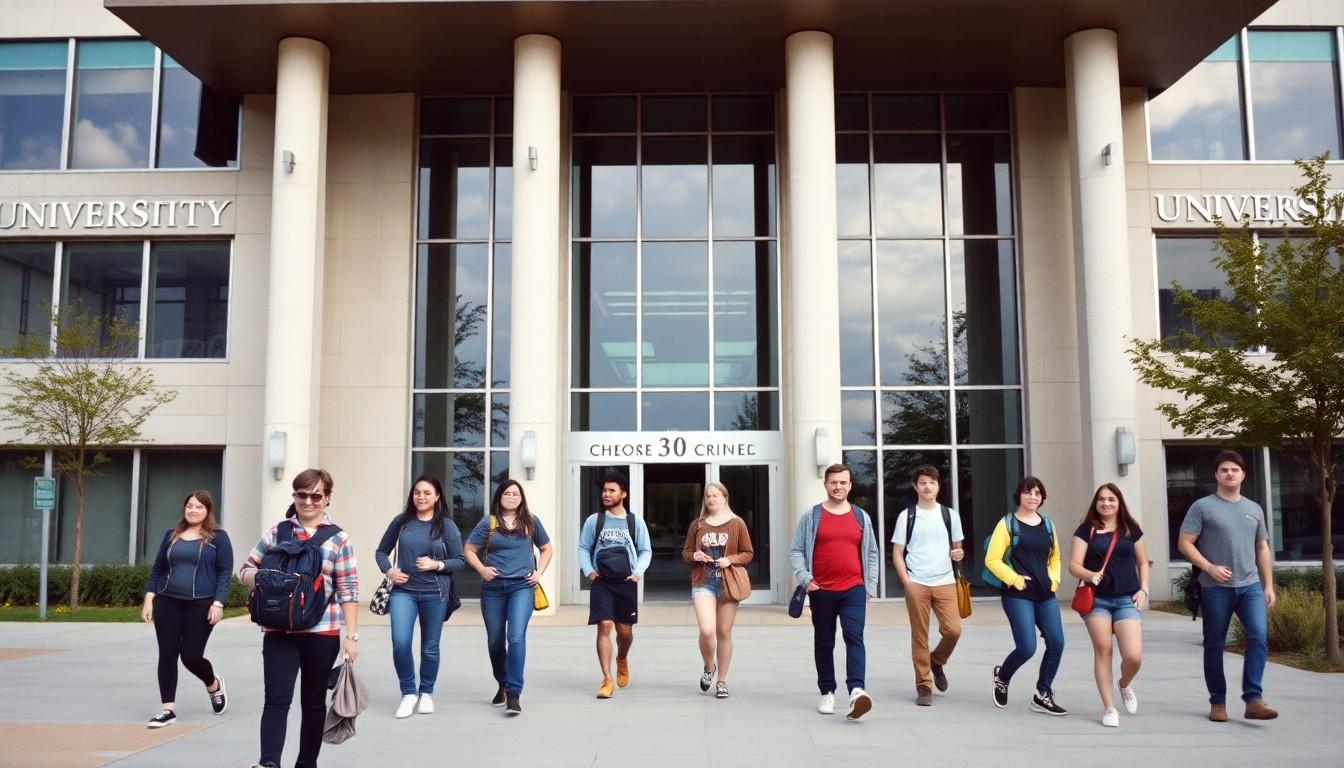
Remembering how campus life shifted: students, staff and activists built the first above-ground LGBTQ+ groups, fought for recognition, and created the support systems that make university life safer and louder today. This matters if you’re a current student, alum, parent, or anyone curious about the long-tail impact of campus organising.
Essential Takeaways
- Historic roots: Early campus LGBTQ+ groups formed underground in the late 1960s and early 1970s, often meeting off-campus with a furtive, tense feel.
- Legal turning points: Court rulings forcing university recognition established free-speech and association precedents that opened doors for other groups.
- Mixed campus culture: Progress has been uneven , some universities welcomed LGBTQ+ centres early, while others resisted under political pressure.
- Visible change: Simple public gestures of affection by young people today feel like hard-won freedoms compared with earlier decades.
- Practical tip: If you’re starting or joining a group now, seek campus legal and student-government support early; documented precedent helps.
Campus organising began quietly, almost like a whisper
In the years just before and after 1969, students who wanted community had to find each other off-campus, often in diners or small rooms, where the mood was equal parts relief and fear. Those first meetings smelled of coffee and cigarette smoke, and of course, guarded conversation. According to university archival pages and early GLF histories, a handful of schools were exceptions, but most student groups were underground and fragile. If you’re picturing a riotous first meeting, think instead of careful introductions, the sharing of names, and the relief of not being alone.
Denial of recognition sparked legal fights and public visibility
When university administrators refused to recognise gay student groups, those denials didn’t just hide communities , they catalysed challenges that brought the issue into courtrooms and campus papers. A famous California case forced recognition on First Amendment grounds and showed how legal argument could protect speech and association on campus. That shift from secrecy to formal recognition is what turned isolated individuals into an organised movement with rights and responsibilities, and it’s why student governments, campus newspapers, and supportive faculty often became key allies.
Early centres and resource hubs set the template for today
Institutions such as Cornell and a few West Coast campuses had recognised resource centres earlier than most, providing models for what a campus LGBTQ+ centre could offer , counselling referrals, literature, and a place to meet. Libraries and student-affairs archives trace how those services evolved from a stack of pamphlets to bilingual outreach programmes and dedicated staff. For anyone forming a group now, those early templates show the importance of clear aims: social support, political advocacy, education, or a mix of all three.
The GLF and student networks changed the conversation
National movements like the Gay Liberation Front helped stitch together campus efforts into a broader tapestry of activism. Meeting reports and contemporary exhibits show the GLF’s role in encouraging direct action, consciousness-raising, and mutual aid across campuses. That network made it easier for students at smaller colleges to learn tactics, share legal strategies, and find mentors. If you want practical advice, reach out to established organisations and archives for model constitutions, event guides, and sample letters to administrators.
Today’s students are louder, more visible, but the work isn’t done
Walk across any university quad now and you’ll likely see same-sex couples holding hands without fear , a simple, reassuring sight that would have been rare decades ago. Yet campus climate surveys and news reports show pockets of hostility remain, and political shifts can roll back protections. That makes student groups and campus centres as vital as ever; they provide safety, advocacy, and a place to build resilience. For organisers, that means balancing social events with policy work and keeping legal allies close.
How to choose or start a campus LGBTQ+ group now
Start by asking what the community needs: social connections, advocacy, or resources for trans and bi students often omitted from older models. Secure student-government recognition early to access funding and space. Partner with campus counselling and equity offices, document interactions with administrators, and publicise work through student media. Small gestures , inclusive pronoun signs, gender-neutral toilets, and visible ally training , add up and signal that your group is serious and sustainable.
It's a small change that can make every campus feel more like a place to learn and be yourself.
Source Reference Map
Story idea inspired by: [1]
Sources by paragraph: