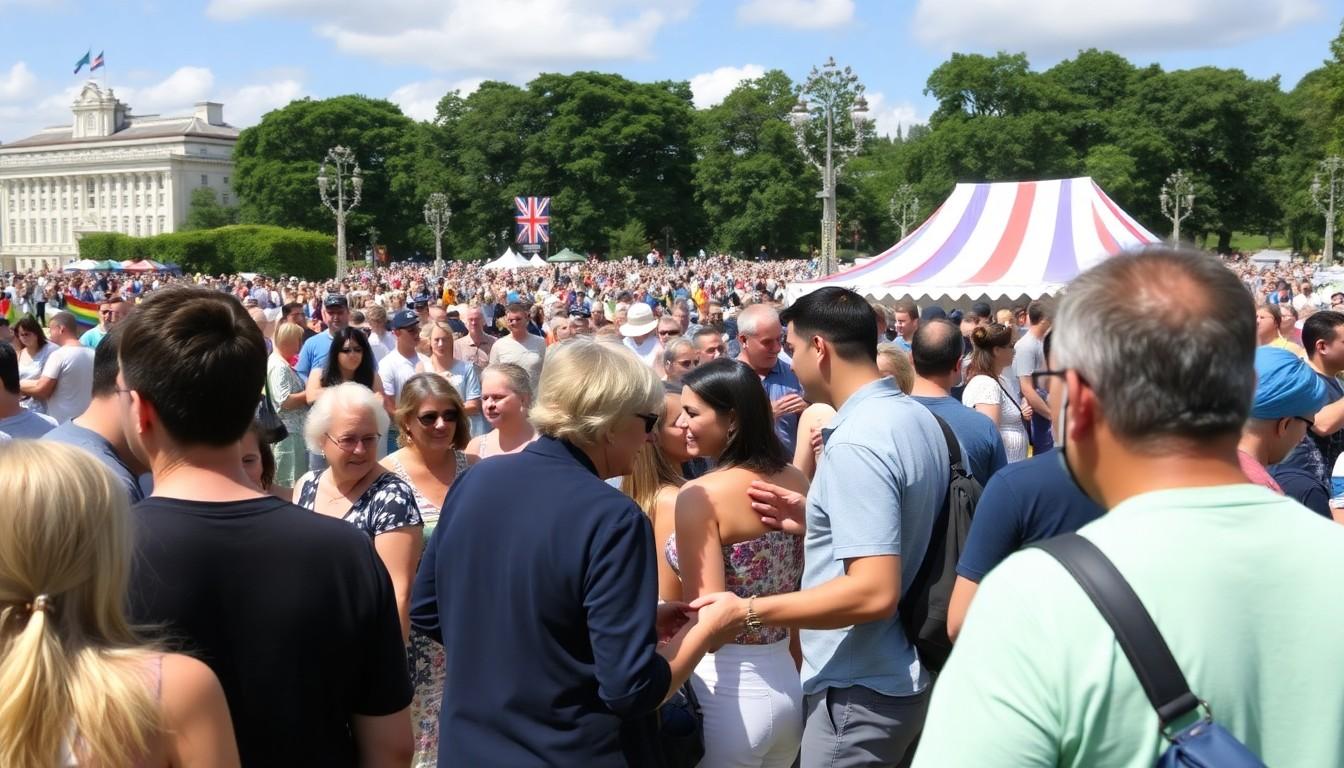
Shoppers and festivalgoers turned out in force as Diana Ross closed Brighton and Hove Pride 2026, delivering sequins, a new song and a stirring moment of togetherness at Preston Park , a UK live-show exclusive that mattered for the event’s 35th anniversary and for anyone who came to dance, cry or simply be seen.
Essential Takeaways
- Headline moment: Diana Ross headlined Pride on 2 August at Preston Park, opening with I’m Coming Out and closing with Thank You, delivering three costume changes and a new song called Be You.
- New music: Be You debuted at the festival; it’s a simple, disco-leaning anthem about joy and freedom that the crowd learned on the night.
- Emotional peak: A call-and-response gratitude moment led into Reach Out And Touch, creating an unexpectedly tender field-wide moment of community.
- Supporting acts: The weekend included performances from RAYE, Holly Johnson with the Brighton Gay Men’s Chorus, Paris Hilton and Melanie C, giving a varied, nostalgia-and-now programme.
- Anniversary context: This year marked the 35th anniversary of Brighton Pride in its current run, a festival with roots back to 1973 and a revival from 1991.
A showstopper entrance , sequins, cape and a full park singing back
Diana Ross let the tension build with a long film package before she appeared, then walked out in a silver-white sequinned gown and a cape big enough to register on the Sussex wind. The first bars of I’m Coming Out hit and the park erupted; it’s the kind of physical, emotional reaction you only get when a song has lived inside a community for decades. Audience members told reporters they’d been waiting for that moment all weekend, and when it arrived it sounded like the field itself was singing.
The presentation leaned into spectacle but kept it warm; Ross handled the gusts like theatre, holding the cape so it billowed at the right time. That mix of glamour and gentle humour , “I’m 82, right? Move it or lose it,” she quipped , made the entrance feel both triumphant and human.
New song, same message , Be You lands even without the lyrics
Be You arrived late in the set and wasn’t familiar to anyone in the crowd, which is often a risky move at a festival of singalongs. But the tune’s disco beat and plainspoken lyrics about joy and freedom needed no prior knowledge; the park swayed collectively and the sentiment landed. Critics noted it’s not a chart-topper yet, but the purpose-built nature of the song , written for Brighton , made it a meaningful gesture.
For anyone picking festival highlights, the takeaway is simple: debuting new material at an event like Pride isn’t about breaking records, it’s about adding to a shared night. If you’re considering how artists test new songs live, this was a neat example , a gentle introduction in front of a forgiving, enthusiastic crowd.
The quiet moment that mattered more than a costume change
Between the hits and the choreography the emotional high came when Ross led a call-and-response about gratitude and then moved into Reach Out And Touch (Somebody’s Hand). Strangers were holding hands across Preston Park, and the cameras caught long, unshowy shots of people smiling and sobbing in the same breath. For many, that was the evening’s spine: spectacle surrounding something quietly human.
Pride organisers and fans alike pointed to this as proof that large-scale pop shows can still create intimate moments. From a programming point of view, balancing the theatrical with the tender paid off; it turned a stadium-style setlist into a communal ritual.
A stacked weekend , nostalgia, pop and contemporary spark
Brighton Pride 2026 wasn’t just about one headline. RAYE closed Saturday, while Sunday’s bill mixed icons and current chart voices: Holly Johnson joined the Brighton Gay Men’s Chorus, Paris Hilton made a theatrical appearance, Melanie C DJed with nostalgic spice, and Five dusted off choreography that still landed. The result was a weekend that played to a wide age range and a range of tastes.
That blend feels intentional. Pride wants to be both a celebration of queer history and a platform for now, and this lineup hit both notes. If you’re picking which Pride events to attend in future years, look for programmes that mix legacy acts with current stars , that’s where you get the best cross-generational moments.
Why Brighton still matters , history, heart and a noisy field
Brighton’s Pride roots go back to a small, brave march in 1973 and the festival’s modern run counts from 1991, which explains the “35 years” framing. This history gives the festival a particular gravity; it’s not just another date on the calendar, it’s a community milestone. Having Diana Ross headline as a UK live-show exclusive amplified that feeling, turning an anniversary into a headline-making cultural moment.
For first-time attendees, the practical bit is this: get there early, wear layers (the Sussex wind will judge your costume choices) and expect to be moved. For longtime fans, the weekend proved that even in its big, polished form Pride can still make strangers hold hands in a field and mean it.
It's a small change that can make every performance feel like it was made for the people there.
Source Reference Map
Story idea inspired by: [1]
Sources by paragraph: