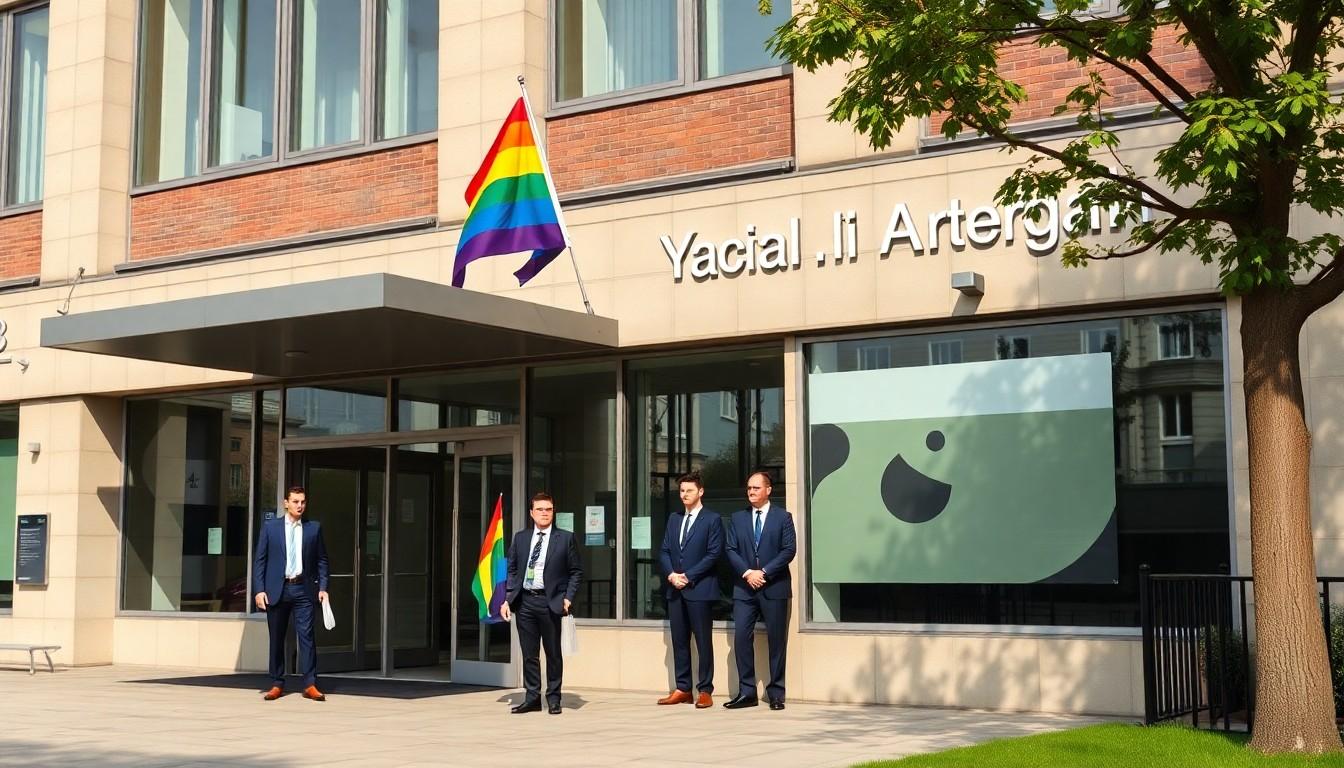
Shoppers and voters are watching as ministers weigh how to protect clinic access while respecting faith , a tussle over buffer zones and a trans‑inclusive conversion therapy ban that matters to churches, chaplains and families across England and Wales. Here’s what’s at stake and how to think about it.
Essential Takeaways
- Buffer zone rule: The Public Order Act 2023 creates 150‑metre safe access zones around abortion clinics, making harassment or obstructive behaviour an offence.
- Religious concern: Some Christian groups say the rules, plus conversion therapy proposals, risk criminalising pastoral care, quiet prayer or public preaching near facilities.
- Conversion therapy bill: Government draft plans aim to ban practices that cause harm trying to change sexual orientation or gender identity, with penalties for causing distress.
- Practical tension: Lawmakers and campaigners want clear definitions so legitimate healthcare, counselling and religious expression aren’t swept up.
- How this feels on the ground: People report awkward, emotional moments , a chaplain offering comfort could find themselves under scrutiny; families worry about boundaries when advising children.
Why buffer zones matter now , and why they feel personal
The strongest immediate fact is simple: a 150‑metre safe access zone is now law in England and Wales, and it changes what the public can lawfully do near clinics. For someone walking past, the difference is barely visible; for a woman entering a clinic or a street preacher nearby, it can feel very charged. According to government sources and legal summaries, the measure targets behaviour that influences, obstructs or harasses people accessing services. The emotional texture matters , onlookers describe a hushed, tense atmosphere where good intentions meet hard boundaries.
This law grew from years of campaigning to protect clinic users from intimidation and distress. But conservative Christian voices argue the breadth of the offence could catch pastoral acts that are not intended to coerce. In conversations with campaign groups and legal briefings, the debate has swung between protecting individual safety and preserving space for public expressions of religion. If you’re choosing where to stand or what to say, consider proximity, tone and consent; those details will determine whether an action feels like pastoral care or unlawful interference.
What the conversion therapy draft actually tries to do
The government’s consultation and draft bill set out to criminalise harmful attempts to change someone’s sexual orientation or gender identity, with penalties including prison or unlimited fines for causing serious distress. That aim attracted support from human rights bodies and LGBT+ groups because it focuses on protecting vulnerable people from abuse. But the devil is in definitions. Officials stress the law will exclude legitimate medical treatment and consensual support, yet faith groups worry pastoral conversations, parental advice or prayer could be misread.
Parliamentary briefings and government FAQs try to draw clear lines between abusive practices and permissible support. Still, critics say “harm” and “distress” are open to subjective interpretation. If you’re a pastor, parent or therapist, the practical advice is to document consent, stick to evidence‑based counselling and ensure people understand the nature and limits of any intervention. That reduces risk and shows good practice.
How faith groups are responding , caution, challenge and calls for clarity
Many evangelical and conservative Christian organisations have voiced deep concerns, saying new laws shrink the space for public faith expression. Others, including human rights organisations, welcome protections for those who’ve suffered from abusive “conversion” efforts. The Equality and Human Rights Commission has urged precise legal drafting to protect medical treatment and freedom of religion and expression.
This conversation is already being litigated and teased out in legal guidance and case law, including Northern Ireland examples where open‑air preaching near healthcare sites provoked convictions. So churches and chaplains are updating safeguarding policies and training volunteers on how to offer support without straying into restricted conduct. Practical steps , like meeting people offsite, asking for consent before prayer, and avoiding direct approaches outside clinics , will help avoid clashes.
What ministers will be judged on , political and social tests
Political watchers say enforcement and interpretation will be a defining test for any government, because it exposes tensions between competing rights. Andy Burnham and his administration have been urged to defend religious freedoms while also implementing protections for clinic users and LGBT+ people. How officials balance enforcement, guidance and prosecutions will shape public trust.
From a voter’s point of view, this isn’t an abstract legal debate: it’s about whether a grieving parent can receive scripture from a hospital chaplain without fear, or whether a young person can access protection from coercive “therapy.” Expect more parliamentary debate, judicial challenges and attempts to tighten statutory guidance. For campaigners on both sides, the message is similar , demand clarity, transparency and predictable rules.
How to navigate the new landscape , simple tips for churches, chaplains and families
If you’re involved with a faith group or pastoral care, start by reviewing your policies against government FAQs and parliamentary briefings. Keep interactions consensual, low‑key and away from clinic entrances where possible. Train volunteers on what counts as influence or obstruction and document requests for help. Parents worried about conversations with children should seek qualified guidance and avoid taking decisions that could be misconstrued as coercive.
For the general public, a good rule is to prioritise the immediate needs and safety of clinic users while exercising religious expression in ways that don’t interfere with others. That practical compromise will reduce conflict and keep charitable, pastoral instincts alive without risking legal trouble.
It's a small change that can make every encounter clearer and safer for everyone.
Source Reference Map
Story idea inspired by: [1]
Sources by paragraph: