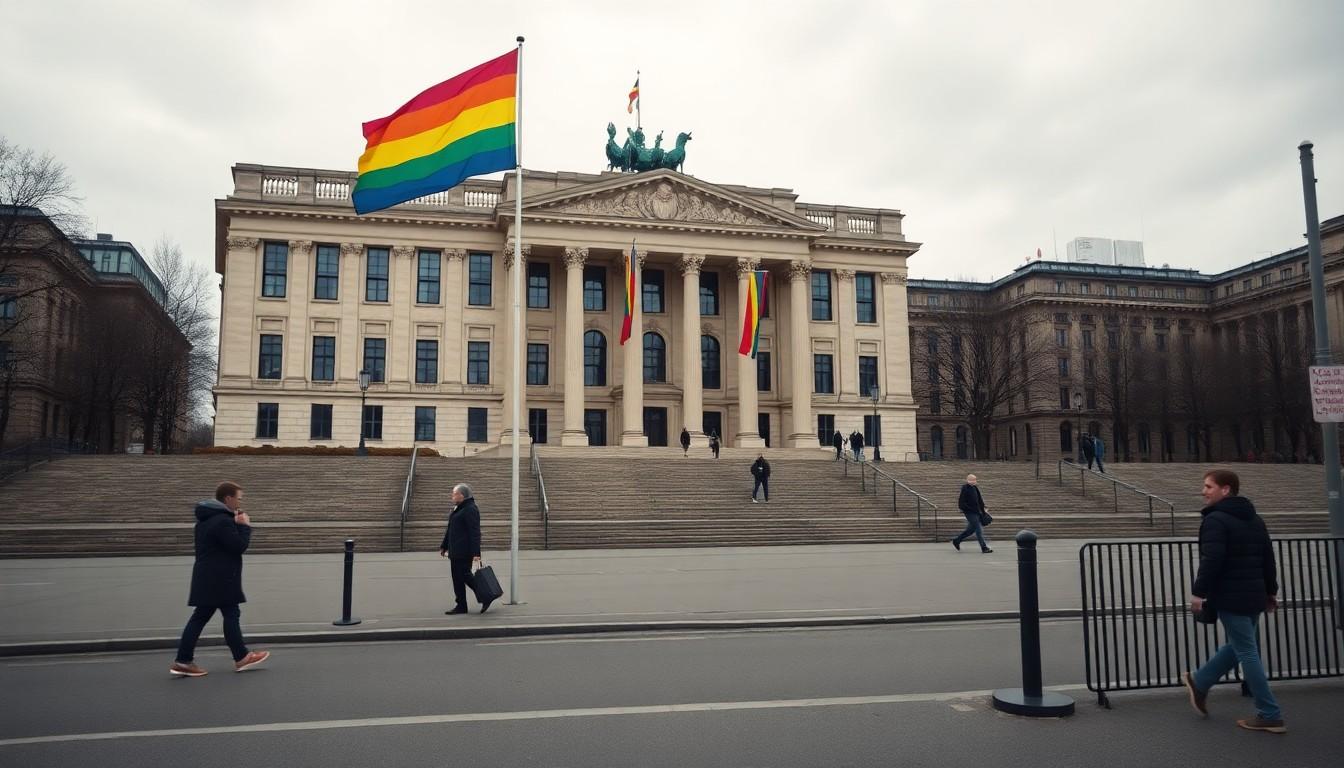
Shocked communities are demanding more than words after the Islamist attack at Berlin’s Christopher Street Day; activists say government funding shifts risk hollowing out the very projects that keep queer people safe and heard. Here’s what’s changed, who’s affected and practical steps for policymakers and communities.
Essential Takeaways
- Immediate impact: The CSD attack in Berlin left many queer people shaken and raised urgent questions about public safety and state responsibility.
- Rising hate crimes: Official figures show an upward trend in queerphobic offences, with a notable increase in violent incidents against LSBTIQA+ people.
- Funding shake-up: The federal “Demokratie leben!” programme is being reconfigured, and several queer projects face discontinued grants by year-end.
- Community demands: Queer organisations want real consultation, protective measures and explicit constitutional recognition.
- Practical priority: Protecting events needs both emergency funding for security and sustained investment in anti‑hate education and local support services.
What happened at the CSD and why it still matters
The attack at Berlin’s Christopher Street Day stunned participants and onlookers, and left many feeling less safe in public spaces they once took for granted. The physical shock has a sensory echo: people tell reporters they now flinch at loud noises and crowds in a way they didn’t before. According to media coverage, several people were injured and authorities treated it as an Islamist-motivated act.
That moment has reopened long‑running debates about protection for queer communities. Organisations that represent LSBTIQA+ people say the incident wasn’t entirely unforeseeable , hate crime statistics have been climbing and violence is increasingly prominent. For readers, the point is simple: festivals and pride events are both celebration and civic ritual, and when they’re targeted it undermines everyday freedoms.
Why funding changes matter for on‑the‑ground work
The federal reorientation of the “Demokratie leben!” funding stream has put a number of grassroots queer projects at risk. Locally run youth counselling, anti‑discrimination training for public services and small pride events rely on these grants; when money stops, so do services that feel soft but are actually life‑saving.
Organisers in towns such as Rathenow have already seen support cut, leaving them scrambling for funds for basic things like stage equipment and security staff. The consequence is practical and immediate: fewer staffed help lines, less outreach in schools, and smaller or less secure community gatherings. Policy shifts that redirect funds towards deradicalisation without matching investment in victim support create gaps activists say are dangerous.
What queer groups are asking for , and why they’re sceptical of platitudes
Community leaders want more than statements of sympathy from politicians. They’ve asked for meaningful consultation, binding protection measures and a place at the table when policies affecting their safety are drawn up. Some have also called for explicit constitutional protection, proposing the inclusion of queer people in the non‑discrimination clause of the Basic Law.
There’s a palpable frustration that public officials speak “about” the community rather than “with” it. That distrust colours reactions to ministerial announcements promising new priorities; activists welcome deradicalisation funding but insist it can’t replace targeted, preventative work and stable support for local organisations.
How policymakers can actually help right now
There are a few straightforward moves that would make a practical difference. First, ring‑fence emergency funding so events can hire security and support services this season. Second, preserve and adapt education and prevention grants that train school and municipal staff in inclusive practice. Third, open structured consultations with queer groups so policy design reflects lived experience.
Transparency matters too: clear guidelines on how funding decisions are made will reduce uncertainty. And if the government is serious about preventing further attacks, it should match rhetoric with sustained budgets for community resilience work alongside any deradicalisation programmes.
What grassroots groups and supporters can do today
Communities can’t wait for big political fixes. Local groups should document needs clearly, pursue diverse funding , from local councils to foundations , and form coalitions to amplify asks. Volunteers can be trained in low‑cost ways to support hotlines and safe spaces, while allies can push local representatives for immediate security grants.
If you want to help: donate to vetted local organisations, attend community assemblies, and press MPs for both short‑term protective measures and long‑term policy commitments. Small acts add up to real protection when the state’s responses lag.
It's a small change in approach, but insisting on funding that keeps queer people safe and heard could make every public space a little less fearful.
Source Reference Map
Story idea inspired by: [1]
Sources by paragraph: