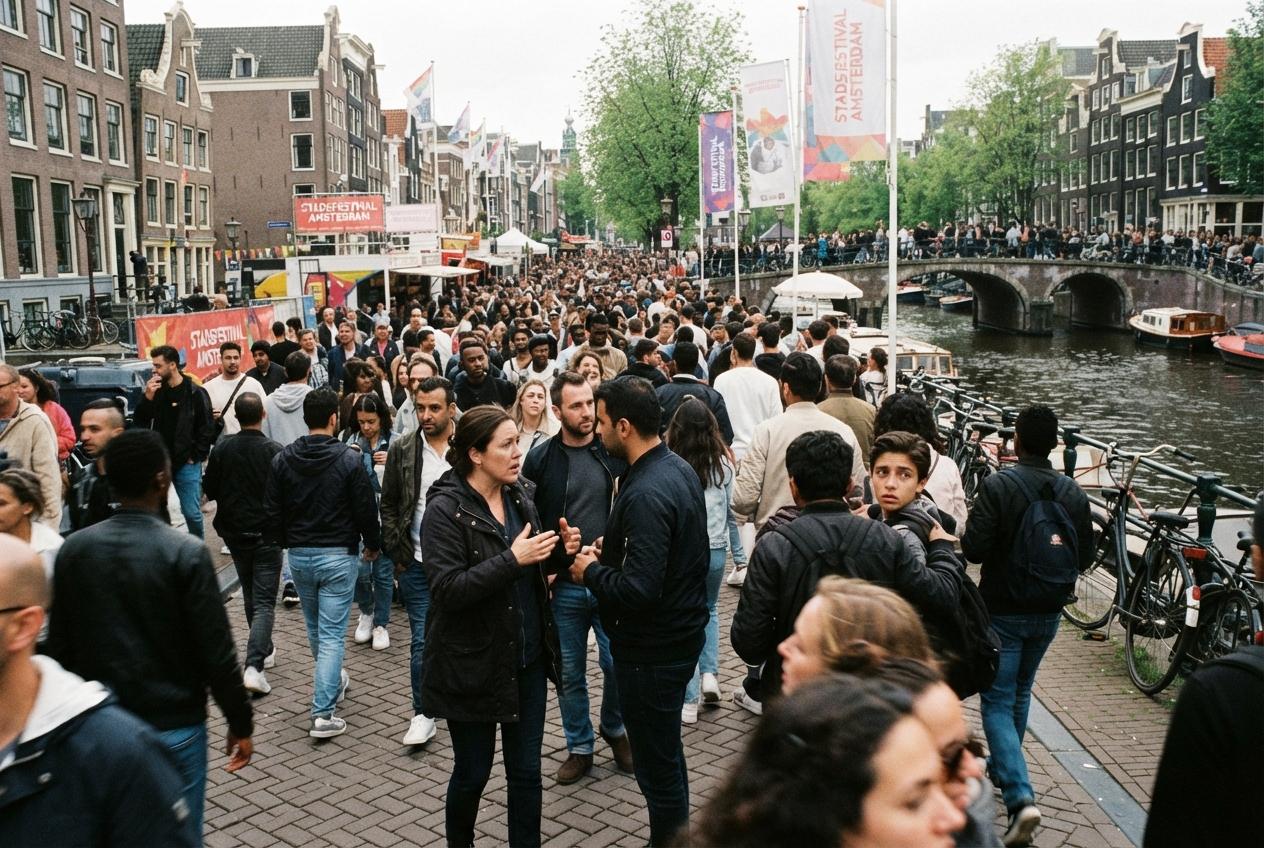
Shoppers and visitors noticed a worrying spike: more than 170 people reported discrimination during the second weekend of WorldPride in Amsterdam, prompting organisers and the city to step up reporting and safety measures as the festival continues.
Essential Takeaways
- Reported surge: Over 170 discrimination incidents were logged in the second WorldPride weekend, more than double the first-weekend tally.
- Where it happened: Most reports occurred while people were travelling between venues, suggesting transit and public streets remain vulnerable.
- Support measures: More than 40 Safer Spaces were opened across Amsterdam to offer immediate help and a calm place for affected people.
- Follow-up action: Reports are shared with the police and the municipality; the reporting hub plans meetings to discuss potential new measures.
Organisers sounded the alarm , a sharp rise in reports, and a worried tone
The reporting hub “Rita (Report it, Always)” recorded a marked jump in submissions during the second WorldPride weekend, with organisers saying the numbers are a clear sign that many LGBTQ+ people still don’t feel safe in public. According to reports, the incidents were largely experienced while people were on the move , commuting between parties, marches and venues , which gives the data a particular urgency. Advocates argue these are not isolated complaints but a pattern that needs local and policing attention.
Why transit routes and public spaces are under the microscope
Travel corridors between events emerged as the most common setting for discrimination, which makes sense if you think about crowded trams, late-night streets and busy intersections where supervision is thinner. Local groups have long warned that visibility during Pride can bring both celebration and risk, and these recent figures seem to confirm that. Practical advice for attendees: plan routes that stay in better-lit, busier areas, go in groups where possible and use Safer Spaces if you need immediate support.
Safer Spaces expanded , what they offer and why they matter
The city and community groups set up more than 40 Safer Spaces, small hubs where people can report incidents, get first aid, or simply sit somewhere quiet. These places are practical and reassuring , they provide a human touch in a frantic festival environment. Organisers say the existence of safe havens encourages people to come forward; critics reply that safe corners are helpful but don’t replace the need for stronger public protections and visible policing on key routes.
Authorities will meet with Rita , what to expect from talks with police and the municipality
All reports collected by Rita are forwarded to both the police and Amsterdam’s municipal authorities, and the organisation has scheduled meetings to review the evidence and discuss follow-up measures. According to spokespeople, discussions will likely cover increased patrols, improved reporting flow and awareness campaigns aimed at both residents and visitors. Expect practical outcomes first , clearer signage to Safer Spaces, better-trained on-the-ground staff and perhaps temporary measures in transit hotspots.
Broader context: not an isolated trend
This spike fits into a wider pattern seen across the Netherlands and beyond, where Pride events have sometimes coincided with increased reports of anti-LGBTQIA+ incidents. Media coverage and local advocacy groups have repeatedly flagged the need for safe spaces and more robust incident recording. For attendees, the takeaway is twofold: enjoy the celebrations, but treat safety as part of your plan , charge your phone, save the numbers of Safer Spaces, and report anything that feels threatening.
It's a small but necessary step: report what you see, and turn up for each other.
Source Reference Map
Story idea inspired by: [1]
Sources by paragraph: