Shoppers and residents in Val‑David have watched a small town stand firm after three Pride flag attacks in a week; the mayor vows to replace the flag, add cameras and keep the gesture, while local activists and observers call for solidarity and practical steps to prevent repeats.
Essential Takeaways
- Repeated attacks: A rainbow flag marking Pride week in Val‑David was cut, burned and ripped down across three incidents in one week.
- Municipal response: Mayor Jean‑Claude Rocheleau reported the incidents to the Sûreté du Québec, replaced the flag and plans to install cameras.
- Community impact: Online hateful comments and threats have followed the display; local organiser Alain Dorval says anti‑LGBTQ+ messages have been a recurring problem.
- Local resilience: Other towns have turned vandalised flags into symbols of resistance or community events, showing practical, morale‑boosting options.
- Practical steps: Visible surveillance, community watch, public events and durable flag materials can deter vandals and keep the message visible.
Why Val‑David matters: a tiny town, a loud message
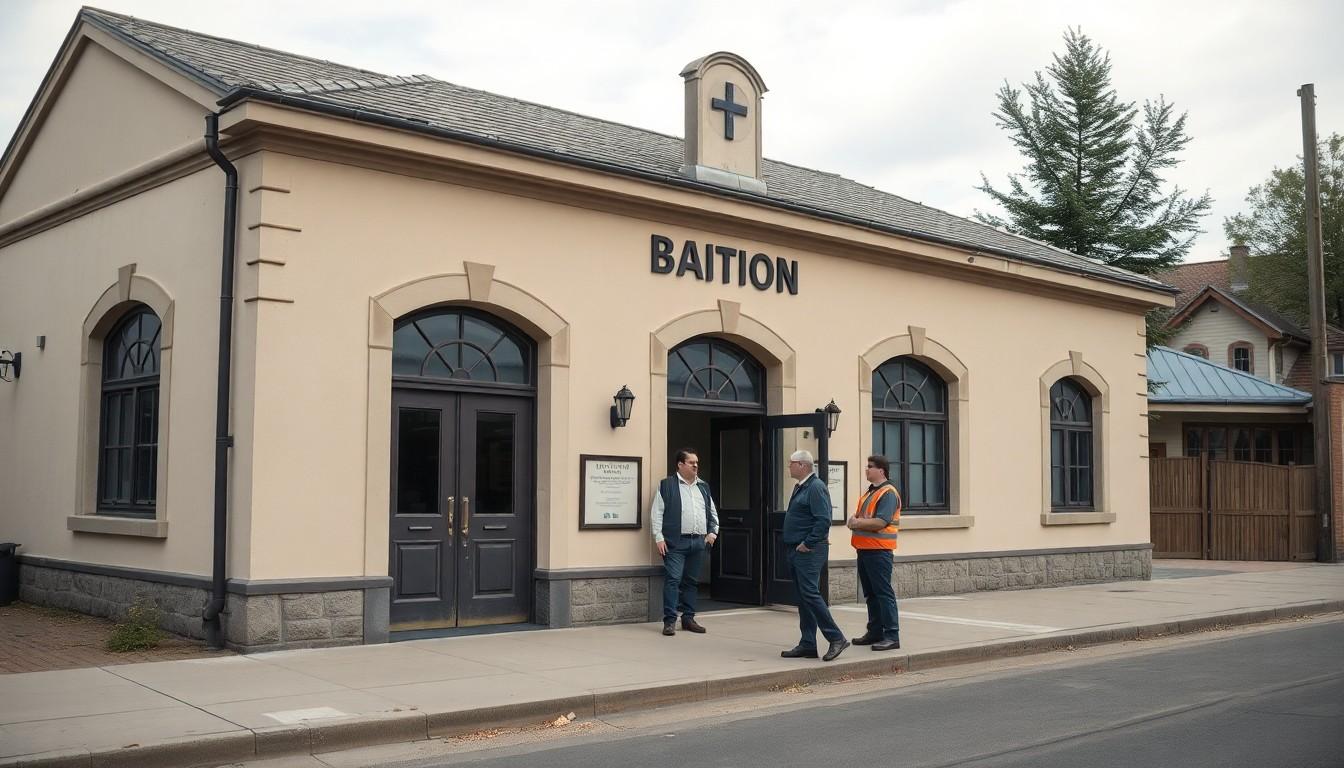
What happened in Val‑David feels almost cinematic: a bright flag, a quaint station, and three attacks in quick succession. According to CityNews, the first incident saw the bottom of the flag cut, the next night parts were cut and burnt, and when the municipality replaced it on 3 August the new flag was ripped down and torn in two. The visuals are stark and a little painful , the kind of small‑town scene that makes national headlines.
The mayor, Jean‑Claude Rocheleau, has framed the flag as a simple but meaningful welcome to Pride week. He’s reported the incidents to the Sûreté du Québec and promised increased surveillance. The town’s Facebook post underlined the gesture’s intent: to make Val‑David open and inclusive. That clarity helps; when a community labels the action, it makes it harder for the attackers to hide behind ambiguity.
What other communities have tried , lessons from elsewhere
This isn’t unique. Reports from other Canadian towns and from LGBTQ+ outlets show similar patterns: a school flag burned in Toronto, vandalised flags in small towns, then swift community reactions. For instance, when vandals tore a Pride flag in another community, activists repurposed the damaged cloth into an artwork that raised funds and conversation, according to coverage in LGBTQ Nation and the Winnipeg Free Press.
There are obvious takeaways. Some places doubled down by replacing flags with more durable materials, holding public remounts with community leaders, or turning the incident into a rally or teachable moment. Those responses change the narrative from victimhood to resilience and help knit the community together.
Practical steps Val‑David and other towns can take today
First, make the symbol harder to steal: use anti‑theft flag mounts, tougher fabrics and higher or better‑protected poles. Second, invest in simple deterrents , visible cameras, motion lights and a regular community patrol , and tell people you’ve done so. Third, lean on events: remount the flag at a public ceremony, invite local groups, and use that moment to educate.
There’s also a softer but effective tactic: document everything online with clear messages that the community won’t be silenced. That invites witnesses, reduces anonymity for perpetrators, and can make hateful commenters feel socially isolated rather than emboldened.
The human cost and the need for solidarity
Incidents like this don’t just damage fabric; they unsettle people. Alain Dorval, who started a local Queers des Laurentides group, told CityNews he’s seen hateful messages and threats before. That pattern matters because online hostility often precedes real‑world acts. When municipalities and residents respond together, it signals protection and belonging , and that psychological effect is as important as cameras.
At the same time, critics note surveillance can feel cold; other responses , public conversations, ally training at schools, and clear municipal policies , show care without turning town centres into fortress zones. It’s a balance, and the best responses mix practical protection with warm, visible solidarity.
Looking ahead: what success will look like
Success here isn’t a zero‑incident guarantee; it’s a community that keeps its symbols up, learns from attacks, and makes inclusion a lived practice. When towns elsewhere have faced similar problems, the stories that stuck were the ones where residents rallied, events went ahead, and the vandalism became a footnote rather than the defining moment.
Val‑David’s mayor has said they’ll keep putting the flag up. That persistence is itself a message: the town intends to be a place where people can be themselves. That kind of small, steady insistence often changes attitudes over time.
It's a small change that can make every flag , and the people behind them , safer and louder.
Source Reference Map
Story idea inspired by: [1]
Sources by paragraph: