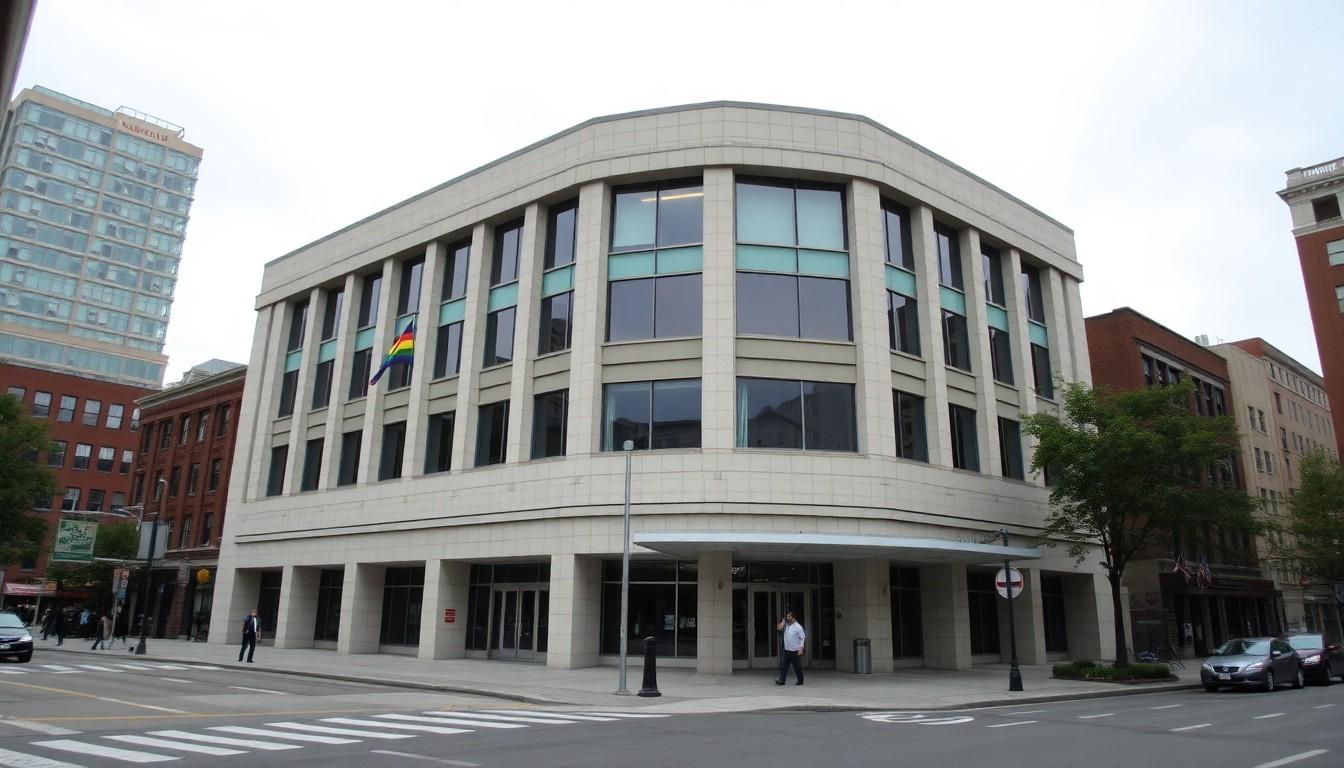
Shoppers, residents and Pride-goers have been speaking up after arrests and rough crowd control in Center City, and Philadelphia City Council is holding a hearing to examine police conduct, planning and what it means for safety at future Pride events. Here’s what’s happening, why it matters, and how attendees can expect change.
Essential Takeaways
- Hearing scheduled: City Councilmember Rue Landau will host a public hearing at City Hall at 10 a.m. to review policing during the June 7 Pride events.
- Arrests and concerns: Fifteen people were arrested during post-festival crowds in the Gayborhood; community members have complained of forceful crowd control.
- Police position: Police say officers stepped in because conditions became hard to manage safely, citing fights, blocked roadways and disorderly behaviour.
- Community response: A mayoral review committee has been formed and locals have rallied for greater oversight and respect for LGBTQ attendees.
- Participation invited: Members of the public can testify at the hearing to share firsthand accounts and help shape next year’s planning.
What actually happened in the Gayborhood , the footage that sparked this
Video shared after the June 7 events showed revelry in the street and officers using bicycles and mounted units to clear crowds, a sight that felt jarring to many who were celebrating. Those images and eyewitness accounts pushed neighbours and lawmakers into the streets and onto social media with questions about proportionality and respect.
According to Reuters and local reporting, Philly Police Commissioner Kevin Bethel defended the response as necessary once crowd conditions worsened and public-safety incidents occurred. Still, the visual of officers pushing bikes into groups and people recording on phones created a strong emotional reaction across the community.
If you were there, your testimony now matters; the City Council hearing is a chance to put those clips and feelings into formal review rather than leave them as viral moments.
Why City Hall stepped in , the politics and oversight angle
City Council member Rue Landau called the hearing to get answers about planning, tactics and oversight, and to hear from attendees, organisers and officials. The mayor has also set up a separate review committee to look into what unfolded, signalling that this isn’t just a media moment but a policy one.
Philadelphia has been sharpening oversight in recent years , including unanimous council support for a civilian police oversight day , so this hearing sits inside a wider push for accountability. That matters for a city that hosts large events like the Pride march and festival, where logistics, closures and public-safety plans are supposed to be coordinated in advance.
Expect questions about who made crowd-clearance decisions, how resources were deployed, and whether there were alternatives to the tactics seen on video.
Police rationale vs community concerns , balancing safety and celebration
Police officials say they responded to fights, blocked roadways and increasing disorder, and deployed mounted units, dirt bikes and MIRT personnel because those units move quickly through congested areas. They also stress that the decision to clear parts of the street was tied to safety, not to people celebrating Pride.
Community leaders and state representatives have countered that crowd-management tactics felt like over-policing, especially toward LGBTQ attendees. That tension , safety claims on one side, dignity and restraint on the other , is central to the hearing’s agenda.
For festival organisers and city planners, the takeaway is clear: transparency about decision-making and clearer communication with attendees can defuse a lot of mistrust.
How this could change future Pride planning , practical outcomes to watch
Hearings like this often lead to concrete steps: clearer protocols for crowd size thresholds, better-trained mounted and bike units for festival contexts, and formal channels for community feedback in advance of events. The city’s public-event notices and closures, which were posted ahead of the festival, will likely be examined for sufficiency and timing.
If you’re an attendee next year, look for more visible signage about permissible areas, faster and clearer announcements if an area needs clearing, and possibly more stewards or community marshals who can act as intermediaries between police and celebrants.
How to take part and what to say if you testify
Members of the LGBTQ community, witnesses, organisers and neighbours are invited to attend and give testimony. If you plan to speak, be specific: note time, place, actions you saw, and any consequences for safety or dignity. Photographs and videos help, so bring timestamps or links if you can.
City officials say they want to understand policing of large events and apply lessons to next year’s march and festival. Your account can shape policy, so give facts first, then personal impact , that combination lands best with policymakers.
It's a small change that can make every Pride celebration safer and more welcoming.
Source Reference Map
Story idea inspired by: [1]
Sources by paragraph: