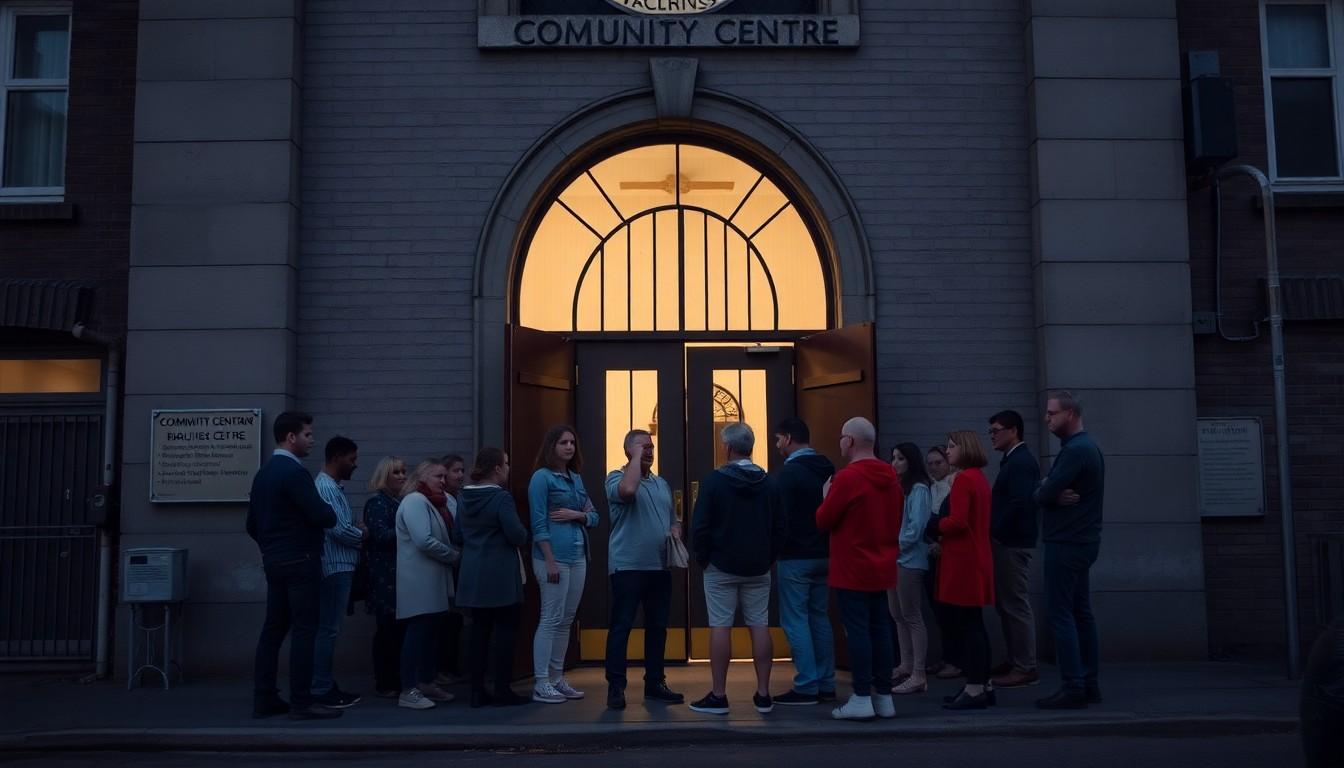
Shoppers and festival-goers are talking about Leviticus, a tense new queer horror that stages fear where you least expect it , inside homes, churches and the private spaces meant to protect. Directors and audiences in the US and at festivals are noticing how the film turns religious repression into a literal monster, and why that matters now.
Essential Takeaways
- Core idea: Leviticus makes queer vulnerability spatial , no place is reliably safe for its protagonists, and that claustrophobic feeling is tactile and unsettling.
- Monster as metaphor: The supernatural antagonist mimics the beloved, turning intimacy into an uncertain, eerie sensation rather than blaming desire itself.
- Social origin of harm: The film links the creature’s existence to a punitive cleansing ritual, arguing that repression creates the terror it claims to remove.
- Survival through solidarity: The narrative insists that shared belief and community are practical defences, not merely feel-good moral points.
- Emotional texture: Expect quiet dread, awkward domestic scenes, and a lingering sense that familiar spaces can feel suddenly hostile.
A horror that haunts the domestic , and feels strangely intimate
Leviticus opens with a simple, effective reversal: the threat isn’t an obvious intruder, it’s the household, the church, the private room you thought you could lock. The film feels quiet and corrosive, with ordinary interiors made tense by the knowledge that being known can be dangerous. According to festival coverage and reviews, the sound design and slow-burning framing make every glance and hallway feel loaded, which keeps you leaning forward rather than jumping.
The backstory is clear: two young men, their secret relationship, and a religious environment that insists desire must be disciplined. Critics have noted how the film uses mundane gestures , a touch, a prayer, a family meal , to stage dread so that even tenderness looks risky. If you’ve watched other contemporary queer horror, this one lands by making domestic normality itself uncanny.
Why the monster is not about queerness, but about attempts to erase it
Rather than coding queerness as monstrous, Leviticus locates the horror’s origin in the community’s attempt to excise the boys’ desire. The cleansing ritual is the pivotal act: intended as a cure, it instead manufactures the film’s supernatural threat. That twist reframes the usual horror shorthand and pushes the moral blame outward.
Journalistic pieces and festival write-ups argue that this choice is politically sharp. The film echoes real-world harms of conversion practices by showing how interventions meant to “fix” people actually implant shame and violence. It’s a grim but powerful reminder that the social context of horror often matters more than jump scares.
Intimacy weaponised , but also the seed of resistance
One of the film’s crueller devices is to have the entity assume the face of the beloved, so trust becomes dangerous. That premise creates a chilling question: how do you love someone when the image of love can mask harm? The film answers by insisting that isolation is the real victory for the hostile system. When the boys learn to expand their circle and trust witnesses, trust becomes an act of resistance.
Reviews suggest the film deliberately flips the moral logic of transmission-based horror like It Follows. Where that film treated intimacy as a vector, Leviticus treats intimacy as the thing under attack. The antidote here is not secrecy or passing danger on to someone else, but believing one another and building shared knowledge.
The film as social critique , roots in law, religion and household politics
Leviticus borrows its title and some of its texture from religious language about purity and boundaries, which gives the movie a slowly suffocating ethical frame. The narrative ties spatial control to moral control: belonging is conditional and comes only if desire is erased or hidden. Commentators have connected this to broader research on family rejection, conversion practices, and minority stress to argue the film’s violence mirrors real social harms.
That sociological angle makes the film useful as more than genre entertainment. It invites conversations about how homes, churches and schools can be sites of surveillance and coercion , and why policy and community support matter for tangible safety.
How to watch, and what to take away
Watch Leviticus slowly, and expect tension that grows out of recognition rather than spectacle. If you’re screening it with friends, the movie rewards discussion afterwards: talk about the role of witnesses, how shame shapes perception, and whether the film’s insistence on solidarity feels hopeful or precarious.
Practically, the film reinforces a simple rule: visibility without community can be risky, but secrecy without solidarity is isolating. For audiences and allies, that suggests the most effective response is the least dramatic , listen, believe, and create networks that share memory and responsibility.
It's a small change that can make every refuge stronger.
Source Reference Map
Story idea inspired by: [1]
Sources by paragraph: