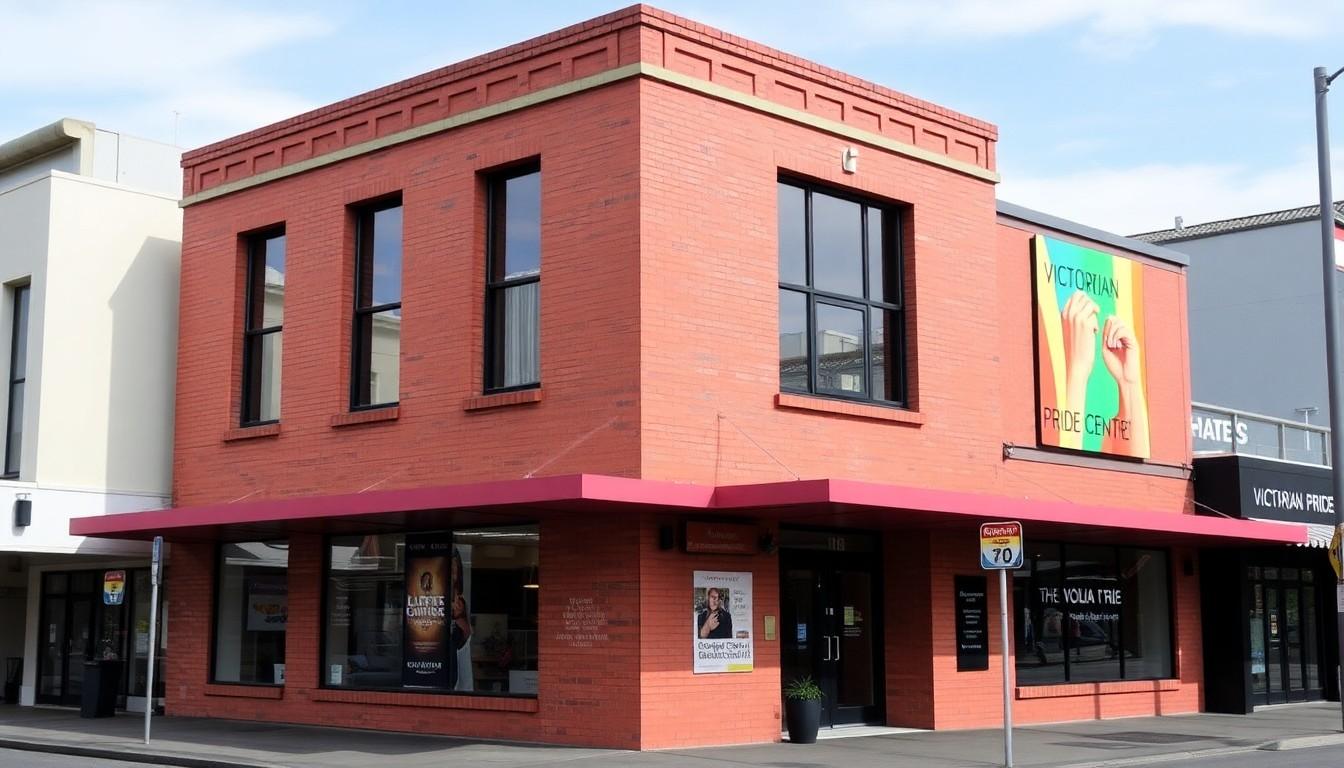
Shoppers and locals alike have watched the Victorian Pride Centre anchor Fitzroy Street over the last five years, offering a visible, versatile home for LGBTQIA+ health, art, advocacy and celebration , and proving why purpose-built queer spaces still matter in today’s Australia.
Essential Takeaways
- First-of-its-kind: The centre is Australia’s first purpose-built hub for LGBTQIA+ organisations, opened in 2021 and immediately reshaped Fitzroy Street’s streetscape.
- Multi-use spaces: It houses health services, advocacy groups, media, a gallery, theatre, rooftop and event rooms , useful for memorials, meetings, drag shows and community drop-ins.
- Security upgrades: After incidents of abuse and break-ins, it secured a $1 million federal boost to strengthen safety and reassure staff and visitors.
- Community-built: The idea began almost a decade ago and was driven by grassroots leaders determined to swap borrowed rooms for a permanent home.
- Growing future: Leaders describe the Centre as still evolving , a living space that adapts to community needs and preserves queer history.
Why five years feels both long and just the start
Walk past the building and you can’t miss it; the architecture is a quiet, proud announcement that queer people belong here. That visual presence is part of the emotional impact , people say it feels like home. The project was born from a simple, stubborn conviction: that scattered meeting rooms weren’t enough, and a central, permanent place would let organisations work together and grow cultural memory.
There were plenty of hard moments along the way. According to those who steered the build, the journey took nearly a decade of planning and fundraising, with boardrooms full of thorny issues , asbestos, rock in foundations, and the real fear of the whole thing stalling. Yet the centre opened in 2021 and quickly became more than a building; it became a hub where thousands come for support, art and solidarity.
What’s inside , and why the mix matters
The Centre brings together health services, advocacy groups, queer media and community organisations under one roof, which makes practical sense and builds daily solidarity. A gallery and theatre host performances and exhibitions; rooftop and event spaces serve everything from formal conferences to drag nights. That diversity of use is part of its strength , it’s quiet and practical one hour, celebratory and loud the next.
For community members, that mix means you can access care, find advocacy help, attend a cultural event and meet friends without leaving the same building. If you’re choosing which services to use, check opening hours, room accessibility and whether booking is needed , many groups share space on a roster.
Security: why safety funding was necessary
The Centre’s visibility has also made it a target, and this year it received a $1 million federal commitment to upgrade security after break-ins and abusive incidents. That investment was framed as essential rather than optional , the Centre’s leaders argued it was about protecting staff, volunteers and community members who rely on the space.
The funding signals a broader point: safe queer spaces need infrastructure. Upgrades include improved access control and surveillance in public areas, balancing safety with openness is a constant conversation; the aim is to keep the building welcoming while deterring harassment.
How the Centre was built by and for community
Founders and long-term volunteers like Jude Munroe and Georgie Harman often describe the Centre as a collective achievement , born from meetings in borrowed rooms and decades of advocacy. Fundraising, a founders’ fund and partnership with government and donors turned the idea into a physical home that also preserves queer history and archives.
That community genesis still shapes how the Centre operates. Board members and staff regularly consult tenant organisations, and fundraising continues to support programming and maintenance. If you want to support, look for membership schemes, donations to the founders’ fund, or volunteering opportunities that keep the place humming.
Looking ahead: growth, resilience and everyday belonging
Leaders are candid that five years is a milestone, not a finish line. With rising hostility toward queer people in parts of public life, the next five years will be about consolidation: growing services, maintaining security, and ensuring the Centre remains a creative, welcoming hub. Local MPs and community figures have spoken publicly about pride in the Centre, underscoring its civic as well as cultural value.
The Centre’s future will likely mean more partnerships, expanded health and cultural programming, and continued efforts to embed queer history in the space. For anyone who’s used it, the message is clear , this isn’t just bricks and mortar, it’s a promise that queer people have a place to be seen and valued.
It's a small change in the city skyline that makes a big difference for the people who walk through its doors.
Source Reference Map
Story idea inspired by: [1]
Sources by paragraph: