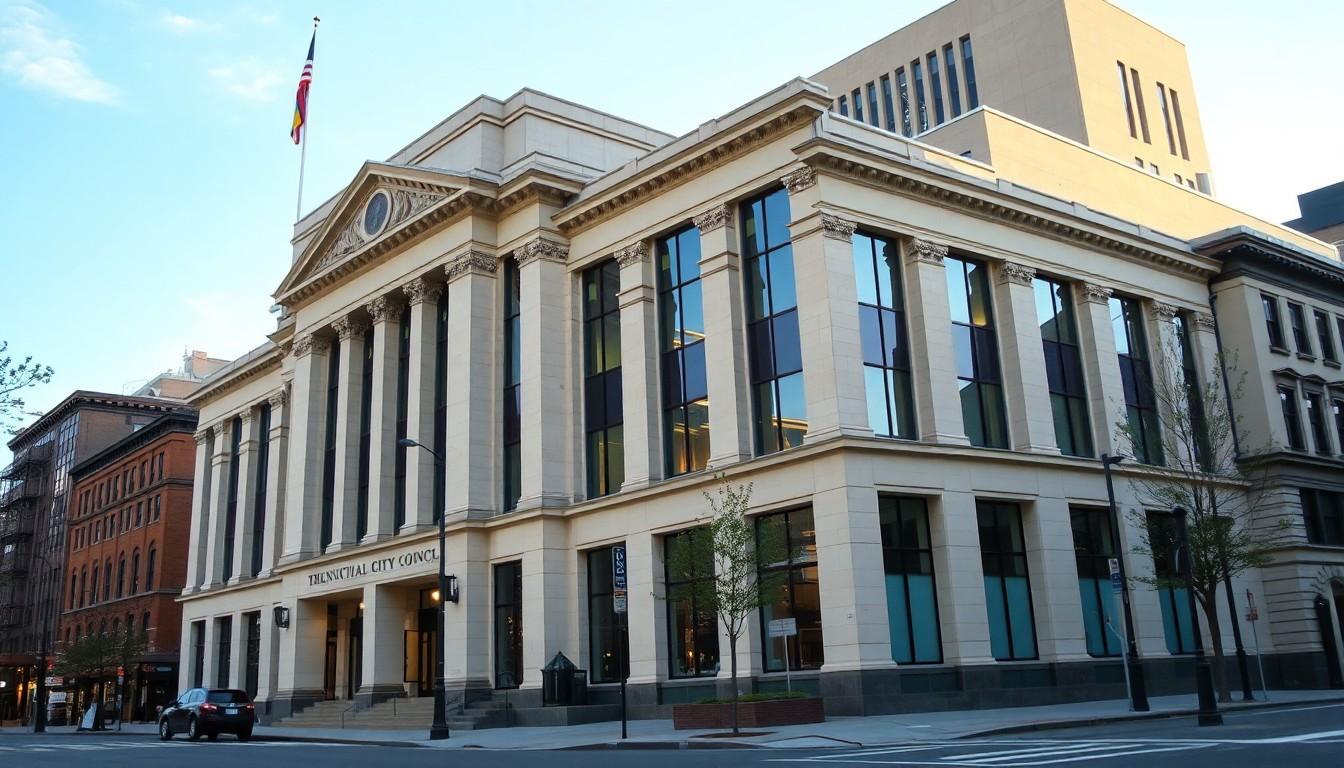
Shoppers, residents and Pride-goers are still talking after a tense City Council hearing in Philadelphia about police actions during this summer’s Pride events , who was involved, why people felt unsafe, and what officials now say they’ll change before Pride 2027.
Essential Takeaways
- What happened: More than a dozen arrests followed clashes when the official parade moved from the Parkway to informal Gayborhood gatherings; several encounters turned physical and some officers wore non-standard masks.
- Community impact: LGBTQ+ attendees testified they felt targeted and unsafe, calling for apologies, oversight and discipline.
- Police response: Commissioner Kevin Bethel acknowledged mistakes, pledged policy change around taser use and promised training on Pride history for officers assigned to events.
- Next steps: City Council held the hearing to investigate; officials are considering staging two separate events in 2027 , one on the Parkway and one in the Gayborhood.
- Emotional tone: The hearing mixed frustration and resolve; advocates emphasised constitutional rights to assemble, speak and express identity.
A heated hearing that put safety and trust on the table
Philadelphia City Council convened a hearing that felt equal parts review and reckoning, with community members describing a day that left them shaken and angry. According to local reporting, testimony painted a vivid picture: what began as a celebratory parade along the Benjamin Franklin Parkway spilled into the Gayborhood, and tensions rose as crowds dispersed. People described officers arriving in ways that felt intimidating , motorcycles close to pavements, mounted units, and mask-wearing that didn’t match uniform standards , leaving many to say they did not feel protected.
How the clash unfolded and why it mattered
The trouble centred on the transition from the organised procession to informal street celebrations. Reporters and witnesses documented a series of confrontations that resulted in more than a dozen arrests; some interactions turned physical and officers used crowd-control tactics that organisers and advocates criticised. The scene mattered because Pride is not just a parade; for many, it’s a public expression of safety and belonging. When that’s interrupted, trust frays quickly.
Officials admit mistakes and promise concrete changes
Police Commissioner Kevin Bethel publicly acknowledged that some tactics were harmful and said he’ll change policy , particularly around taser “arcing” and other crowd-control methods. He also announced plans for officers to receive training on the history of Pride and the specific concerns of LGBTQ+ communities. Mayor Cherelle L. Parker released a statement calling the hearing an opportunity to reaffirm that every Philadelphian deserves to feel safe, while expressing support for council oversight.
Community demands: apology, accountability, and better planning
Advocates at the hearing made clear this wasn’t an isolated complaint about one afternoon; they framed it as part of broader policing issues that affect LGBTQ+ residents year-round. Leaders, including representatives from civil liberties groups, urged formal apologies, increased oversight and appropriate disciplinary steps. They also reminded officials that First Amendment rights , speech, expression and assembly , are at stake when celebrations become confrontations.
Looking ahead: dual events and a cautious optimism
As organizers and the city plan for Pride 2027, Commissioner Bethel floated the idea of staging two separate events to reduce friction: one on the Parkway, another in the Gayborhood. That suggestion aims to preserve both the large, parade-style celebration and the neighbourhood’s more intimate feel, but community members stressed any change must come with clear rules, training and accountability. It’s a sensible starting point, though many will judge progress by actions, not promises.
It's a small change that can make every Pride celebration safer and more welcoming.
Source Reference Map
Story idea inspired by: [1]
Sources by paragraph: